Miele vs Dyson (2026): Bagged Canister vs Cordless Stick
Miele vs Dyson vacuum cleaners compared: 15-year bagged canister longevity vs 5-year cordless stick agility, sealed HEPA filtration, and suction physics.
Top Picks at a Glance
- Winner for Cordless Agility #1 Top Pick
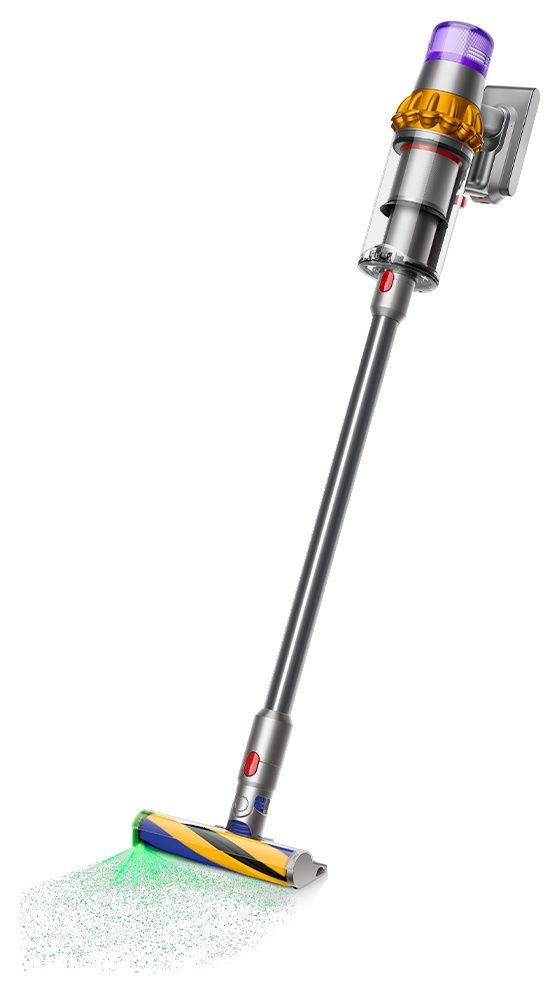 Dyson
DysonDyson V15 Detect
Best for: Instant grab-and-go convenience, laser dust reveal, and automatic surface sensing
240 AW Dust sensor - Winner for German Engineering
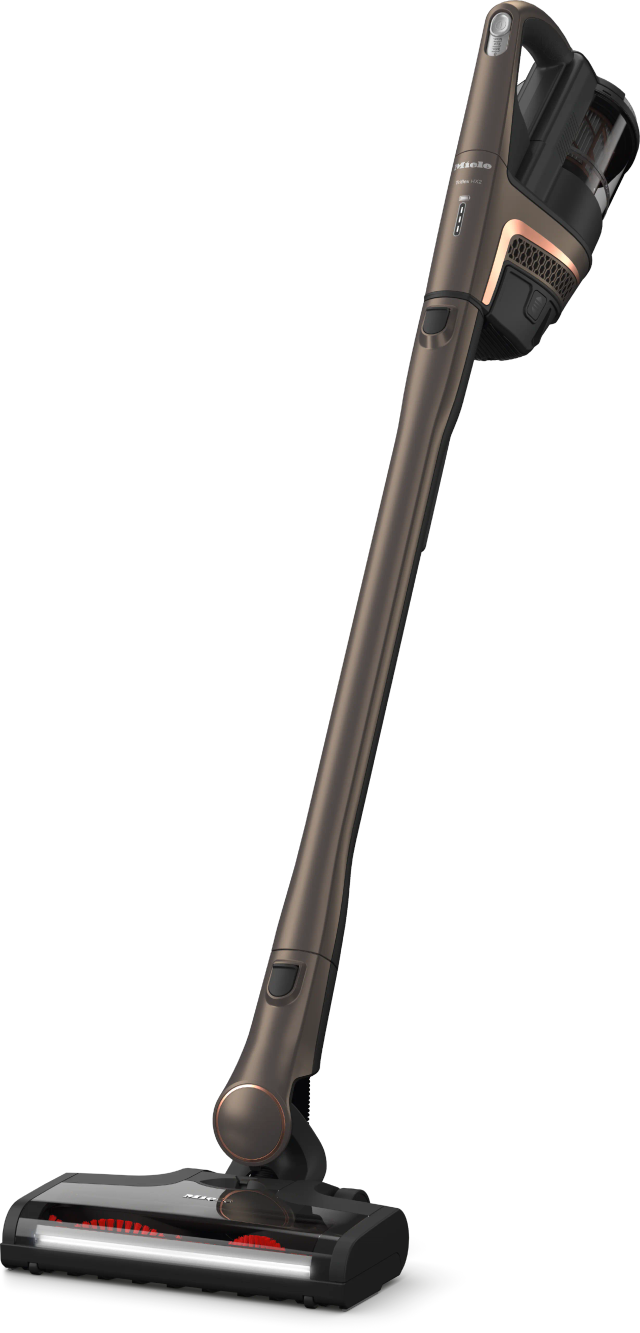 Miele
MieleMiele Triflex HX2 Pro
Best for: Hospital-grade HEPA AirClean system and dual swappable batteries for 120 minutes
Suction Manual - Top High-Power Alternative
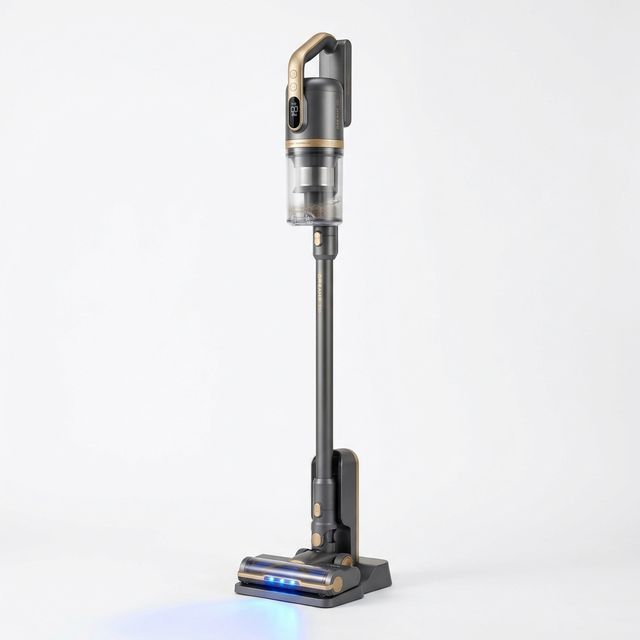 Dreame
Dreame Z30
Best for: 310 AW ultra-high suction that rivals corded canister airflow on thick carpets
28,000 Pa Dust sensor Auto Dock
Prices and specs last synced September 12, 2026.
Jump to Section (5)
Quick Answer (AI Overview): In the battle of Miele vs. Dyson, the choice comes down to 15-year durability and hospital-grade bagged filtration (Miele) versus instant, lightweight grab-and-go convenience (Dyson). Buy a Miele if you want a lifetime appliance that never loses suction, traps 100% of dander in self-sealing bags, and deep-cleans thick carpets effortlessly. Buy a Dyson (such as the Dyson V15 Detect) if you hate dragging a canister cord behind you and want daily cleaning agility with laser dust illumination.
Miele and Dyson represent the two most respected names in premium floorcare, yet they sit at opposite ends of the engineering spectrum:
- Miele: Founded in 1899 in Gütersloh, Germany. Celebrated for indestructible build quality, vortex suction motors, thick sound insulation, and hospital-grade sealed bags.
- Dyson: Founded by Sir James Dyson in the UK. Celebrated for bagless cyclonic separation, digital brushless motors, laser particle illumination, and cordless portability.
Below is our direct head-to-head comparison of Miele vs. Dyson, breaking down longevity, filtration, suction physics, and total cost of ownership.
Dyson V15 Detect
Best for: Instant grab-and-go convenience, laser dust reveal, and automatic surface sensing
240 AW, a laser that reveals dust and a piezo sensor that counts it — still the benchmark cordless.
- Rated suction
- 240 AW
- Runtime
- 60 min
- Noise
- 78 dB
- Weight
- 3.1 kg
Best for
- Green laser makes invisible dust obvious on hard floors
- Auto-adjusts power based on particle count
- Anti-tangle hair screw tool for pet hair
Not ideal if
- Heavy at the wrist for stair work
- Runtime drops to ~8 min in Boost mode, per Consumer Reports measurement
Miele Triflex HX2 Pro
Best for: Hospital-grade HEPA AirClean system and dual swappable batteries for 120 minutes
Three-in-one configuration, two swappable batteries and a lifetime HEPA filter for allergy homes.
- Rated suction
- Not published
- Runtime
- 120 min
- Noise
- 76 dB
- Weight
- 3.7 kg
Best for
- Two batteries = 120 minutes total
- Power unit moves to the floor for upright-style comfort
- Sealed HEPA system, premium build materials
Not ideal if
- No dust sensing or auto mode
- Expensive for the feature set
Dreame Z30 Cordless Stick Vacuum
Best for: 310 AW ultra-high suction that rivals corded canister airflow on thick carpets
310 AW ultra-high suction motor, 90-minute runtime, 140° blue optical dust detection, and HEPA H14 filtration.
- Rated suction
- 28,000 Pa
- Runtime
- 90 min
- Noise
- 74 dB
- Weight
- 2.2 kg
Best for
- You want raw cordless stick suction that outpowers traditional high-end stick vacuums
- You have allergy sufferers at home and require true H14 HEPA exhaust filtration
Not ideal if
- You require an automated self-emptying charging dock stand
Miele vs. Dyson: Direct Specification Breakdown
| CRITERIA | MIELE (e.g. Complete C3) | DYSON (e.g. V15 Detect) |
|---|---|---|
| Form Factor | Bagged Wheeled Canister | Cordless Bagless Stick |
| Power Source | 1,200W AC Wall Cord | Click-in Lithium Battery |
| Continuous Runtime | Unlimited (Plugged In) | 40–60 Minutes (Eco) |
| Average Lifespan | 15 to 20 Years | 4 to 6 Years (Cell Wear) |
| Dust Containment | Self-Sealing AirClean Bag | Bagless Ejector Canister |
| Allergen Release on Empty | ZERO (Seals Shut on Pull) | Low to Medium (Dust Puff) |
| Emptying Frequency | Every 2 to 3 Months | After Every 1–2 Runs |
| Machine Weight in Hand | ~2.5 lbs (Hose Wand Only) | ~6.8 lbs (Entire Motor) |
| Ready-to-Use Speed | Slow (Unfurl cord & plug) | Instant (Lift off dock) |
1. Lifespan and Build Quality: The 15-Year German Guarantee
The most significant differentiator is longevity:
- Miele: Built with thick ABS plastics and tested to endure 1,000 operating hours. It is common for households to use the same Miele canister for 15 to 20 years with only routine bag and filter changes.
- Dyson: Cordless stick vacuums are high-stress consumer electronics. Lithium-ion batteries naturally lose 20–30% of capacity after 500 charge cycles, and thin plastic wands and bin latches are prone to cracking if dropped. Expect to replace the battery every 2 to 3 years.
2. Filtration & Dust Mites: Sealed Bags vs. Bagless Cyclones
- Miele’s 12-Stage AirClean System: Miele uses 9-ply electrostatically charged fleece bags. Dust is packed so tightly that a single bag lasts an average home 8 to 12 weeks. When you open the canister door, an integrated spring collar snaps shut, guaranteeing zero dust clouds.
- Dyson’s Whole-Machine HEPA: Dyson’s multi-cyclone system separates fine dust with impressive efficiency, but bagless dustbins must be emptied frequently. Dumping dry dander into a trash bin almost always releases microscopic particles into your immediate breathing zone.
3. Daily Convenience & User Friction
Despite Miele’s technical superiority in longevity and filtration, Dyson wins on daily human behavior:
- If you spill cereal in the kitchen, dragging a 16-pound canister out of the closet, plugging it into a socket, and untangling the hose feels like a chore.
- With a cordless stick like the Dyson V15 Detect, you pull it off the wall mount, sweep the mess in 15 seconds, and click it back into place. For 90% of modern families, the vacuum that is easiest to use is the vacuum that keeps the home cleanest.
The Final Verdict
- Buy Miele if: You want a heavy-duty, lifetime vacuum cleaner that never runs out of battery, excels on deep wall-to-wall carpeting, and offers the absolute safest filtration for severe allergy and asthma sufferers.
- Buy Dyson if: You live in a modern multi-level home, hate cords, have mixed hardwood and low-pile rugs, and prioritize lightweight grab-and-go speed with green laser dust detection.
Frequently Asked Questions
Which brand lasts longer: Miele or Dyson?
Miele vacuums last significantly longer. Traditional Miele bagged canister vacuums are factory-tested in Germany to last 15 to 20 years (representing roughly 1,000 hours of continuous operation). In contrast, cordless stick vacuums like Dyson typically last 4 to 6 years, primarily limited by lithium battery degradation (requiring battery replacements every 2 to 3 years) and plastic latch wear.
Is Miele or Dyson better for allergies?
Miele is widely considered the superior choice for severe allergy and asthma sufferers. Miele's AirClean 3D synthetic dust bags trap 99.9% of dust and automatically seal when opened, preventing allergen exposure. While Dyson features whole-machine sealed HEPA filtration, emptying a bagless Dyson dustbin can release a plume of fine dust unless emptied outdoors.
Does a corded Miele have more suction than a cordless Dyson?
Yes, in sustained airflow (CFM). While high-end cordless vacuums like the Dyson V15 and Dreame Z30 generate impressive peak suction in short Turbo bursts, a corded Miele canister pulls an immense 130+ CFM of continuous, unthrottled airflow without battery timeout constraints or thermal throttling.
Is a Miele canister difficult to maneuver compared to a Dyson stick?
Yes. A Dyson cordless stick weighs under 7 pounds, sits on a wall charging dock, and is ready for immediate 30-second kitchen cleanups. A Miele canister requires finding an outlet, pulling out the power cord, and pulling the 15-to-18-pound wheeled canister behind you across thresholds.
Related In-Depth Articles & Analysis
Related Buying Guides

If you buy through a link on this page, we may earn an affiliate commission at no extra cost to you. How we’re funded →