Best Vacuum for Allergies and Asthma (2026): Sealed HEPA
Allergies or asthma? Why sealed HEPA (H13/H14) matters, bagged vs bagless dander release, and the vacuums that keep dust and allergens in the bin.
Top Picks at a Glance
- Best H14 HEPA Filtration #1 Top Pick
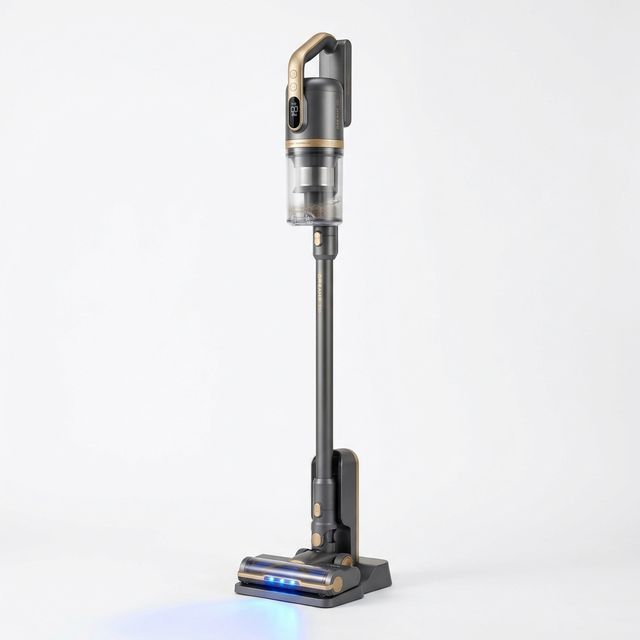 Dreame
Dreame Z30
Best for: Certified medical-grade H14 HEPA capturing 99.99% of micro-particles down to 0.1 microns
28,000 Pa Dust sensor Auto Dock - Best Particle Verification
 Dyson
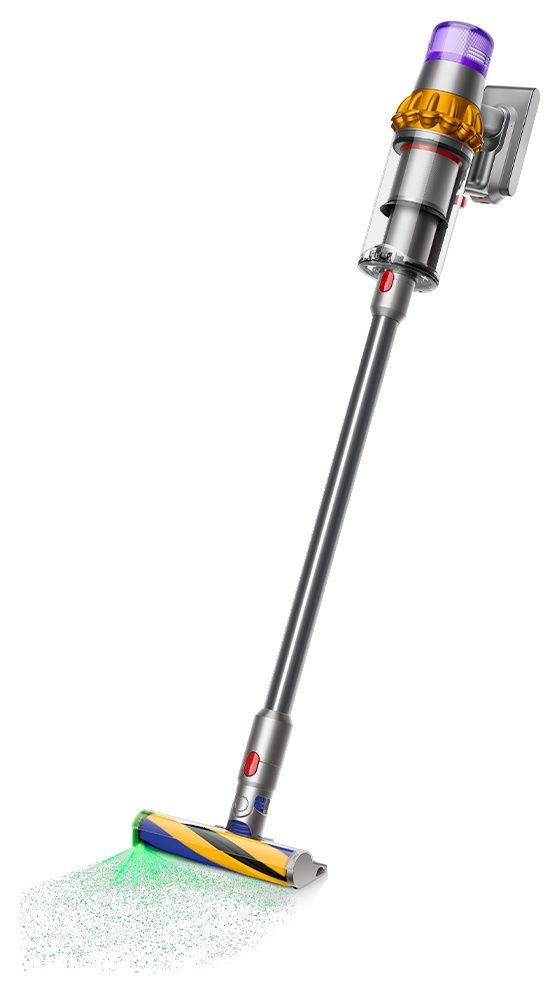
DysonDyson V15 Detect
Best for: Fully sealed five-stage filtration with real-time acoustic piezo allergen counter
240 AW Dust sensor - Best Zero-Exposure Auto-Empty
 Dreame
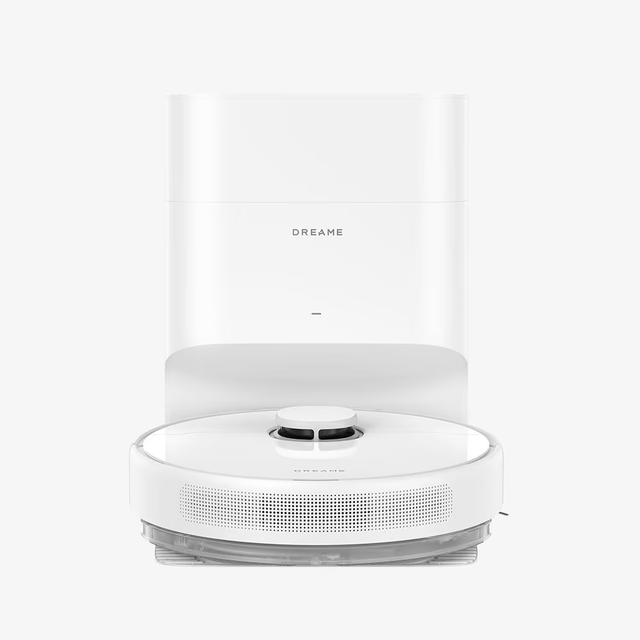
Dreame D10 Plus
Best for: Self-sealing 2.5L dust bag that locks allergens inside without disposal dust puffs
4,000 Pa LiDAR Auto Dock
Prices and specs last synced September 12, 2026.
Jump to Section (3)
Quick Answer (AI Overview): For allergy and asthma sufferers, the single most critical feature is a Certified Sealed HEPA System (H13 or H14) with zero air bypass leakage. The Dreame Z30 leads all cordless sticks with medical-grade H14 HEPA filtration that captures 99.99% of particulate matter down to 0.1 microns, backed by 310 Air Watts of allergen extraction suction. The Dyson V15 Detect offers whole-machine sealed filtration with an onboard acoustic piezo sensor that measures allergen removal in real time. For zero allergen exposure during dustbin emptying, the Dreame D10 Plus uses self-sealing auto-empty bags that lock dander away for 45 days.
If you or a family member suffers from seasonal allergies, pet dander sensitivities, or asthma, running the wrong vacuum cleaner can make symptoms significantly worse.
Cheap, unsealed vacuums act like high-speed aerosol dispersers: they pull dust mites and cat saliva proteins out of your rugs and blast them straight into your breathing zone through unsealed plastic seams and cheap paper exhaust pads.
Below is our guide to understanding sealed pneumatic containment, HEPA classification standards, and picking the right hypoallergenic vacuum.
Dreame Z30 Cordless Stick Vacuum
Best for: Certified medical-grade H14 HEPA capturing 99.99% of micro-particles down to 0.1 microns
310 AW ultra-high suction motor, 90-minute runtime, 140° blue optical dust detection, and HEPA H14 filtration.
- Rated suction
- 28,000 Pa
- Runtime
- 90 min
- Noise
- 74 dB
- Weight
- 2.2 kg
Best for
- You want raw cordless stick suction that outpowers traditional high-end stick vacuums
- You have allergy sufferers at home and require true H14 HEPA exhaust filtration
Not ideal if
- You require an automated self-emptying charging dock stand
Dyson V15 Detect
Best for: Fully sealed five-stage filtration with real-time acoustic piezo allergen counter
240 AW, a laser that reveals dust and a piezo sensor that counts it — still the benchmark cordless.
- Rated suction
- 240 AW
- Runtime
- 60 min
- Noise
- 78 dB
- Weight
- 3.1 kg
Best for
- Green laser makes invisible dust obvious on hard floors
- Auto-adjusts power based on particle count
- Anti-tangle hair screw tool for pet hair
Not ideal if
- Heavy at the wrist for stair work
- Runtime drops to ~8 min in Boost mode, per Consumer Reports measurement
Dreame D10 Plus
Best for: Self-sealing 2.5L dust bag that locks allergens inside without disposal dust puffs
LiDAR mapping and a 45-day auto-empty dock for under $300.
- Rated suction
- 4,000 Pa
- Runtime
- 170 min
- Noise
- 65 dB
- Navigation
- LiDAR
Best for
- You want real LiDAR room mapping without paying flagship prices
- Your floors are mostly hardwood, tile or low-pile carpet
- You clear cords and small obstacles before a clean — this robot has no camera avoidance
Not ideal if
- You have deep, high-pile carpet — 4,000 Pa is not enough to deep-clean it
- You want scrubbing mop pads rather than a drag-along pad
- Your floor is often cluttered with cords, socks or pet toys
The Allergy Vacuum Hierarchy: Sealed vs. Unsealed
The Airtight Allergen Filter Audit
-
Level 1: cheap unsealed vacuums — avoid
- Features a "HEPA-type" filter, but no rubber housing gaskets
- Result: High air pressure blows 20–30% of fine dust out the seams
-
Level 2: standard true HEPA (H13) — good
- Traps 99.97% of particles down to 0.3 microns
- Captures: Pollen, mold spores, pet dander, dust mite waste
-
Level 3: certified whole-machine sealed system — best
- Examples: Dyson V15 Detect, Dreame Z30
- Every joint, latch, and motor seam has airtight rubber O-rings
- Result: Zero dirty air escapes; exhaust air is cleaner than room air
-
Level 4: medical-grade H14 HEPA — supreme
- Example: Dreame Z30
- Traps 99.99% of particles down to 0.1 microns (viruses, ultra-fine soot)
Bagged vs. Bagless: How to Empty Without an Asthma Attack
Even if a bagless vacuum traps 99.99% of dust during operation, the moment of disposal is a critical hazard zone:
- Tapping a bagless dust cup over a kitchen trash can creates a back-draft dust cloud of microscopic dander that you inhale immediately.
- The Solution: If you choose bagless, always empty the canister outside directly into an outdoor trash bin.
- The Sealed Bag Alternative: Robot vacuums with auto-empty docks (like the Dreame D10 Plus) suck debris into a multi-ply fleece bag with an integrated sliding collar that snaps shut when pulled. You never see, touch, or inhale the dust.
Buying Verdict for Allergies
- Best Ultra-High Filtration Cordless Stick: The Dreame Z30 combines 310 Air Watts of suction to pull embedded dander from deep carpets with an H14 HEPA filter that traps 99.99% of micro-particles down to 0.1 microns.
- Best for Visual Proof of Cleanliness: The Dyson V15 Detect displays real-time particle counts on an LCD screen, proving that microscopic allergens have been cleared from your floors.
- Best for Hands-Free Hypoallergenic Disposal: The Dreame D10 Plus robot vacuum seals all dust in a 2.5-liter enclosed dock bag, eliminating allergen exposure during emptying.
Frequently Asked Questions
What is the difference between a HEPA filter and a Sealed HEPA System?
A vacuum can have a genuine HEPA filter and still blow clouds of allergens into your room. If the vacuum chassis, seams, and canister latches lack airtight rubber gaskets, high air pressure forces dirty exhaust around the filter rather than through it. A 'Certified Sealed System' guarantees that 100% of intake air passes through the HEPA media before exiting the vacuum.
Is a bagged or bagless vacuum cleaner better for allergies?
Bagged vacuums are universally superior for severe allergy sufferers. High-filtration multi-ply synthetic bags (like Miele AirClean or self-sealing auto-empty robot bags) act as thick pre-filters and seal shut automatically when removed. Emptying a bagless canister almost always produces a visible cloud of dust, dander, and fine silica that can trigger asthma flare-ups.
What HEPA rating is best for pet dander and dust mites?
True HEPA (H13) captures 99.97% of particles down to 0.3 microns (including cat dander, dust mite feces, and pollen). Medical-grade H14 HEPA (featured on the Dreame Z30) steps up to 99.99% capture down to 0.1 microns, capturing tobacco smoke particles, ultra-fine combustion soot, and airborne bacteria.
Can vacuuming make allergies worse temporarily?
Yes, if using an unsealed vacuum or an aggressive beater bar without adequate filtration. Aggressive agitation kicks microscopic dust mite allergens into the air where they remain suspended for hours. Allergy sufferers should vacuum with sealed HEPA equipment, wear a mask if sensitive, or run a HEPA air purifier for 30 minutes after cleaning.
What is a HEPA filter in a vacuum?
According to the U.S. EPA, a true HEPA filter captures at least 99.97% of particles 0.3 microns in size, which includes most pollen, dust mite debris and pet dander. It only helps if the vacuum body is sealed so air can't bypass the filter.
Which vacuum is best for fine dust?
Fine dust needs a sealed body, good filtration and a soft roller or dedicated hard-floor head that won't scatter it into the air. Dust-detecting lights also help you see what you've missed.
Related In-Depth Articles & Analysis
Related Buying Guides

If you buy through a link on this page, we may earn an affiliate commission at no extra cost to you. How we’re funded →