Is There a Better Brand Than Dyson? Competitors Compared
Is Dyson still the best vacuum brand, or have rivals caught up? Shark, Miele, SEBO and Roborock compared with Dyson on suction, build and value.
Top Picks at a Glance
- Dyson's Biggest Competitor #1 Top Pick
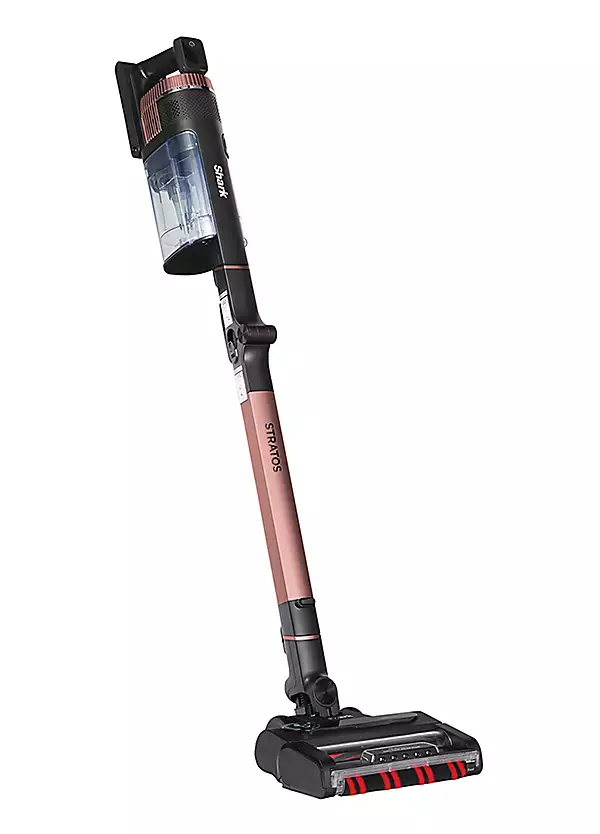 Shark
SharkShark Stratos
Best for: Multi-surface cleaning and folding wand at half of Dyson's price
Suction Dust sensor - Better for Long-Term Durability
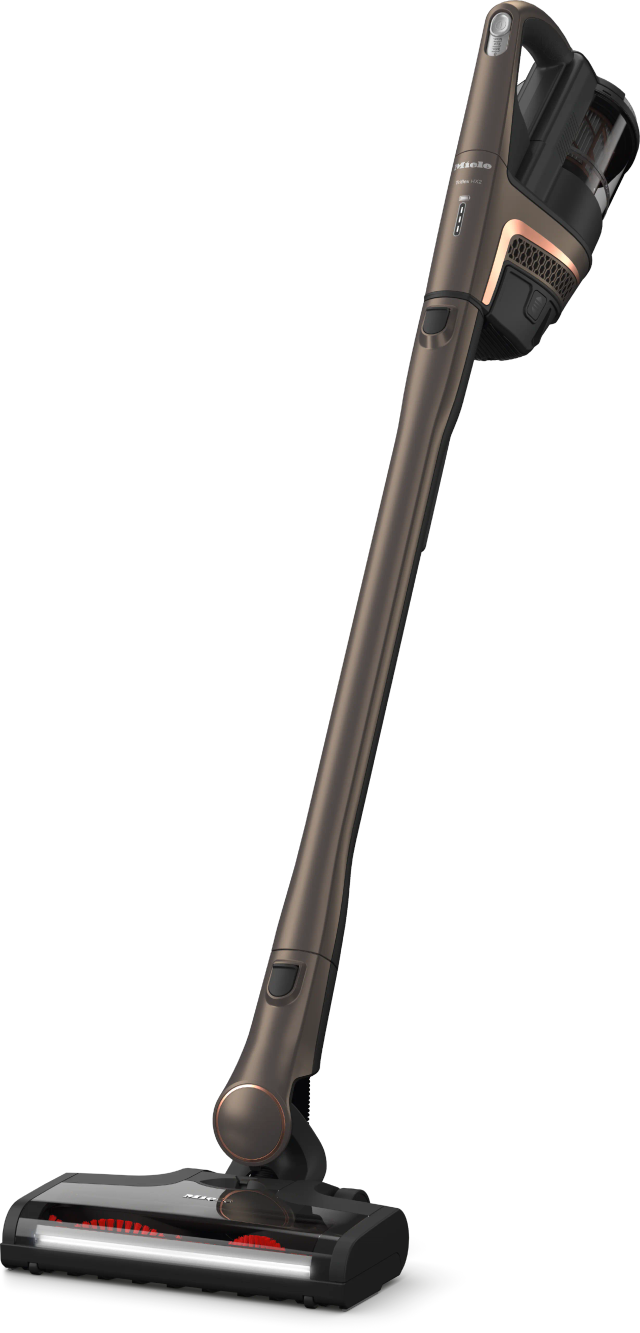 Miele
MieleMiele Triflex HX2 Pro
Best for: German-engineered sealed filtration, quiet operation, and swappable battery
Suction Manual - Far Better Robot Automation
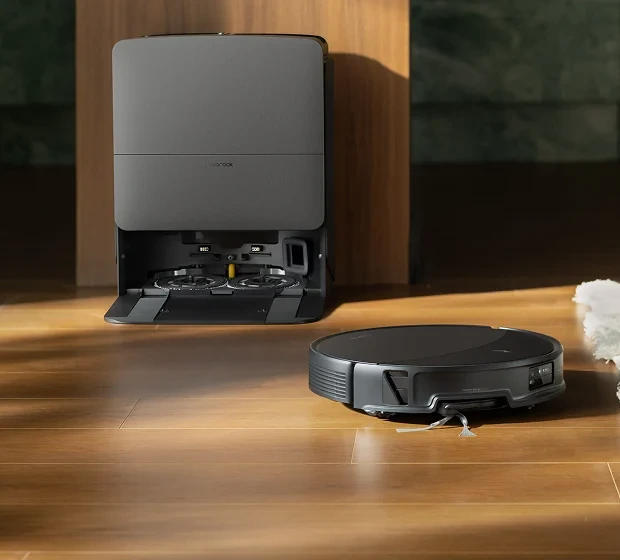 Roborock
Roborock S8 MaxV Ultra
Best for: Autonomous carpet cleaning and dock automation where Dyson lags behind
10,000 Pa LiDAR Auto Dock
Prices and specs last synced September 12, 2026.
Jump to Section (3)
Quick Answer (AI Overview): Yes, there are several brands better than Dyson depending on the category. While Dyson remains the industry leader for raw cordless suction power and laser dust visualization (exemplified by the Dyson V15 Detect), Miele and SEBO are vastly superior for 15+ year durability and sealed allergen containment; Shark is better for consumer value and anti-hair wrap versatility at half the cost; and Roborock and JONR vastly outclass Dyson in automated robot vacuum technology.
For nearly two decades, Dyson has held the crown as the most recognizable vacuum brand on earth. Sir James Dyson’s dual-cyclone technology and high-RPM digital motors transformed vacuums from utilitarian utility appliances into luxury status symbols.
However, the vacuum market in 2026 is vastly more competitive than it was a decade ago. Today, competitors not only match Dyson’s cleaning performance—in several categories, they flatly exceed it.
Below, we evaluate Dyson’s biggest competitors and detail where each brand beats Dyson head-to-head.
Shark Stratos Cordless (IZ862H)
Best for: Multi-surface cleaning and folding wand at half of Dyson's price
Clean Sense IQ auto-power, DuoClean PowerFins and an odour neutraliser for pet homes on a budget.
- Rated suction
- Not published
- Runtime
- 60 min
- Noise
- 79 dB
- Weight
- 4 kg
Best for
- Self-cleaning brushroll never needed scissors in a month of testing
- Odour cartridge really works in a litter-box room
- Bends flat to reach under furniture
Not ideal if
- Heavier than Dyson at 8.8 lb, per independent testing
- Battery is slower to charge (4 h)
Miele Triflex HX2 Pro
Best for: German-engineered sealed filtration, quiet operation, and swappable battery
Three-in-one configuration, two swappable batteries and a lifetime HEPA filter for allergy homes.
- Rated suction
- Not published
- Runtime
- 120 min
- Noise
- 76 dB
- Weight
- 3.7 kg
Best for
- Two batteries = 120 minutes total
- Power unit moves to the floor for upright-style comfort
- Sealed HEPA system, premium build materials
Not ideal if
- No dust sensing or auto mode
- Expensive for the feature set
Roborock S8 MaxV Ultra
Best for: Autonomous carpet cleaning and dock automation where Dyson lags behind
10,000 Pa suction, FlexiArm corner coverage, and the highest BVC app & smart-home score in our database.
- Rated suction
- 10,000 Pa
- Runtime
- 180 min
- Noise
- 67 dB
- Navigation
- LiDAR
Best for
- Class-leading 10,000 Pa suction and dual rubber rollers for deep carpet
- FlexiArm side brush and extending mop reach right into corners
- Best-in-class app with remote video, voice assistant and Matter
Not ideal if
- Street price is still around $1,300
- Mop pads spin rather than scrub, so dried stains take multiple passes
Category-by-Category: Who Beats Dyson?
| Vacuum Category | Is There a Better Brand Than Dyson? | The Winning Brand | Why They Beat Dyson |
|---|---|---|---|
| Cordless Stick Power | Dyson still leads (Close second: Shark) | Dyson (V15 / Gen5) | 230–280 AW suction, piezo counter, Fluffy Optic laser |
| Value / Price-to-Performance | YES | Shark | 90% of Dyson’s cleaning power at half the retail price |
| Durability & 15-Year Life | YES | Miele / SEBO | German bagged canisters that last 15–20 years vs 4–6 years |
| Robot Floor Cleaning | YES (By Far) | Roborock / JONR | Dyson’s robots lack effective mopping & hot docks |
| Allergy & Airborne Dust | YES | Miele Complete C3 | Self-sealing bags prevent the bagless dust cloud |
| Dedicated Wet-Dry Washing | YES | Tineco | Specialized floor washers with dirty-water separation |
Dyson’s Top 4 Competitors Examined
1. Shark: Dyson’s #1 Market Competitor
If Dyson is the Apple of vacuums, Shark is the Samsung or Android equivalent: aggressive, highly feature-packed, and priced to move.
- Where Shark Beats Dyson:
- Price: A top-tier Shark Stratos Cordless costs ~$350 to $450, compared to $750 to $950 for a flagship Dyson.
- MultiFLEX Wand: Bends in the middle so you can roll under coffee tables and beds without getting on your hands and knees. Dyson sticks require buying an awkward separate under-furniture adapter elbow.
- DuoClean Technology: Integrates a soft velvet roller and deep-carpet fins into a single floorhead, eliminating the need to physically swap heads between carpet and tile.
- Where Dyson Still Wins: Dyson offers superior raw airflow, higher grade filtration materials, and lower weight at the handle.
2. Miele & SEBO: The Longevity Kings
If you consult seasoned vacuum repair technicians on r/VacuumCleaners, they will almost unanimously recommend Miele or SEBO over Dyson.
- Where Miele & SEBO Beat Dyson:
- Build Quality: Miele’s canisters and the Miele Triflex HX2 Pro utilize industrial-grade motors and thick ABS plastics.
- Acoustic Dampening: Miele vacuums operate at a smooth, low-pitch hum, whereas Dyson digital motors emit a higher-pitched 125,000-RPM whine.
- Zero Dust Exposure: Miele’s self-sealing 9-layer bags guarantee zero allergen blowback when swapping bags.
3. Roborock & JONR: The Robot Automation Leaders
Dyson has attempted multiple robot vacuums (the 360 Eye, 360 Heurist, and 360 Vis Nav). While Dyson robots feature powerful suction, they have consistently lagged behind the market in height clearance, obstacle AI, and mopping docks.
- Where Roborock and JONR Beat Dyson:
- Automated Mop Washing: The JONR X9 Pro washes its mop roller at 167°F and dries it with heated air. Dyson does not offer self-washing mop stations.
- Obstacle Avoidance: Roborock and JONR use 3D structured light and AI cameras to maneuver around phone charger cables, socks, and pet waste without getting stuck.
Should You Still Buy a Dyson?
Buy a Dyson if:
- You want the absolute best cordless stick vacuum on the market for deep carpet cleaning.
- You have mostly hard floors and want the Fluffy Optic green laser to reveal hidden dust.
- You appreciate premium industrial design, balance, and lightweight handling.
Look at Competitors if:
- You are on a strict budget under $400 (Choose Shark).
- You want a vacuum that your children can inherit in 15 years (Choose Miele or SEBO).
- You want automated, hands-off daily cleaning while you are at work (Choose JONR or Roborock).
Frequently Asked Questions
Is there a better brand than Dyson?
Yes. While Dyson leads the cordless stick vacuum market in raw suction and laser dust optics, other brands beat Dyson in specific categories: Miele and SEBO are significantly better for durability, repairability, and sealed filtration; Shark beats Dyson on value, self-cleaning brushrolls, and price-to-performance; and Roborock or JONR are vastly superior to Dyson in robotic automated floor care.
Who is Dyson's biggest competitor?
Shark is Dyson's biggest commercial competitor in North America and the UK, commanding massive market share by offering similar cordless and upright versatility (like folding wands and anti-hair wrap rollers) at 40% to 50% lower prices. In the premium durability segment, Miele is Dyson's primary European rival.
Why do some people dislike Dyson vacuums?
Common criticisms of Dyson vacuums include high price tags ($700 to $950+), limited battery runtime on Boost mode (roughly 8 to 10 minutes), reliance on plastic latches and triggers that can fatigue over time, the mess of emptying bagless dustbins indoors, and expensive replacement batteries.
Is Shark actually better than Dyson?
Neither brand is universally superior. Shark is better for value, practical features (such as folding wands that reach under furniture and freestanding charging docks), and lower replacement part costs. Dyson is better for peak suction power, carpet deep-cleaning extraction, whole-machine HEPA sealing, and lightweight ergonomics.
Related In-Depth Articles & Analysis
Related Buying Guides

If you buy through a link on this page, we may earn an affiliate commission at no extra cost to you. How we’re funded →