Best Cordless Vacuum Cleaners: How to Actually Choose One
Cordless vacuums live or die on battery, weight and floorhead design, not suction specs alone. How to pick the right one and how the top tiers stack up.
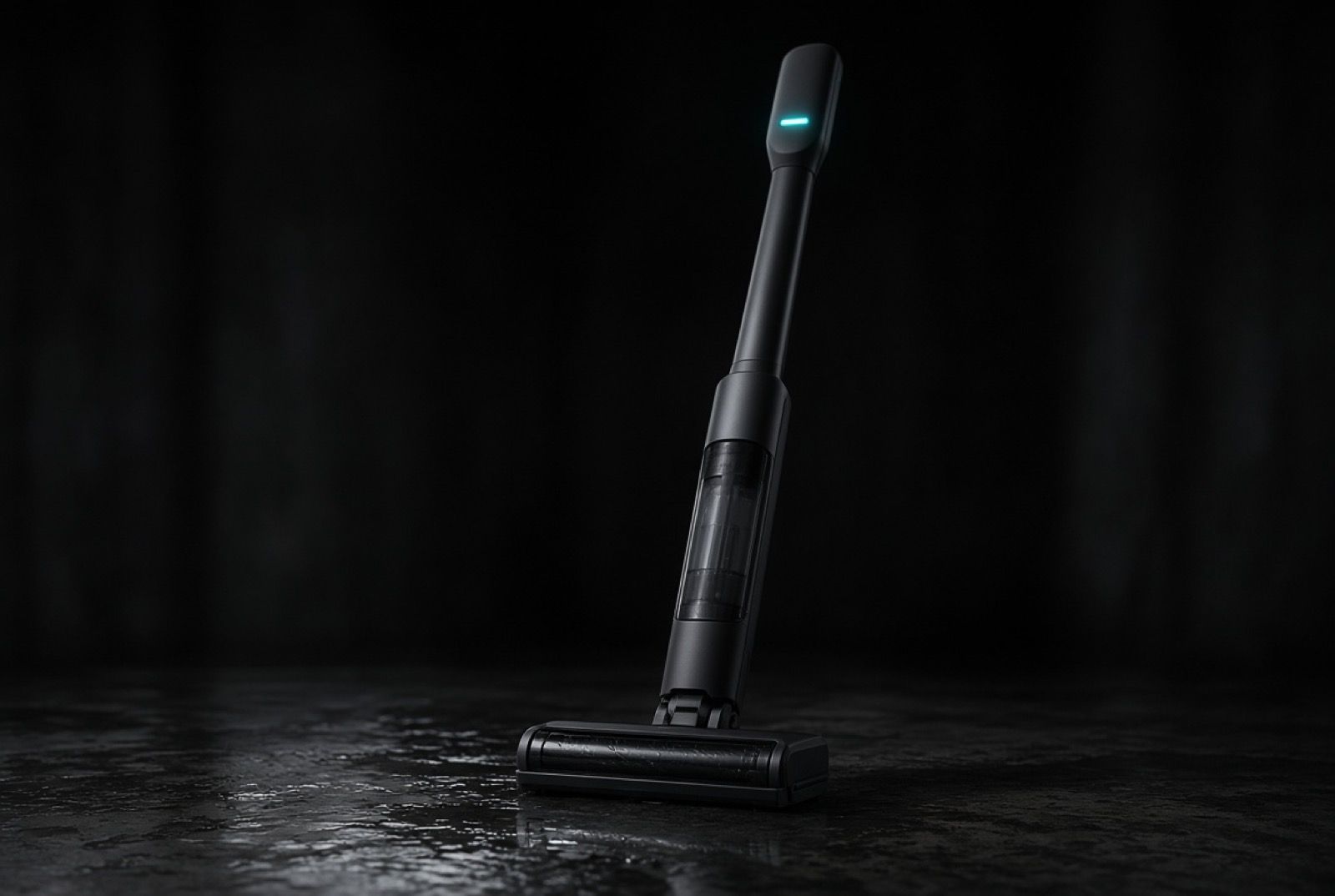
The best cordless vacuum for your home is rarely the one with the highest suction number on the box. It’s the one that still has battery left when you reach the last room, doesn’t strain your wrist by minute ten, and has a floorhead actually built for your floor type. Suction specs get the marketing attention; runtime, weight, and floorhead design are what determine whether the machine gets used every day or ends up in a closet after month two.
That’s the real buying decision, and it’s the one this guide is built around.
The Problem Cordless Vacuums Actually Solve
Corded vacuums are powerful but tethered — outlet-hopping, cord-wrangling, heavy to carry upstairs
→ Battery and motor technology matured enough to fit real cleaning power into a handheld form factor
→ Cordless stick vacuums trade a small amount of peak power for total freedom of movement
→ Result: a vacuum you can grab and use in under ten seconds, anywhere in the house
The trade-off is real, not marketing spin: even flagship cordless models generally can’t match a full-size corded upright’s sustained suction over a long session. What they buy back is speed of use — no cord to find an outlet for, no dragging a canister up stairs, no forgetting to plug it back in.
What Actually Determines Real-World Performance
Runtime, at the power level you’ll actually use
Published runtime numbers are almost always measured on the lowest suction setting, on a hard floor, with no attachment running. Real cleaning — carpet, a motorized pet-hair tool, max power on a stubborn spot — cuts that number substantially, often by half. When comparing runtime, look for a manufacturer’s stated “max power” runtime specifically, or an independent test result, not the headline number.
Floorhead design, not suction alone
A vacuum’s suction spec measures potential; the floorhead determines how much of that potential actually reaches your carpet or hard floor. Look for a brush roll matched to your dominant floor type — softer rollers with fewer bristle rows for hardwood and low-pile, stiffer bristled rollers for deep carpet — and, ideally, a “detect” or auto-adjust system that changes suction and brush speed based on the surface and debris it senses, since manually adjusting a dial every time you cross from tile to rug is friction most people stop doing within a week.
Weight and balance, held out in front of you
A vacuum’s spec-sheet weight doesn’t tell you how it feels held horizontally at arm’s length for ten minutes, which is the actual use case. Motor and battery placement matter more than total weight — a vacuum with its heaviest components near the handle, close to your grip, feels lighter in use than a lower-weight model with poor balance.
Dustbin size and emptying mechanism
A small bin means more mid-clean stops to empty it, which is a bigger daily annoyance than most buyers expect before owning one. Bagless bins with a simple push-button bottom-release avoid the mess of a narrow top-opening design that dumps debris back toward your hand.
Filtration, if allergies or pets are a factor
Sealed HEPA filtration matters specifically for households managing allergies or asthma, since it prevents fine dust and pet allergens from being recirculated out the exhaust. For everyone else, it’s a nice-to-have rather than a deciding factor.
How the Current Field Breaks Down
Cordless vacuums in 2026 cluster into a few clear tiers rather than a single ranked list, and which tier fits you matters more than chasing whichever single model currently holds the “best overall” title in any one publication’s monthly rankings.
Premium all-rounders. This tier is defined by auto-adjusting suction, a laser or optical dirt-detection system that lights up visible dust on hard floors, and increasingly, a wet-cleaning attachment that lets one machine handle a spill without switching tools. Dyson’s current flagship line sits here, with its top models adding a dedicated wet-cleaning head alongside the standard dry floorhead — genuinely two tools in one body, at a correspondingly premium price. Expect the highest sustained suction and the most attachments, at the highest weight and cost in the category.
Smart mid-premium. This is where “Detect”-style automatic power and brush-speed adjustment has fully trickled down from flagship-only to a wider price band. Shark’s PowerDetect line has consistently placed at or near the top of independent testing in this tier through 2026, largely on the strength of a floorhead that senses debris type and surface automatically rather than requiring a manual power dial — removing exactly the kind of daily friction that makes a “detect” feature worth paying for over a plain fixed-power model.
Value and budget. Brands like Dreame, Levoit, and Tikom have closed much of the performance gap against premium names at a fraction of the price, particularly on battery life and basic carpet/hard-floor pickup — independent 2026 testing has repeatedly flagged budget-tier models as strong all-rounders specifically because they don’t skimp on runtime, even where they lack the sensor-driven extras of the premium tier. This is the right tier for a household with straightforward, mostly-hard-floor cleaning needs and no interest in paying for automated power-adjustment they may never notice day to day.
| Tier | What you’re paying for | What you’re giving up if you go cheaper |
|---|---|---|
| Premium all-rounder | Auto power adjustment, optical dust detection, wet-cleaning attachment, self-empty dock options | Price, and often extra weight from the added hardware |
| Smart mid-premium | Auto power/brush adjustment without full flagship pricing | Some peak suction ceiling and premium build materials |
| Value/budget | Strong core runtime and pickup at low cost | Manual power switching, smaller bins, fewer attachments, shorter warranty coverage in some cases |
Matching a Tier to Your Home
PROBLEM: Choosing a cordless vacuum tier
→ Mostly hard floors, occasional rug, no pets → Value/budget tier covers this comfortably
→ Mixed carpet and hard floor, daily use, pets → Smart mid-premium; auto-adjust earns its price here
→ Large home, heavy pet shedding, want one tool for spills too → Premium all-rounder with wet-cleaning attachment
→ Whole-home deep carpet cleaning as the primary need → Consider a corded upright alongside a cordless stick for touch-ups
Where Cordless Still Loses to Corded
Cordless vacuums have closed most of the performance gap against corded models over the past several years, but two limitations remain structural rather than just “current generation.” Sustained max-power runtime on a large, heavily-carpeted multi-room home still favors a corded upright that never needs a charging break mid-clean. And bin capacity on a cordless stick is inherently limited by the need to keep the whole unit light enough to hold with one arm — a corded canister or upright can carry a bin several times larger without that constraint.
Neither of these is likely to fully close soon; they’re consequences of the same battery-and-weight trade-off that makes cordless vacuums convenient in the first place; solving one tends to work against the other.
The Decision, Simplified
- Buy premium if you want one machine to handle dry debris, wet spills, and heavy pet hair without thinking about settings.
- Buy smart mid-premium if you want auto power adjustment across mixed flooring without flagship pricing.
- Buy value/budget if your home is straightforward — mostly hard floors, light-to-moderate carpet, no major allergy concerns — and you’d rather not pay for sensors you won’t use.
- Keep a corded vacuum too if you have a large, heavily-carpeted multi-level home; use the cordless model for daily touch-ups and quick jobs, and the corded one for full deep cleans.
The spec sheet will always lead with a suction number. The floorhead, the runtime under real load, and how the weight sits in your hand are what actually decide whether you reach for it tomorrow.
For what that suction number (Air Watts, on most cordless models) actually tells you, see our Pa vs Air Watts explainer. If a hands-off machine appeals more than a cordless stick, see our best robot vacuum guide instead.
What's the single most important spec on a cordless vacuum?
Runtime under real load, not suction. Manufacturers publish runtime on the lowest power setting, but most people run on medium or max power for actual carpet cleaning, which can cut published runtime by half or more. A vacuum with slightly lower peak suction and an honest 30-minute real runtime beats one with higher suction that dies after 12.
Do I need a self-emptying dock?
Only if emptying a small dustbin every session is a real friction point for you. Self-empty docks solve a genuine annoyance, but they add cost, take up floor space, and are one more moving part that can fail. For most single-person households, a manual-empty bin with a large enough capacity is a fair trade.
Is a heavier vacuum always more powerful?
No. Weight is mostly a function of battery size and motor placement, not suction output. Some of the lightest current models hold their own on carpet because of smarter floorhead design and better seal, not because they're underpowered.
Should I buy a cordless vacuum instead of a corded one?
If your home is mostly one level with hard floors and low-to-medium pile carpet, a cordless model with a 30+ minute real runtime will cover full cleanings comfortably. Large multi-level homes with high-pile carpet throughout still favor a corded upright or canister for uninterrupted, full-power cleaning without a mid-clean charge break.
We purchase every unit tested at retail with zero manufacturer influence. If you buy through a link on this page, we may earn an affiliate commission at no extra cost to you. How our testing is funded →