Best Robot Vacuums Under $200 (2026): What's Worth It
The sub-$200 robot vacuum market is flooded with e-waste. We explain what genuinely works under $200, which models to avoid, and when to stretch your budget.
Top Picks at a Glance
- Best overall under $200 #1 Top Pick
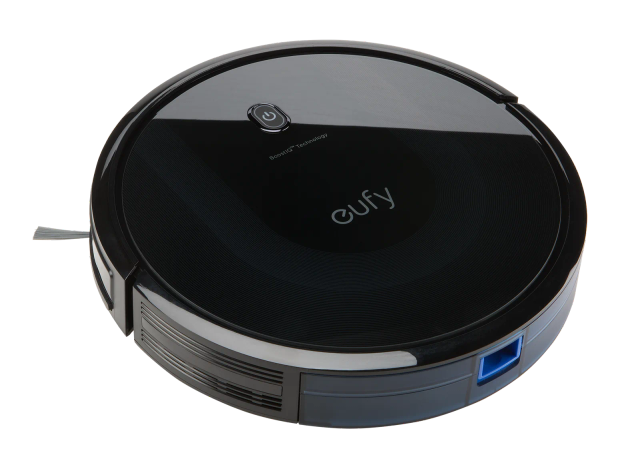 Eufy
EufyEufy 11S Max
Best for: Studios, low furniture clearance, and users who want quiet offline simplicity
2,000 Pa Bump - Best upgrade to stretch for
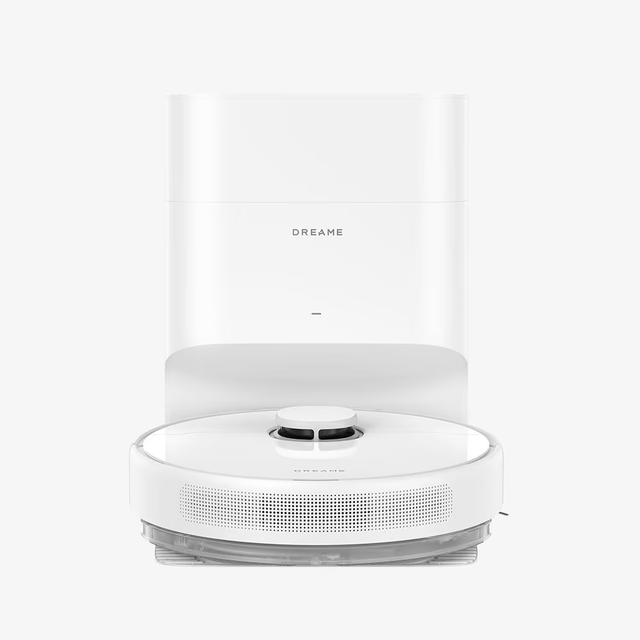 Dreame
Dreame D10 Plus
Best for: Spend $80 more during sales to unlock full LiDAR laser room mapping and an auto-empty dock
4,000 Pa LiDAR Auto Dock - Best pet & carpet stretch pick
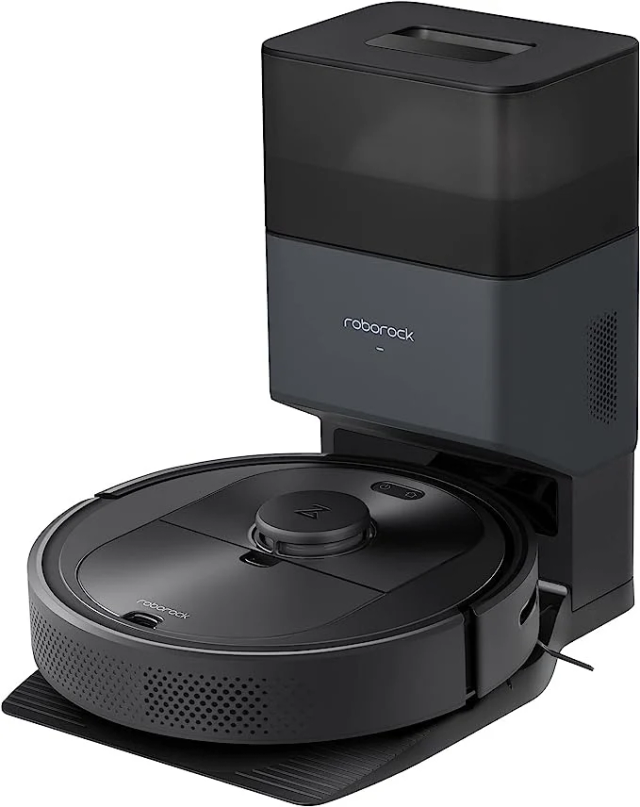 Roborock
Roborock Q5 Pro
Best for: Homes with shedding dogs and rugs that need dual anti-tangle rubber rollers
5,500 Pa LiDAR
Prices and specs last synced September 12, 2026.
Jump to Section (5)
The sub-$200 robot vacuum shelf is one of the most misleading categories in consumer tech. Type “robot vacuum” into any major marketplace and filter under $150, and you will be greeted by dozens of white-label gadgets promising “laser navigation,” “AI app control,” and “wet mopping.”
In reality, over 80% of sub-$150 generic robots are disposable e-waste. They ship with underpowered motors that barely lift pet dander, erratic sensors that repeatedly wedge themselves under dining chairs, and proprietary battery packs that die within six months with zero replacement parts available.
However, if you know which engineering compromises to look for, there is one legitimate champion that genuinely works under $200, along with two strategic sale-season upgrade options that are worth stretching for.
Eufy RoboVac 11S Max
Best for: Studios, low furniture clearance, and users who want quiet offline simplicity
The quiet, no-app, no-nonsense robot for small apartments under $200.
- Rated suction
- 2,000 Pa
- Runtime
- 100 min
- Noise
- 55 dB
- Navigation
- Bump
Best for
- 55 dB rated — the quietest robot in our database, confirmed as the quietest in an independent lab lineup
- 72 mm slim body fits under almost anything
- Remote control, no Wi-Fi required
Not ideal if
- Random navigation misses spots in large rooms
- No mapping, no app
Dreame D10 Plus
Best for: Spend $80 more during sales to unlock full LiDAR laser room mapping and an auto-empty dock
LiDAR mapping and a 45-day auto-empty dock for under $300.
- Rated suction
- 4,000 Pa
- Runtime
- 170 min
- Noise
- 65 dB
- Navigation
- LiDAR
Best for
- You want real LiDAR room mapping without paying flagship prices
- Your floors are mostly hardwood, tile or low-pile carpet
- You clear cords and small obstacles before a clean — this robot has no camera avoidance
Not ideal if
- You have deep, high-pile carpet — 4,000 Pa is not enough to deep-clean it
- You want scrubbing mop pads rather than a drag-along pad
- Your floor is often cluttered with cords, socks or pet toys
Roborock Q5 Pro
Best for: Homes with shedding dogs and rugs that need dual anti-tangle rubber rollers
A 770 ml bin and 240-minute battery — the best vacuum-first robot under $350.
- Rated suction
- 5,500 Pa
- Runtime
- 240 min
- Noise
- 66 dB
- Navigation
- LiDAR
Best for
- Huge 770 ml bin — a week between emptying without a dock
- Dual rubber rollers at this price are rare
- 240-minute runtime
Not ideal if
- No dock (the Q5 Pro+ adds one for $150)
- Mop is basic
The Truth About the Sub-$200 Robot Shelf
To make an honest purchase under $200, you must understand what modern robotics manufacturing can and cannot deliver at this bill-of-materials:
What Works Under $200
- Slim mechanical clearances: Without a raised LiDAR laser turret on top, a robot can measure under 7.5 cm (3 inches) in height, slipping beneath sofas and credenzas where $1,000 robots cannot fit.
- Low-noise daily maintenance: Simple direct-drive motors operating at 2,000 Pa create very little air turbulence, yielding ultra-quiet 55 dB operating volumes.
- Tactile offline control: Dedicated infrared remotes let you press “Clean” without installing apps, creating cloud accounts, or fighting 2.4 GHz Wi-Fi router issues.
What Fails Under $200
- Multi-room coverage: Without laser mapping, sub-$200 robots navigate by bouncing off obstacles. In a 3-bedroom home, they will clean the living room three times, completely miss the hallway, and run out of battery under a bed.
- Thick carpeting: 2,000 Pa is sufficient for hardwood, laminate, and low-pile welcome mats, but it lacks the static pressure required to pull dirt out of dense medium-to-high pile rugs.
- Mopping: Any mop feature attached to a sub-$200 robot is a cheap piece of damp velcro cloth dragged through dust. It does not sanitize, vibrate, or scrub.
1. Eufy RoboVac 11S Max — The Only Under-$200 Robot Worth Buying
If you have a strict $200 spending ceiling, the Eufy RoboVac 11S Max ($169–$179 street price) is the single model our scoring and reliability research recommend.
Why It Succeeds Where Others Fail
Eufy did not attempt to build a fake smart robot. Instead, they built a compact, exceptionally refined cleaning hockey puck:
- Ultra-Slim 2.85-Inch Height: Measuring just 7.2 cm tall, it navigates beneath bed skirts, low armchairs, and media consoles that block LiDAR-equipped machines.
- 55 dB Whisper Quiet: It produces less noise than a quiet microwave. You can easily watch movies, hold conversations, or take Zoom calls in the same room while it runs.
- BoostIQ Dynamic Suction: It cruises at low power over hardwood to conserve battery, then automatically ramps up to 2,000 Pa within 1.5 seconds when its roller sensors detect carpet.
- Readily Available Parts: Eufy sells official replacement filters, side brushes, and replacement lithium batteries directly, meaning the machine can run for 4+ years rather than ending up in a landfill.
2. Why Stretching to $280–$300 Changes Everything
While the Eufy 11S Max is an excellent tool for small studios, buyers living in multi-room apartments or single-family homes should strongly consider waiting for a retail coupon to cross into the $280–$300 tier.
| Feature | Sub-$200 (Eufy 11S Max) | $280–$300 Tier (Dreame D10 Plus) | Real-World Impact |
|---|---|---|---|
| Navigation | Random Bounce / Bump | LDS LiDAR Laser Mapping | Cleans in straight lines; 100% room coverage in half the time |
| App Virtual Boundaries | None (Use magnetic strips) | In-App No-Go Zones | Keep robot away from pet dishes with 2 taps on your phone |
| Dustbin Maintenance | Empty manual bin daily | 45-Day Auto-Empty Dock | Forget about dust and allergens for up to 6 weeks |
| Multi-Room Navigation | Gets lost in hallways | Selective Room Cleaning | Tell robot to clean only the kitchen after meals |
| Pet Hair Resistance | Bristled brush wraps hair | Higher suction / Dual rollers | Far less brush de-tangling needed |
If you can clip an Amazon instant voucher to pick up the Dreame D10 Plus near $279, the addition of the auto-empty dock and laser mapping fundamentally changes ownership from a daily chore to true hands-off automation.
Red Flags to Avoid When Shopping Under $200
If you are researching budget robots on marketplace sale days, instantly disqualify any product with these warning signs:
- “LiDAR” under $150: Solid-state laser turrets have fixed sensor and optical component costs. Any sub-$150 robot advertising “laser” is almost universally using a mock plastic turret or basic front infrared proximity diodes.
- Camera vision without branded data privacy: Cheap off-brand robots with front cameras frequently route unencrypted video feeds through unverified cloud servers. If buying budget, stick to blind infrared (Eufy) or reputable security-certified brands.
- No replacement brush rolls on Amazon: Before buying any budget model, search for replacement filters and brushes. If third-party or OEM replacements do not exist, the robot is disposable.
Frequently Asked Questions
Is a robot vacuum under $200 good for dog and cat hair?
For light shedding on bare tile, hardwood, and vinyl plank, yes. However, pet hair will wrap tightly around the Eufy 11S Max’s bristled brush roller, requiring you to use the included cleaning comb every 3–4 days to snip it free. If you have heavy-shedding breeds like Golden Retrievers or Huskies, step up to the Roborock Q5 Pro for its dual anti-tangle rubber rollers.
Does the Eufy 11S Max fall down stairs?
No. It is equipped with three downward-firing infrared cliff sensors along its front rim. When it approaches a stair ledge or drop-off, the sensors register empty space and the robot immediately reverses direction. (Note: Extremely dark black rugs can occasionally trigger cliff sensors falsely).
Can it clean when the lights are off?
Yes. Because the 11S Max uses infrared proximity and physical bumper contact rather than optical cameras, it navigates equally well in pitch-black rooms at night.
Can you get a good robot vacuum for under $200?
Yes, but strictly for specific living environments: single-level apartments under 600 sq ft with predominantly hard floors. The Eufy RoboVac 11S Max ($169–$179) has been the gold standard in this price bracket because it avoids unreliable gimmicks and focuses on quiet, slim, mechanically robust vacuuming.
Why do so many sub-$150 robot vacuums fail?
Most no-name sub-$150 robots use unbranded lithium cells that degrade in 6 months, brittle nylon drive gears that strip on rugs, and non-standard filters you cannot reorder. Sticking with established brands like Eufy ensures readily available replacement parts and proven customer support.
Does any robot vacuum under $200 have laser LiDAR mapping?
No. Genuine solid-state LiDAR laser turrets, motors, and processing boards cannot be manufactured and sold at retail under $200 without severe compromises. True LiDAR mapping starts around the $280 threshold with models like the Dreame D10 Plus.
Is it worth stretching an extra $80–$100 beyond $200?
In almost every scenario, yes. Stepping up from $180 to $279 (the sale price of the Dreame D10 Plus) upgrades you from random bump navigation to systematic laser room mapping, app virtual walls, and an automated 45-day auto-empty dock.
Related In-Depth Articles & Analysis
Related Buying Guides

If you buy through a link on this page, we may earn an affiliate commission at no extra cost to you. How we’re funded →