Robot Vacuums Under $300 (2026): What You Get vs Give Up
We compared the best robot vacuums under $300 on LiDAR mapping, pet hair pickup, self-emptying docks, and real-world running costs. See the top picks.
Top Picks at a Glance
- Best overall under $300 #1 Top Pick
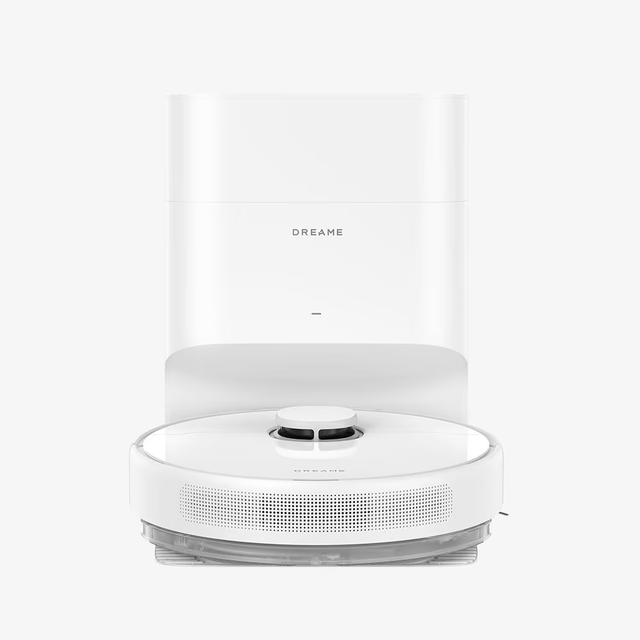 Dreame
Dreame D10 Plus
Best for: LiDAR mapping plus an automated self-empty dock at the most disruptive street price
4,000 Pa LiDAR Auto Dock - Best for pet hair & carpet
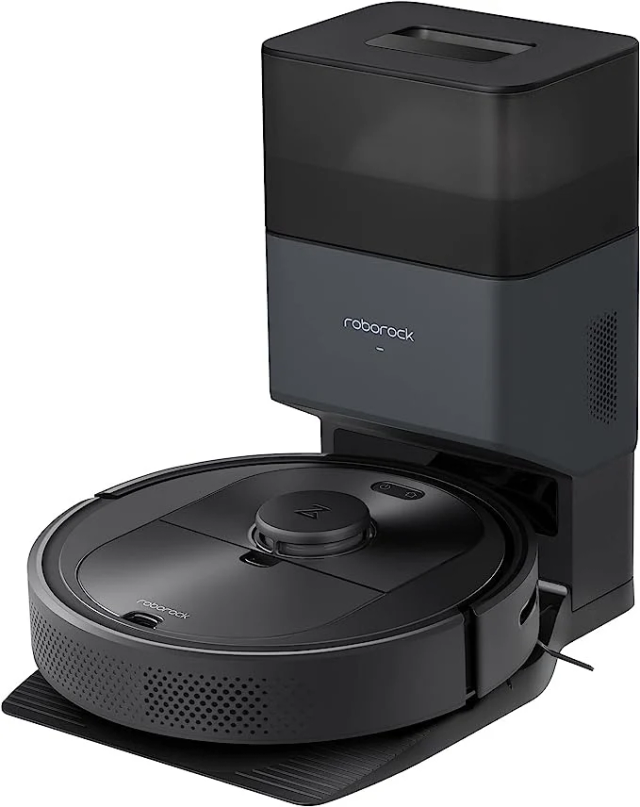 Roborock
Roborock Q5 Pro
Best for: Homes with shedding pets and rugs that need dual rubber rollers and a monster 770 ml bin
5,500 Pa LiDAR - Best ultra-budget under $200
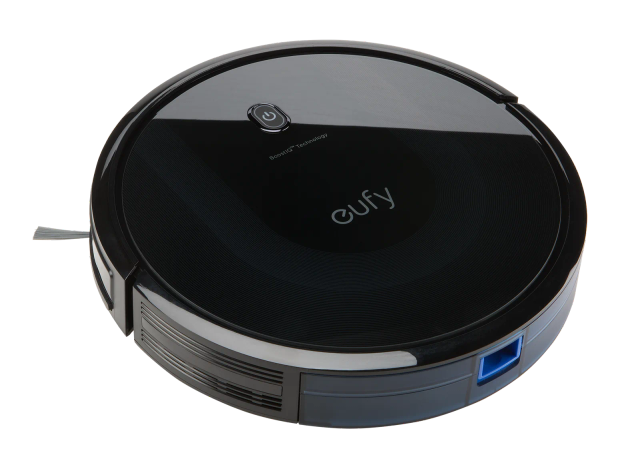 Eufy
EufyEufy 11S Max
Best for: Small studio apartments and low furniture clearance where whisper-quiet simplicity wins
2,000 Pa Bump
Prices and specs last synced September 12, 2026.
Jump to Section (7)
- 01 Quick Decision Guide: Which Sub-$300 Robot Fits You?
- 02 Under-$300 Comparison Matrix
- 03 Dreame D10 Plus — Best Overall Under $300
- 04 Roborock Q5 Pro — Best for Carpet & Shedding Pets
- 05 Eufy RoboVac 11S Max — Best Ultra-Budget for Small Studios
- 06 What You Should NOT Expect Under $300
- 07 Frequently Asked Questions
Buying a robot vacuum under $300 used to require accepting severe compromises: random bounce navigation that missed half your home, weak suction on rugs, and tiny dustbins you had to empty every twenty minutes.
That dynamic collapsed over the last eighteen months. As solid-state LiDAR turrets and auto-empty dock manufacturing scaled, premium navigation features cascaded straight down into the budget shelf. Today, a savvy shopper can get millimeter-precise laser mapping and a 45-day auto-empty dock for less than $300.
The key to buying in this tier is knowing what to prioritize and what to ignore. At under $300, you are buying a dedicated floor vacuum. If a brand promises motorized sonic scrubbers or AI camera vision at this price, it is cutting dangerous corners elsewhere.
Dreame D10 Plus
Best for: LiDAR mapping plus an automated self-empty dock at the most disruptive street price
LiDAR mapping and a 45-day auto-empty dock for under $300.
- Rated suction
- 4,000 Pa
- Runtime
- 170 min
- Noise
- 65 dB
- Navigation
- LiDAR
Best for
- You want real LiDAR room mapping without paying flagship prices
- Your floors are mostly hardwood, tile or low-pile carpet
- You clear cords and small obstacles before a clean — this robot has no camera avoidance
Not ideal if
- You have deep, high-pile carpet — 4,000 Pa is not enough to deep-clean it
- You want scrubbing mop pads rather than a drag-along pad
- Your floor is often cluttered with cords, socks or pet toys
Roborock Q5 Pro
Best for: Homes with shedding pets and rugs that need dual rubber rollers and a monster 770 ml bin
A 770 ml bin and 240-minute battery — the best vacuum-first robot under $350.
- Rated suction
- 5,500 Pa
- Runtime
- 240 min
- Noise
- 66 dB
- Navigation
- LiDAR
Best for
- Huge 770 ml bin — a week between emptying without a dock
- Dual rubber rollers at this price are rare
- 240-minute runtime
Not ideal if
- No dock (the Q5 Pro+ adds one for $150)
- Mop is basic
Eufy RoboVac 11S Max
Best for: Small studio apartments and low furniture clearance where whisper-quiet simplicity wins
The quiet, no-app, no-nonsense robot for small apartments under $200.
- Rated suction
- 2,000 Pa
- Runtime
- 100 min
- Noise
- 55 dB
- Navigation
- Bump
Best for
- 55 dB rated — the quietest robot in our database, confirmed as the quietest in an independent lab lineup
- 72 mm slim body fits under almost anything
- Remote control, no Wi-Fi required
Not ideal if
- Random navigation misses spots in large rooms
- No mapping, no app
Quick Decision Guide: Which Sub-$300 Robot Fits You?
- Buy the Dreame D10 Plus if you want true daily automation: set an automated schedule, let its LiDAR map out every room, and forget about dustbin maintenance for over a month thanks to its auto-empty dock.
- Buy the Roborock Q5 Pro if your household has shedding pets, carpeted bedrooms, or you prefer a standalone robot with maximum suction power and zero dock footprint.
- Buy the Eufy RoboVac 11S Max if you live in a single-level studio or small apartment under 600 sq ft, have low-slung couches, and want dead-simple offline remote control with zero Wi-Fi setup.
Under-$300 Comparison Matrix
Every specification below comes from manufacturer spec sheets and cited retail listings:
| Feature | Dreame D10 Plus | Roborock Q5 Pro | Eufy RoboVac 11S Max |
|---|---|---|---|
| Typical Street Price | $279 – $299 | $299 | $169 – $179 |
| Navigation System | LDS LiDAR Laser | PreciSense LiDAR | Bounce / Infrared Drop |
| Rated Suction | 4,000 Pa | 5,500 Pa | 2,000 Pa |
| Auto-Empty Dock | Yes (2.5L / 45-Day) | No (Standalone Base) | No (Charging Base) |
| Onboard Dustbin | 400 ml | 770 ml (Monster) | 600 ml |
| Brush Architecture | Bristle / Rubber Hybrid | DuoRoller Dual Rubber | Bristled Brush Roll |
| Mopping Capability | Passive Drag Pad | Passive Drag Pad | None |
| Operating Noise | 65 dB(A) | 67 dB(A) | 55 dB(A) (Ultra-Quiet) |
| Chassis Height | 9.6 cm (3.8 in) | 9.65 cm (3.8 in) | 7.2 cm (2.85 in) |
1. Dreame D10 Plus — Best Overall Under $300
The Dreame D10 Plus is the undisputed value benchmark of the sub-$300 shelf. It brings the two features that genuinely transform robot vacuum ownership—LiDAR laser mapping and a high-capacity auto-empty dock—down to an entry-level price point.
Why It Wins
Unlike basic budget robots that bounce blindly off walls, the D10 Plus shoots thousands of invisible laser points per second to construct an exact floor plan of your apartment or house on its very first run. In the Dreamehome app, you can label rooms, set virtual “No-Go Zones” around pet water bowls, and schedule targeted cleanings for the kitchen after dinner.
When it finishes vacuuming, it reverses into its tower dock. A powerful 17,000 Pa extraction motor vacuums out the robot’s onboard bin through dual air channels into a sealed 2.5-liter dust bag. Dreame rates this bag for up to 45 days of hands-free operation.
Honest Limitations
- Basic Mopping: The D10 Plus includes a clip-on water tank and microfiber cloth, but it is purely a passive drag pad. It will wipe away light surface dust, but it will not scrub dried coffee stains or sticky fruit juice.
- No AI Hazard Camera: Its laser turret sees walls, furniture legs, and closed doors flawlessly. However, it cannot identify thin smartphone charging cords, shoelaces, or pet waste. You must do a quick 60-second floor tidy before running it.
2. Roborock Q5 Pro — Best for Carpet & Shedding Pets
If your home has medium-pile carpeting, thick area rugs, or multiple shedding dogs, the Roborock Q5 Pro is the superior pure vacuum cleaner. Roborock made a deliberate design choice here: instead of allocating manufacturing budget toward an expensive auto-empty dock, they poured every dollar directly into raw vacuuming performance.
Why It Wins
The Q5 Pro is equipped with Roborock’s DuoRoller system—two counter-rotating all-rubber brush rollers that spin inward toward the suction channel. While traditional bristled brushes get tightly wrapped in pet fur and human hair within days, these rubber rollers naturally channel hair toward the ends for effortless removal.
Coupled with 5,500 Pa of HyperForce suction, it digs deep into carpet fibers to dislodge embedded sand and dander. Furthermore, it features a massive 770 ml onboard dustbin—nearly double the capacity of standard robot bins—allowing it to tackle heavy shedding sessions without overflowing mid-cycle.
Honest Limitations
- Manual Emptying: You must lift the top lid and empty the plastic dustbin into your trash can every few runs. If you want this exact cleaning engine with an auto-empty dock, you will need to upgrade to the Q5 Pro+ (which pushes street prices closer to $450).
- Dock Footprint: The compact charging puck is easy to tuck under side tables, but the robot does not mop rugs (you must remove the mop plate when vacuuming carpets).
3. Eufy RoboVac 11S Max — Best Ultra-Budget for Small Studios
For shoppers with strict budgets under $200, apartments under 600 square feet, or low-profile designer furniture, the Eufy RoboVac 11S Max remains an enduring classic.
Why It Wins
At a razor-thin 7.2 cm (2.85 inches) tall, the 11S Max slides effortlessly underneath low sofas, TV credenzas, and bed frames where taller LiDAR-turret robots instantly wedge and stop. It is also whisper-quiet, measuring just 55 dB in standard mode—quiet enough to run while watching television or taking a remote work call in the same room.
Crucially, it requires zero Wi-Fi, zero smartphone apps, and zero cloud account registrations. You control it entirely with an included tactile infrared remote. For elderly family members, college dorm rooms, or privacy-conscious renters, this offline reliability is a major advantage.
Honest Limitations
- Bounce Navigation: It navigates using infrared edge sensors and physical bumper taps. In large, multi-room homes with complex floor plans, it will inevitably miss patches or struggle to locate its charging dock before its battery depletes. Keep it confined to small, single-level living zones.
What You Should NOT Expect Under $300
When shopping in the budget tier, aggressive marketing can easily mislead first-time buyers. Here is the realistic baseline:
- Do not expect active obstacle recognition: None of these robots feature neural-network stereo cameras. If you leave socks, USB cords, or cat toys on the carpet, the robot will wrap them around its brush roller and halt with an error beep.
- Do not expect genuine mopping: True mopping requires motorized dual spinning pads with downward pressure (found on robots like the Roborock Q Revo starting around $650). Sub-$300 mop attachments are damp dusting wipes. If you need serious hard-floor stain scrub power, consider pairing a budget robot with an inexpensive cordless wet-dry floor washer.
- Do not expect self-washing docks: Sub-$300 docks only empty dry dirt bags. Automated hot-water pad cleaning, fresh/dirty water tanks, and heated air drying require stepping up to the $500–$800 tier.
Frequently Asked Questions
Can robot vacuums under $300 clean high-pile rugs?
They can clean the surface dust, but they will struggle to deep-clean thick shag rugs. Long fibers create friction that slows down budget motors, and light-weight robots can occasionally interpret dark rug patterns as dangerous stair drop-offs. If your home is 100% thick carpeting, a dedicated upright or cordless stick like the Dyson V8 provides vastly higher airflow per dollar.
How often do you replace auto-empty bags?
With a 2.5L dock bag (such as on the Dreame D10 Plus), a typical two-bedroom home running the robot three times a week will fill one bag every 35 to 45 days. Replacement bags cost roughly $3 to $4 each when bought in multi-packs, translating to an ongoing maintenance cost of about $25 per year.
Is LiDAR mapping necessary for small apartments?
For a single-room studio under 400 square feet, bounce navigation (like the Eufy 11S Max) is completely sufficient. However, if your home has separate bedrooms, a hallway, or distinct dining areas, LiDAR mapping is worth every penny—it ensures 100% room coverage, systematic zig-zag cleaning paths, and clean times that are 50% faster.
Is a $300 robot vacuum actually worth buying in 2026?
Yes, provided you choose a model with LiDAR navigation. The sub-$300 category used to be dominated by 'blind' bump-and-turn robots that got trapped under chairs. Today, models like the Dreame D10 Plus and Roborock Q5 Pro deliver the exact same millimeter-level laser room mapping as $1,000 flagships.
What do you give up when buying a robot vacuum under $300?
You give up three specific features: active obstacle AI (they lack stereo RGB cameras, so you must pick up phone cables and socks), motorized mopping (mops at this price are passive wet drag-cloths), and auto-washing mop docks with hot water.
Can you get a self-emptying robot vacuum for under $300?
Yes. The Dreame D10 Plus regularly drops to $279–$299 during retail promotional windows. It includes a dedicated auto-empty tower with a 2.5-liter sealed dust bag rated for up to 45 days of hands-off collection.
How does the Roborock Q5 Pro handle pet hair compared to the Dreame D10 Plus?
The Roborock Q5 Pro is measurably superior on pet hair. It features counter-rotating DuoRoller rubber brushes that resist long hair wrap, 5,500 Pa suction, and a huge 770 ml dustbin. The Dreame D10 Plus uses a single bristled roller brush that requires periodic hair snipping.
Related In-Depth Articles & Analysis
Related Buying Guides

If you buy through a link on this page, we may earn an affiliate commission at no extra cost to you. How we’re funded →