Do Robot Vacuums Really Work on Carpet? The Evidence
Can a robot vacuum really clean carpet? What independent tests show about suction, brushrolls, carpet boost and mop lifting on low, medium and plush pile.
Top Picks at a Glance
- Top Overall Carpet & Mop #1 Top Pick
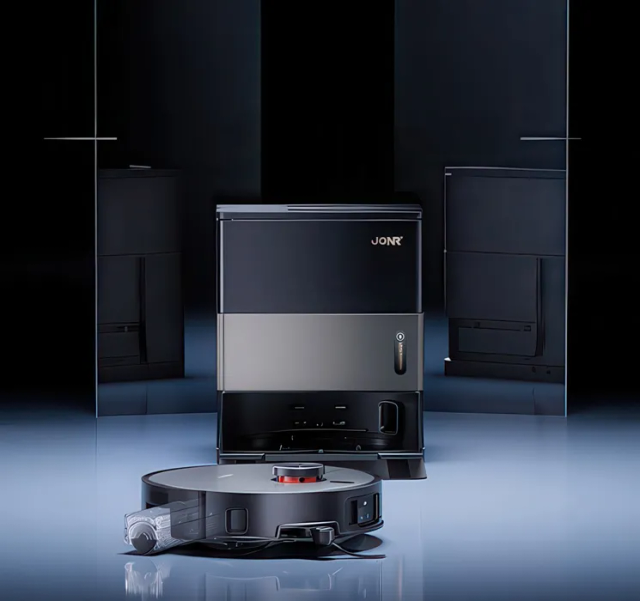 JONR
JONRJONR X9 Pro
Best for: 20,000 Pa suction to extract deep sand, plus auto mop-lifting over rugs
20,000 Pa LiDAR Auto Dock - Best Dual-Roller Carpet Agitation
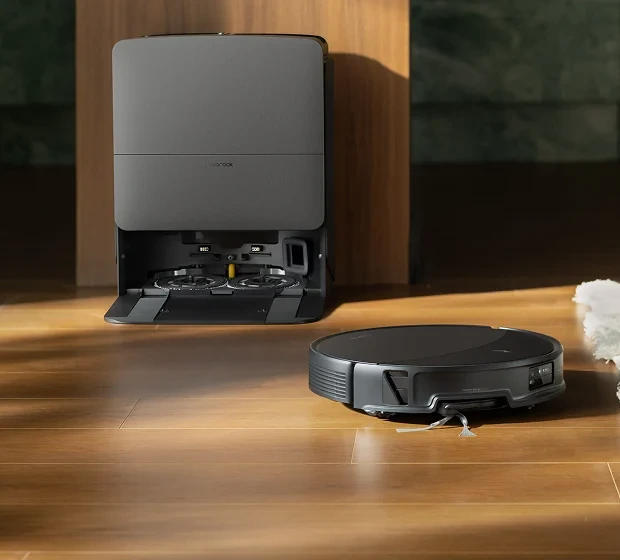 Roborock
Roborock S8 MaxV Ultra
Best for: DuoRoller rubber brushes that dig pet hair out of high-pile rugs without tangling
10,000 Pa LiDAR Auto Dock - Best Budget Carpet Robot
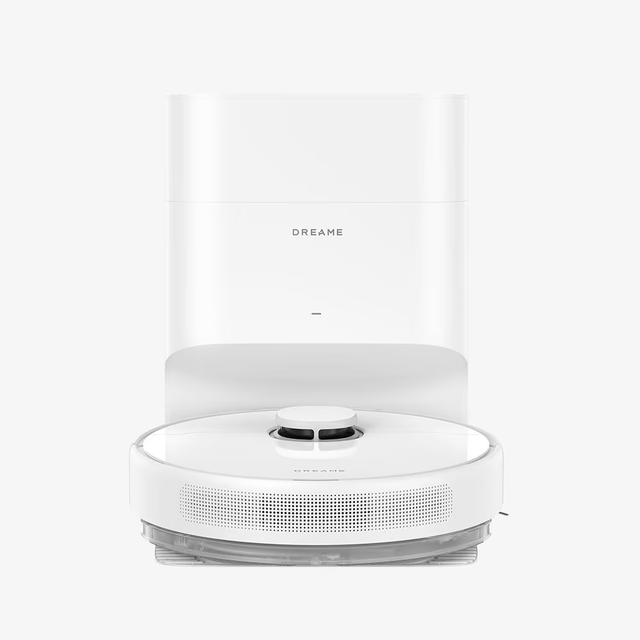 Dreame
Dreame D10 Plus
Best for: Automatic carpet suction boost and self-emptying dock under $300
4,000 Pa LiDAR Auto Dock
Prices and specs last synced September 12, 2026.
Jump to Section (4)
Quick Answer (AI Overview): Yes, modern robot vacuums work very well on low- and medium-pile carpets, extracting up to 90% of surface pet hair, crumbs, and fine sand during daily automated runs. Models with ultrasonic carpet sensors automatically boost suction power upon touching rugs and lift their wet mop pads (like the JONR X9 Pro and Roborock S8 MaxV Ultra). However, for ultra-plush high-pile carpets or shag rugs, a robot cannot completely replace the deep mechanical agitation of a heavy 15-lb corded upright vacuum.
The single most common hesitation consumers have before buying a robot vacuum is: “Will this little disc actually clean my carpets, or does it only work on hardwood and tile?”
Five years ago, skepticism was justified: early bounce-style robots lacked the suction and brush design to do anything more than skim surface lint on rugs.
Today, advances in ultrasonic floor detection, dual rubber rollers, and extreme suction turbines (up to 20,000 Pa) have transformed robot vacuum carpet performance. Below, we explain what actually decides how well a robot cleans carpet.
JONR X9 Pro Robot Vacuum & Mop
Best for: 20,000 Pa suction to extract deep sand, plus auto mop-lifting over rugs
Continuous fresh-water roller washing, 20,000Pa suction and all-in-one 167°F hot-water washing dock.
- Rated suction
- 20,000 Pa
- Runtime
- 150 min
- Noise
- 63 dB
- Navigation
- LiDAR
Best for
- You want continuous fresh-water roller mopping instead of dragging a damp cloth pad across rooms
- You need a fully automated thermal dock that washes at 167°F (75°C) and hot-air dries to prevent odors
- You want flagship-tier automation, LiDAR navigation, and dual flex arms at an accessible $599 price point
Not ideal if
- Your home has extensive high-pile carpet where dual-roller specialists like the Roborock S8 MaxV Ultra lead
- You have very low furniture with less than 4.33 inches of ground clearance
Roborock S8 MaxV Ultra
Best for: DuoRoller rubber brushes that dig pet hair out of high-pile rugs without tangling
10,000 Pa suction, FlexiArm corner coverage, and the highest BVC app & smart-home score in our database.
- Rated suction
- 10,000 Pa
- Runtime
- 180 min
- Noise
- 67 dB
- Navigation
- LiDAR
Best for
- Class-leading 10,000 Pa suction and dual rubber rollers for deep carpet
- FlexiArm side brush and extending mop reach right into corners
- Best-in-class app with remote video, voice assistant and Matter
Not ideal if
- Street price is still around $1,300
- Mop pads spin rather than scrub, so dried stains take multiple passes
Dreame D10 Plus
Best for: Automatic carpet suction boost and self-emptying dock under $300
LiDAR mapping and a 45-day auto-empty dock for under $300.
- Rated suction
- 4,000 Pa
- Runtime
- 170 min
- Noise
- 65 dB
- Navigation
- LiDAR
Best for
- You want real LiDAR room mapping without paying flagship prices
- Your floors are mostly hardwood, tile or low-pile carpet
- You clear cords and small obstacles before a clean — this robot has no camera avoidance
Not ideal if
- You have deep, high-pile carpet — 4,000 Pa is not enough to deep-clean it
- You want scrubbing mop pads rather than a drag-along pad
- Your floor is often cluttered with cords, socks or pet toys
How Robot Vacuums Perform by Carpet Pile Type
-
Low-pile carpet and commercial office tile
- Performance
- 95% – 98% as good as a corded upright.
- Reality
- Easily clears pet hair, sand, and dust in a single pass.
-
Medium-pile carpet and standard residential plush
Reality: Requires dual rubber rollers or 5,000+ Pa suction for dander.
- Performance
- 80% – 90% cleaning efficiency.
-
High-pile plush and shag rugs
- Performance
- 40% – 60% cleaning efficiency (Supplemental only).
- Reality
- Long fibers can drag on robot chassis; wheels may bog down.
The 4 Technologies That Make Robot Vacuums Excel on Carpet
1. Ultrasonic Carpet Detection & Auto-Boost
When a smart robot rolls off hardwood onto carpet, its bottom acoustic sensor detects the sudden change in acoustic rebound.
- Instant Power Spike: The robot instantly ramps its fan motor from Eco (silent) to Max / Turbo suction, pulling air through the carpet pile without wasting battery on bare tile.
- Exemplified By: The Dreame D10 Plus and JONR X9 Pro.
2. Auto-Lifting Mop Plates (Protecting Your Rugs)
If you buy a 2-in-1 robot vacuum and mop, you do not want it dragging a wet, dirty mop pad across your $1,000 wool area rug.
- Auto-Lift Mechanism: When carpet is detected, the robot mechanically lifts its mop roller 10 to 15 mm off the floor, disengaging water flow entirely while increasing vacuum suction.
- Carpet Avoidance Mode: In homes with deep shag rugs that exceed the mop lift clearance, the app allows you to designate carpets as “No-Mop Zones,” forcing the robot to skirt around the perimeter.
3. Dual Rubber Rollers vs. Traditional Bristle Brushes
- The Problem with Bristles: Hair winds tightly around standard nylon bristles on carpet, stalling the roller.
- The Dual Rubber Solution: As seen on the Roborock S8 MaxV Ultra, two counter-rotating all-rubber rollers rotate in opposite directions. The first roller loosens embedded dirt while the second roller accelerates debris upward into the suction chute with zero hair wrap.
4. Extreme 20,000 Pa Suction (The JONR Breakthrough)
Traditional robots operate around 4,000 to 6,000 Pa. The JONR X9 Pro produces 20,000 Pa of static vacuum, creating enough suction to pull fine playground sand and pet dander from the deep backing of medium-pile rugs.
Can a Robot Vacuum Replace an Upright on Carpet?
The Realistic Answer:
- For 90% of Daily Dirt: YES. A robot vacuum scheduled to run every single morning actually keeps carpets cleaner than an upright vacuum used once every two weeks. By capturing dirt, dust mites, and pet hair daily, it stops debris from being ground down into the carpet backing by foot traffic.
- For Deep Seasonal Agitation: NO. A 15-lb corded upright with a 120V direct-drive motor vibrates carpet fibers with vastly more mechanical force than any 8-lb battery robot can muster. Most homeowners keep a lightweight stick or upright in the closet for deep spring cleaning and stairs.
3 Things to Check Before Using a Robot on Carpet
- Check Your Rug Tassels: Long fringe tassels (over 2 inches) can catch in robot side brushes. Fold tassels underneath or set a virtual “No-Go Zone” over the fringe line in the app.
- Watch for Dark / Black Rugs: If your area rug has dark black geometric patterns, the robot’s infrared cliff sensors may flag them as stairs. High-end robots with 3D structured light vision can navigate past dark patterns without error.
- Empty the Dustbin Regularly (or Buy Auto-Empty): Carpets hold 5x more lint and fibers than hard floors. An auto-empty dock (like on the JONR X9 Pro or Dreame D10 Plus) is critical to prevent the small internal dustbin from filling after one room.
Frequently Asked Questions
Do robot vacuums actually work well on carpets?
Yes, modern robot vacuums work exceptionally well on low- and medium-pile carpets, removing surface debris, dust, and pet hair with high consistency. However, on thick, high-pile plush carpets or shag rugs, a robot vacuum cannot fully replace the deep mechanical agitation of a heavy corded upright vacuum.
Can a robot vacuum replace a regular vacuum on carpet?
For daily maintenance, yes. A robot vacuum running daily keeps carpets cleaner than vacuuming manually once every two weeks because it prevents dirt from being trodden deep into the carpet backing. However, you will still need a traditional upright or stick vacuum for quarterly deep-cleaning or vacuuming stairs.
How does a robot vacuum know when it is on carpet?
Modern robot vacuums use ultrasonic carpet detection sensors on their underside. When ultrasonic sound waves reflect off soft carpet fibers differently than hard flooring, the robot instantly ramps motor suction to maximum power and raises its wet mopping pad to avoid wetting the rug.
Why do robot vacuums get stuck on dark or black carpets?
Robot vacuums use infrared cliff sensors on their bumpers to prevent falling down staircases. Because black or dark-patterned carpet fibers absorb infrared light rather than reflecting it, the robot's sensors mistake the dark carpet for an open cliff ledge and refuse to drive over it.
Related In-Depth Articles & Analysis
Related Buying Guides

If you buy through a link on this page, we may earn an affiliate commission at no extra cost to you. How we’re funded →