Robot vacuums · Guide
5 Best Robot Vacuums for Small Spaces in 2026: Ranked & Compared
The 5 best robot vacuums for small spaces in 2026, compared by robot size, dock footprint and under-furniture clearance, with a Total Space Footprint table.
Short answer: The best robot vacuum for small spaces is the SwitchBot K11+: its robot is 248 mm across and its auto-empty dock covers about 24 × 18 cm of floor. Choose the iRobot Roomba 205 DustCompactor Combo to avoid a self-emptying tower, the TP-Link Tapo RV30 Max Plus for value, and the Dreame X60 Max Ultra Complete for low furniture.
Jump to Section (12)
- 01 Quick Comparison: Best Robot Vacuums for Small Spaces
- 02 What Is a Total Space Footprint, and Why Does It Matter in a Small Home?
- 03 SwitchBot K11+ — Best Robot Vacuum for Small Spaces Overall
- 04 iRobot Roomba 205 DustCompactor Combo — Best for a Small Docking Area
- 05 TP-Link Tapo RV30 Max Plus — Best Value for Small Apartments
- 06 Dreame X60 Max Ultra Complete — Best for Cleaning Under Low Furniture
- 07 Eufy X10 Pro Omni — Best Robot Vacuum and Mop for Small Homes
- 08 Robot Vacuum Dimensions Compared: Which Takes Up the Least Space?
- 09 Which Robot Vacuum Should You Choose for Your Space?
- 10 Compact Alternatives We Have Full Reviews For
- 11 How to Choose a Robot Vacuum for a Small Apartment
- 12 Final Verdict: The Best Robot Vacuum for Your Small Space
The best robot vacuum for small spaces should clean efficiently without taking over your living area. For apartments, studios and compact homes, the most important factors are robot dimensions, docking station size, furniture clearance and navigation performance.
A smaller robot is not necessarily the best choice. Some compact models come with surprisingly large self-emptying stations, while others use onboard dust storage or smaller charging docks to save valuable floor space.
We compared five robot vacuums with different approaches to compact living, from the ultra-compact SwitchBot K11+ to the iRobot Roomba 205 with its built-in DustCompactor system.
Our top picks:
- Best overall for compact dimensions: SwitchBot K11+
- Best for avoiding a large docking station: iRobot Roomba 205 DustCompactor Combo
- Best value: TP-Link Tapo RV30 Max Plus
- Best for low furniture: Dreame X60 Max Ultra Complete
- Best vacuum and mop combination: Eufy X10 Pro Omni
Our recommendations prioritize the complete space-saving experience, not just advertised suction power.
Key takeaways
- The robot is only half of the footprint. In this comparison the docks range from a charging base to a station that covers about 1,750 cm² of floor.
- The narrowest robot is the SwitchBot K11+ at 248 mm. The slimmest is the Dreame X60 Max Ultra Complete at 79.5 mm with its turret lowered.
- The Roomba 205 is the only pick that needs no self-emptying station at all: it compacts debris inside the robot for up to 60 days, according to iRobot.
- Every figure below comes from a manufacturer page or a published review we opened on 2026-11-22. Nothing here is a BestVacuumCleaner.co measurement.
Quick Comparison: Best Robot Vacuums for Small Spaces
| Robot Vacuum | Best For | Robot Dimensions (W × D × H) | Dock Type |
|---|---|---|---|
| SwitchBot K11+ | Best overall compact robot | 248 × 248 × 92 mm | Auto-empty |
| iRobot Roomba 205 Combo | Small docking footprint | 359 × 358 × 101 mm | Charging-only |
| TP-Link Tapo RV30 Max Plus | Best value | 330 × 330 × 100 mm | Auto-empty |
| Dreame X60 Max Ultra Complete | Low furniture | 79.5 mm tall* | Multifunction |
| Eufy X10 Pro Omni | Automated mopping | 353 × 327 × 113.5 mm | Multifunction |
*Dreame height with its navigation turret lowered; we could not confirm a published width. Dimensions are manufacturer specifications, or published reviews where noted in the sources, and may vary by regional version.
What Is a Total Space Footprint, and Why Does It Matter in a Small Home?
Total Space Footprint is the floor area a robot vacuum system occupies: the robot’s footprint plus its dock’s footprint. We calculate it from published dimensions so you can compare whole systems instead of robots alone.
Most buying guides list the robot’s diameter and stop there. In a small apartment that misses the larger object. A multifunction station with water tanks can cover more floor than the robot it serves, and it stays in your room all day while the robot is parked.
How we calculate it:
- Robot footprint: published width × depth (the square the robot fits inside).
- Dock footprint: published width × depth of the station at floor level.
- Total Space Footprint: the two added together, in cm².
It is a deliberately simple, slightly generous number. Robots park partly on or inside their docks, so the real parked area is somewhat smaller, and the figure does not include the clearance a manufacturer asks you to leave around the dock. Treat it as a like-for-like comparison, not a floor plan.
Total Space Footprint: robot + dock floor area (calculated from published dimensions)
- SwitchBot K11+
- about 1,050 cm² Robot 615 cm² + dock 432 cm²
- TP-Link Tapo RV30 Max Plus
- about 1,460 cm² Robot 1,089 cm² + dock 374 cm²
- Eufy X10 Pro Omni
- about 2,910 cm² Robot 1,154 cm² + station 1,752 cm²
| Model | Robot footprint | Dock footprint | Total Space Footprint | Tallest part of the system |
|---|---|---|---|---|
| SwitchBot K11+ | 615 cm² | 432 cm² | about 1,050 cm² | 250 mm (dock) |
| TP-Link Tapo RV30 Max Plus | 1,089 cm² | 374 cm² | about 1,460 cm² | 330 mm (dock) |
| Eufy X10 Pro Omni | 1,154 cm² | 1,752 cm² | about 2,910 cm² | 460 mm (station) |
| iRobot Roomba 205 Combo | 1,285 cm² | Charging dock, size not published | Not calculated | Not published |
| Dreame X60 Max Ultra Complete | Width not confirmed | Not confirmed | Not calculated | Not confirmed |
Two rows are incomplete on purpose. iRobot’s product pages do not state the charging dock’s dimensions, and we could not open a Dreame page listing the X60 station’s size, so we have left those cells empty instead of estimating. The Roomba’s dock is a plain charging base, so its total will sit close to the robot’s own 1,285 cm². The Dreame uses a full multifunction station with water tanks, so expect it to sit at the large end.
What the numbers say: the SwitchBot K11+ system takes roughly a third of the floor area of the eufy X10 Pro Omni system, and the Tapo dock is the smallest auto-empty dock here even though its robot is 8 cm wider than the SwitchBot.
1. SwitchBot K11+ — Best Robot Vacuum for Small Spaces Overall
Best for: Studios, small apartments, narrow passages and homes with limited maneuvering space.
The SwitchBot K11+ stands out because its robot is substantially smaller than conventional robot vacuum designs.
Measuring 248 mm across, it is designed to navigate compact floor plans where a traditional 13- to 14-inch robot may struggle to maneuver.
Its compact circular body is paired with LiDAR navigation, allowing it to create a map of the home and follow systematic cleaning routes.
Despite its small size, SwitchBot advertises up to 6,000 Pa of suction power. The robot also uses PSD optical sensors for obstacle detection and offers four suction levels.
The K11+ comes with an automatic dust-collection station, so buyers do not have to sacrifice all maintenance convenience to get a smaller robot. The station holds a 4-litre dust bag, and it is small: about 240 × 180 mm at floor level and 250 mm tall.
SwitchBot K11+: key specifications (as published in reviews)
- Robot dimensions
- 248 × 248 × 92 mm
- Advertised suction
- 6,000 Pa
- Navigation
- LiDAR mapping
- Obstacle detection
- PSD optical sensors
- Maximum runtime
- 150 minutes
- Dock dimensions
- 240 × 180 × 250 mm
- Dock dust bag
- 4 litres
- Mopping
- Disposable wet-wipe pad
- Total Space Footprint
- about 1,050 cm²
Why it is suitable for small spaces
The K11+ prioritizes the robot’s physical footprint. Its smaller body is especially useful in apartments with narrow furniture gaps, smaller rooms and restricted turning space. It also has the smallest Total Space Footprint we could calculate in this comparison.
What to consider
At 92 mm tall it is slimmer than most LiDAR robots, but it is not the slimmest here. Measure beneath your furniture before purchasing.
Its mop is a disposable wet-wipe attachment with no water tank, so treat it as a dusting pass instead of real mopping.
Also check the dimensions of the exact regional docking station included with your model. The station is separate equipment, and the smallest robot does not necessarily mean the smallest complete system.
Our verdict: The SwitchBot K11+ is the strongest choice when robot size and maneuverability are your primary considerations.
2. iRobot Roomba 205 DustCompactor Combo — Best for a Small Docking Area
Best for: Apartments where there is little room for a conventional self-emptying station.
The iRobot Roomba 205 DustCompactor Combo solves a different space problem.
Rather than relying on a large docking station to collect dirt, it compresses debris inside its own dustbin using a mechanical DustCompactor system.
According to iRobot, debris is “continuously compacted, and contained inside the robot for up to 60 days at a time”, depending on cleaning conditions and usage.
This removes the need for a separate automatic dust-emptying tower. The robot returns to a simple charging dock instead.
The Roomba 205 also includes ClearView LiDAR navigation, room mapping with up to three saved maps, keep-out zones, carpet detection and a washable microfiber mopping pad.
Its four suction levels provide flexible everyday cleaning. iRobot does not publish a suction figure in pascals for this model, so it cannot be compared directly with the Pa ratings quoted by the other four brands.
iRobot Roomba 205 DustCompactor Combo: key specifications (manufacturer)
- Robot dimensions
- 359 × 358 × 101 mm
- Robot weight
- 3.83 kg
- Navigation
- ClearView LiDAR
- Dust collection
- Onboard DustCompactor
- Advertised dust storage
- Up to 60 days
- Suction levels
- 4 (no Pa figure published)
- Mopping
- Washable microfiber pad
- Dock
- Charging dock, no self-emptying
- Controls
- App, buttons, Alexa, Siri, Google Assistant
Why it is suitable for small spaces
Its main advantage is the absence of a bulky automatic dust-emptying station.
For apartments where there is room for a robot but no convenient place for a large collection tower, this is a particularly practical design.
What to consider
The robot itself is not especially small. At approximately 14 inches wide, it is considerably larger than the SwitchBot K11+ and has the largest robot footprint in this comparison.
It is also approximately 4 inches tall, so it cannot reach underneath some low furniture.
iRobot does not publish battery capacity or runtime on its product page, so check current owner and expert reviews for battery life and mopping results before buying.
Our verdict: The Roomba 205 is our leading recommendation for buyers who want to minimize the space used by their docking setup rather than the robot’s physical footprint.
3. TP-Link Tapo RV30 Max Plus — Best Value for Small Apartments
Best for: Buyers who want smart navigation and automatic dust collection without a premium multifunction station.
The TP-Link Tapo RV30 Max Plus offers an appealing combination of everyday cleaning features and a comparatively compact automatic-emptying dock.
The robot measures 330 mm in diameter and 100 mm in height. Its docking station measures just 228 × 164 × 330 mm.
That station footprint is particularly relevant for small apartments because it provides automatic dust collection without the larger water tanks and mop-cleaning equipment found in premium all-in-one systems.
The robot uses LiDAR and IMU dual navigation to map rooms, plan cleaning routes and support features such as no-go zones, virtual walls, scheduling and multi-floor maps.
It offers up to 5,300 Pa of advertised suction power and a basic electric water-flow mopping system. TP-Link rates it at 55 dB in standard mode and 52 dB in quiet mode, which matters when the robot runs in the room you are sitting in.
TP-Link Tapo RV30 Max Plus: key specifications (manufacturer)
- Robot dimensions
- Φ330 × 100 mm
- Dock dimensions
- 228 × 164 × 330 mm
- Advertised suction
- 5,300 Pa
- Navigation
- LiDAR + IMU
- Dock dust bag
- 3 litres, up to 2 months
- Battery
- 2,600 mAh
- Maximum runtime
- Up to 3 hours
- Rated noise
- 55 dB standard, 52 dB quiet
- Threshold height
- 22 mm
- Mopping
- Electric water-flow control
- Total Space Footprint
- about 1,460 cm²
Why it is suitable for small spaces
The RV30 Max Plus offers one of the most practical combinations of automatic dust collection and a compact dock in this comparison. Its dock has the smallest floor footprint of the stations we could confirm.
It is a sensible choice for buyers who want less maintenance without dedicating a large area of their apartment to a multifunctional cleaning station.
What to consider
Its 100 mm height means it will not fit underneath all sofas and beds.
Its mopping functionality is also simpler than the rotating mop systems found in more expensive models.
TP-Link also sells a newer “Gen 2” version with a different dock, so confirm which version a listing is for before relying on these dimensions.
Our verdict: The Tapo RV30 Max Plus is our best-value recommendation for buyers who want automatic dust collection and systematic navigation in a relatively compact setup.
4. Dreame X60 Max Ultra Complete — Best for Cleaning Under Low Furniture
Best for: Homes with low sofas, beds and cabinets.
The Dreame X60 Max Ultra Complete is a premium robot vacuum designed to address one of the biggest limitations of conventional robot cleaners: furniture clearance.
Its retractable navigation turret allows the robot to reduce its height to 79.5 mm (3.13 inches) when the sensor is lowered.
This gives it access to spaces that taller robot vacuums cannot reach.
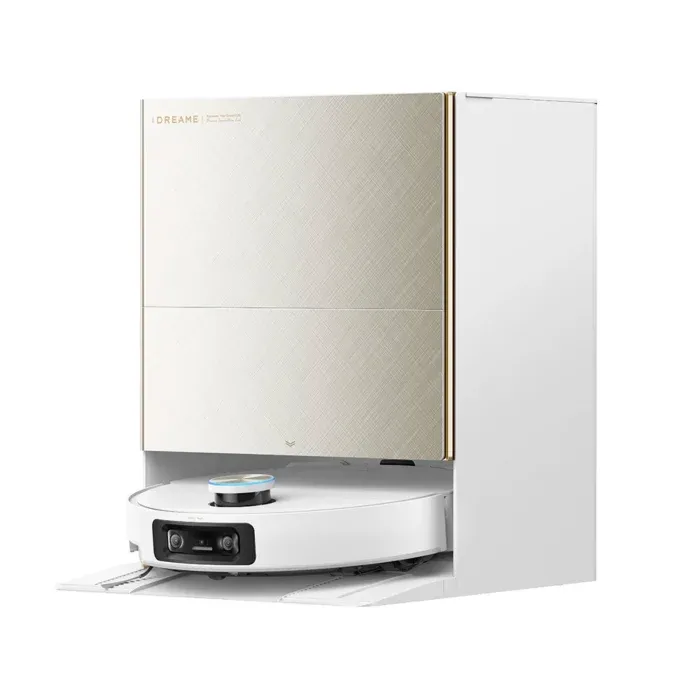
The X60 also offers up to 35,000 Pa of advertised suction, AI-driven obstacle avoidance, dual rotating mops and an advanced multifunction docking station.
The dock automatically handles several maintenance tasks, including dust collection, hot-water mop washing and heated drying.
Dreame X60 Max Ultra Complete: key specifications (as published in reviews)
- Robot height
- 79.5 mm with turret lowered
- Advertised suction
- 35,000 Pa
- Navigation
- Retractable LiDAR turret
- Battery
- 6,400 mAh
- Mopping
- Dual rotating pads
- Dock
- Multifunction: empty, wash, dry
- Mop wash water
- Up to 100 °C
Why it is suitable for small spaces
The X60 is particularly interesting for homes where usable cleaning space extends underneath low furniture.
Its retractable navigation sensor gives it a significant clearance advantage over conventional taller models: it is 12.5 mm slimmer than the next-slimmest robot here.
What to consider
Its multifunction station is considerably larger than the charging dock of the Roomba and the automatic-emptying station of the Tapo. We could not confirm Dreame’s published station dimensions for this article, so measure your space against the current spec sheet before ordering.
It is also a premium product, making it difficult to justify if your main objective is simply keeping a small apartment clean.
Android Authority’s long-term review praised its cleaning and threshold climbing but found it “required a fair number of interventions”.
Our verdict: The Dreame X60 is the best specialist choice in this comparison for reaching underneath low furniture. Its large station means it is not the best overall space-saving system.
5. Eufy X10 Pro Omni — Best Robot Vacuum and Mop for Small Homes
Best for: Apartment owners who want automated vacuuming and mopping.
The Eufy X10 Pro Omni combines robot vacuuming with automated mop maintenance.
It offers up to 8,000 Pa of advertised suction power, dual rotating mop pads, AI obstacle avoidance and an all-in-one docking station.
The station automatically empties dust, washes mop pads and dries them, reducing the amount of manual maintenance required.
Its laser mapping and camera-based obstacle avoidance also make it suitable for apartments with furniture, everyday household objects and mixed flooring.
Eufy X10 Pro Omni: key specifications (manufacturer)
- Robot dimensions
- 353 × 327 × 113.5 mm
- Advertised suction
- 8,000 Pa
- Navigation
- iPath Laser Navigation
- Obstacle avoidance
- RGB camera + LED
- Mopping
- Dual rotating pads, 180 RPM
- Dock dust bag
- 2.5 litres
- Clean water tank
- 3 litres
- Dirty water tank
- 2.7 litres
- Station dimensions
- 365 × 480 × 460 mm
- Height clearance advised
- 850 mm
- Total Space Footprint
- about 2,910 cm²
Why it is suitable for small spaces
The X10 is an attractive choice if you want to automate more than vacuuming.
For homes with predominantly hard floors, its mop-washing and drying features can reduce routine cleaning work.
What to consider
Its docking station is relatively large, measuring 365 × 480 mm at floor level. Eufy also recommends a total height clearance of 850 mm so the lid and tanks can be opened, which rules out most under-counter spots.
Its 113.5 mm height also makes it less suitable for cleaning beneath low furniture. It is the tallest robot in this comparison.
On 2026-11-22 eufy’s own store listed the X10 Pro Omni as “no longer available” and pointed to a newer model, so availability now depends on other retailers.
Our verdict: The Eufy X10 Pro Omni is a good choice for automated vacuuming and mopping, but buyers should make sure they have enough room for its station.
Robot Vacuum Dimensions Compared: Which Takes Up the Least Space?
A robot vacuum’s size is only part of the equation. The docking station can occupy more floor space than the robot itself.
| Model | Robot Width | Robot Height | Dock Type | Space Advantage |
|---|---|---|---|---|
| SwitchBot K11+ | 248 mm | 92 mm | Auto-empty | Smallest robot |
| Roomba 205 | 359 mm | 101 mm | Charging-only | No large dust tower |
| Tapo RV30 Max Plus | 330 mm | 100 mm | Auto-empty | Compact dock |
| Dreame X60 | Not confirmed | 79.5 mm* | Multifunction | Low clearance |
| Eufy X10 Pro Omni | 353 mm | 113.5 mm | Multifunction | Automated mop care |
*The Dreame measurement applies with its navigation turret lowered.
Which robot vacuum fits under the lowest furniture?
Robot height decides what it can clean under. Shorter bars are better here.
Robot height (published specification)
- Dreame X60 Max Ultra Complete
- 79.5 mm Turret lowered
- SwitchBot K11+
- 92 mm
- TP-Link Tapo RV30 Max Plus
- 100 mm
- iRobot Roomba 205 Combo
- 101 mm
- Eufy X10 Pro Omni
- 113.5 mm
Which robot has the smallest docking station?
The Roomba 205 uses a simple charging dock instead of a separate automatic dust-emptying station.
The Tapo RV30 Max Plus has a small automatic-emptying dock measuring 228 × 164 mm at floor level.
The SwitchBot K11+ also deserves consideration because of its compact robot and a station of about 240 × 180 mm that is only 250 mm tall.
Remember to allow for the manufacturer’s recommended clearance around the dock and the space needed to remove dust bags or water tanks.
What are the main robot vacuum dock types?
| Dock type | What it does | Typical floor space | Pick in this guide |
|---|---|---|---|
| Charging dock | Charges the robot only | Smallest | Roomba 205 Combo |
| Auto-empty dock | Charges and sucks the bin into a dust bag | Small to medium | SwitchBot K11+, Tapo RV30 Max Plus |
| Multifunction station | Empties dust, washes and dries mop pads, refills water | Largest, and needs lid clearance above | Dreame X60 Max Ultra Complete, Eufy X10 Pro Omni |
Which Robot Vacuum Should You Choose for Your Space?
- Choose the SwitchBot K11+ if floor area is your tightest constraint: narrow gaps between furniture, a studio, or a dock that has to sit beside a bed or desk.
- Choose the Roomba 205 DustCompactor Combo if you have nowhere to stand a tower and are happy to empty a compacted bin every month or two.
- Choose the Tapo RV30 Max Plus if you want self-emptying and long runtime at a lower price than the mop-washing models, and can spare a dock about the size of a shoebox on end.
- Choose the Dreame X60 Max Ultra Complete if most of your uncleaned floor is under low sofas, beds and cabinets, and you have a spare corner for a large station.
- Choose the Eufy X10 Pro Omni if you have mostly hard floors, want mopping handled for you, and can give the station 365 × 480 mm of floor with 850 mm of height above it.
Compact Alternatives We Have Full Reviews For
None of the five robots above is in our review database yet, so they have no BVC score. If you want a small-home robot with a full BestVacuumCleaner.co review, score breakdown and price check, these three are the closest matches. Each card reads its figures from our product database.
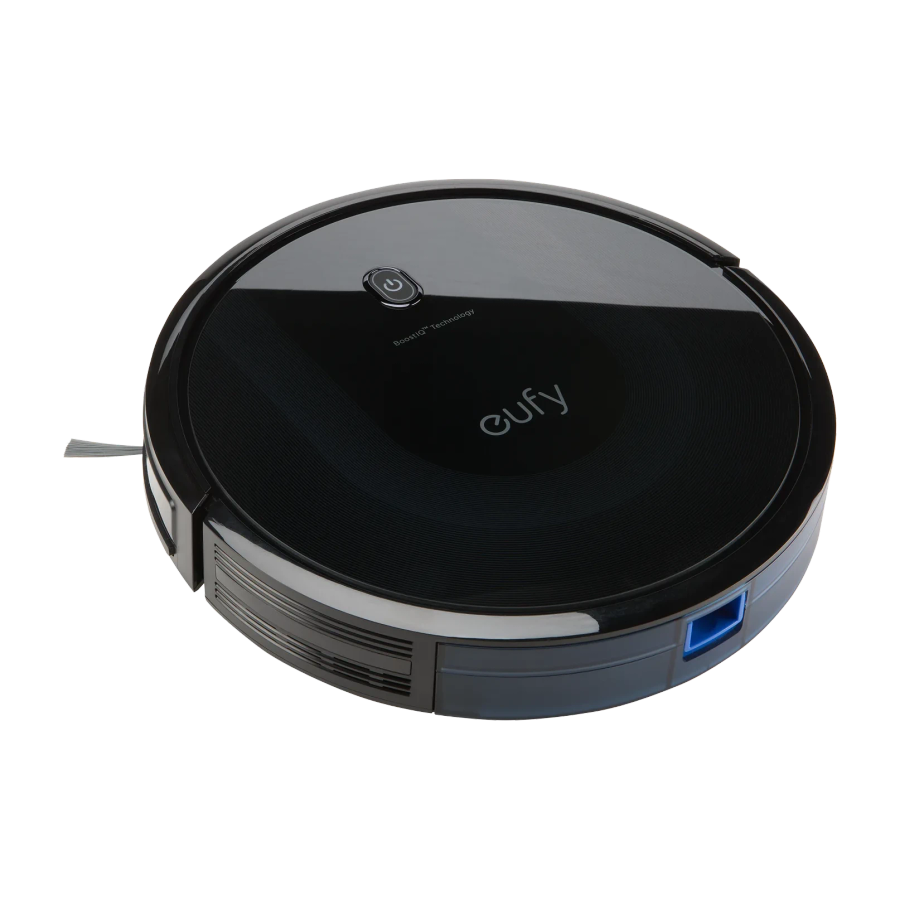
Eufy RoboVac 11S Max
The quiet, no-app, no-nonsense robot for small apartments under $200.
- NavigationBump
- Suction2,000 Pa
- DockCharging dock only
- Noise55 dB
- Best for: Studios where a charging base is all you have room for and a quiet robot matters more than app mapping
Scored from 2 independent measurements + spec sheet
Buy it if
- You want the quietest robot vacuum on the market (55 dB) that runs unobtrusively while watching TV
- You have low-clearance furniture with beds and sofas under 75 mm (2.85 inches) height
Not ideal if
- You need room-by-room smartphone app scheduling or no-go boundary zones
- You have sprawling multi-room floor plans that require laser LiDAR systematic paths
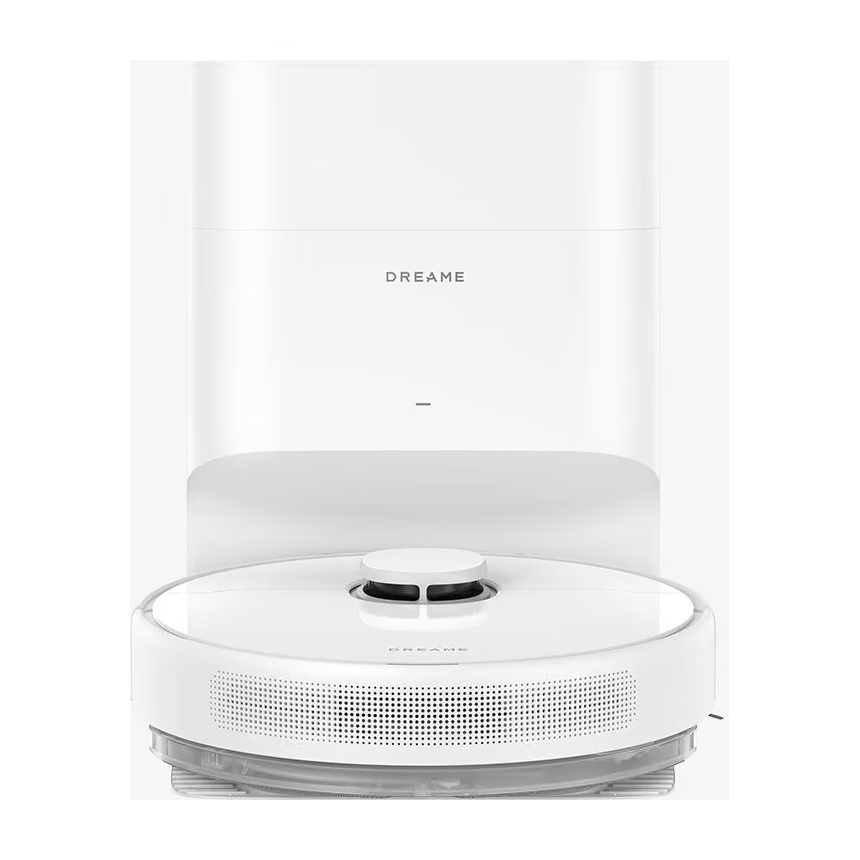
Dreame D10 Plus
LiDAR mapping and a 45-day auto-empty dock for under $300.
- NavigationLiDAR
- Suction4,000 Pa
- DockAuto-Empty
- Noise65 dB
- Best for: Small apartments that want LiDAR mapping and a self-emptying dock without a mop-washing station
Scored from 1 independent measurement + spec sheet
Buy it if
- You want real LiDAR room mapping without paying flagship prices
- Your floors are mostly hardwood, tile or low-pile carpet
- You clear cords and small obstacles before a clean — this robot has no camera avoidance
Not ideal if
- You have deep, high-pile carpet — 4,000 Pa is not enough to deep-clean it
- You want scrubbing mop pads rather than a drag-along pad
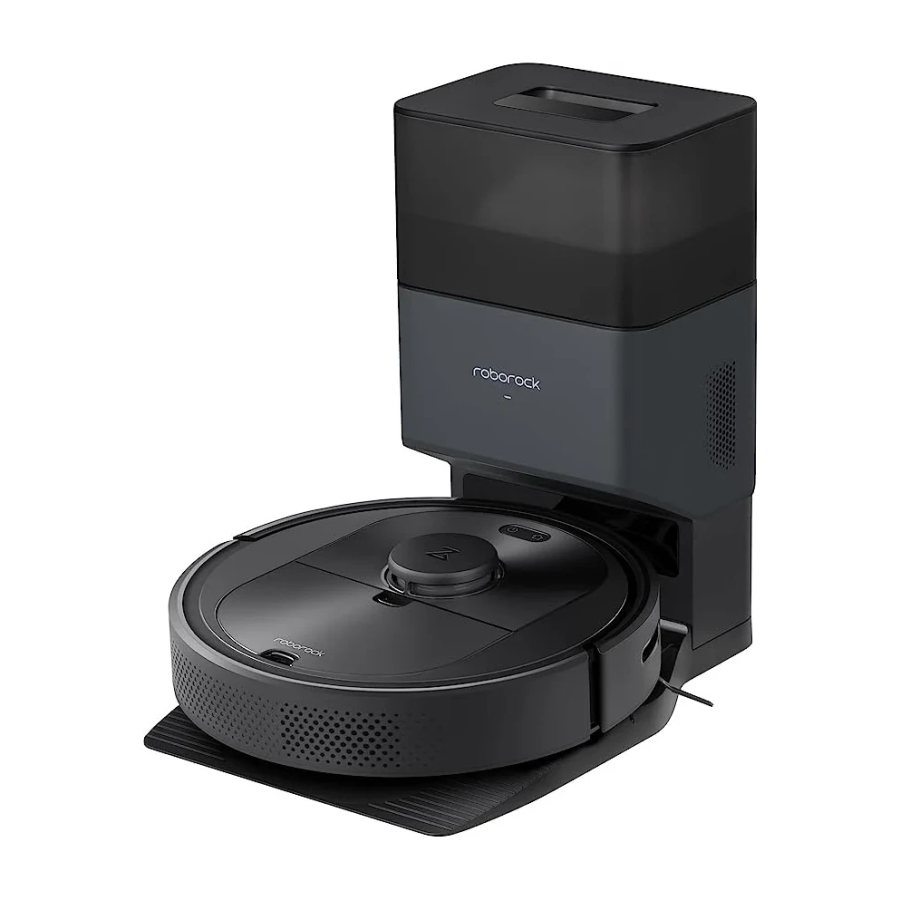
Roborock Q5 Pro
A 770 ml bin and 240-minute battery — the best vacuum-first robot under $350.
- NavigationLiDAR
- Suction5,500 Pa
- DockCharging dock only
- Noise66 dB
- Best for: Homes with pets or rugs that would rather empty a large onboard bin than find space for an auto-empty dock
Scored from 1 independent measurement + spec sheet
Buy it if
- You want dual rubber rollers and strong 5,500 Pa suction on a budget without dock complexity
- You need an extra-large 770 ml dustbin that can go days between manual dumps
Not ideal if
- You want automated hands-free dust emptying (requires the Pro+ dock version)
- You need active scrubbing mop performance on stubborn sticky floor grime
How to Choose a Robot Vacuum for a Small Apartment
Before purchasing, measure your home rather than relying on product marketing.
Five-minute measuring checklist before you buy
-
Under-furniture clearance
- Measure the lowest gap under your sofa, bed and cabinets.
- Buying a robot that matches the gap exactly: leave at least 10 mm.
-
Dock position
- Mark the dock's width and depth on the floor with tape, plus the robot parked in front.
- Check the height above it if the station has a lid or lift-out tanks.
-
Narrowest gap the robot must pass
- Measure between chair legs and between furniture and walls; compare with the robot's width.
-
Thresholds
- Measure door sills and rug edges and compare with the robot's stated crossing height.
1. Measure Your Furniture Clearance
Measure the vertical gap beneath your sofa, bed and cabinets.
Allow some additional clearance instead of selecting a robot that fits with virtually no margin.
Remember that a raised LiDAR sensor may increase the robot’s effective height. If your robot keeps wedging itself under furniture, our guide to a robot vacuum that keeps getting stuck covers the fixes.
2. Measure the Docking Station
Check the station’s width, depth and height.
For multifunction stations, also check whether you can open the lid and remove the water tanks without moving the equipment.
3. Prioritize Navigation
LiDAR mapping is useful for systematic room cleaning and creating restricted areas. Our LiDAR vs camera navigation explainer covers the difference.
Obstacle avoidance is particularly valuable around chair legs, cables and narrow furniture arrangements.
4. Choose the Right Dust Collection System
There are three main approaches:
- Charging-only dock: Usually the simplest floor-space solution.
- Automatic dust-emptying dock: More convenient, but requires additional space.
- Onboard dust compaction: Stores compressed debris inside the robot, avoiding a separate collection tower.
Our self-emptying robot vacuum guide compares auto-empty docks in more depth.
5. Match Cleaning Features to Your Floors
If your apartment has mostly hard flooring, a basic vacuum-and-mop model may be sufficient.
If you have carpets, pets or substantial everyday debris, prioritize brush design, actual cleaning results and maintenance requirements rather than suction specifications alone. Advertised pascal figures are not measured the same way by every brand; see what counts as good suction power.
6. Think About Noise
In a studio the robot is always in the room with you. Check the rated noise level and schedule cleaning for when you are out. Our quiet robot vacuum guide ranks models by rated decibels.
Final Verdict: The Best Robot Vacuum for Your Small Space
The right robot vacuum should make a small home easier to maintain, not create another storage problem.
Our recommendations are:
- SwitchBot K11+: Best overall for compact robot dimensions.
- iRobot Roomba 205 DustCompactor Combo: Best for avoiding a bulky self-emptying dock.
- TP-Link Tapo RV30 Max Plus: Best value with automatic dust collection.
- Dreame X60 Max Ultra Complete: Best for low-clearance furniture.
- Eufy X10 Pro Omni: Best for automated vacuuming and mopping.
The bottom line: If your apartment is particularly small, start by comparing the SwitchBot K11+ and Roomba 205. The SwitchBot prioritizes a smaller robot, while the Roomba prioritizes a smaller docking setup. If you want automatic dust collection at a competitive price, consider the Tapo RV30 Max Plus.
Measure the robot, the dock and the available clearance before making your final decision.
How we selected these products
This ranking uses an editorial assessment of manufacturer-published dimensions, docking design, navigation features, cleaning specifications, maintenance requirements and available independent product reviews. It is not a claim that all five models were physically tested by BestVacuumCleaner.co. Our scoring and evidence rules are on the methodology page.
Total Space Footprint figures are our own arithmetic on the published dimensions listed below; they are calculations, not measurements.
Product specifications can vary by region and may change. Check the manufacturer’s current documentation and retailer listing before purchasing.
Prices and availability are retailer-dependent.
Sources (each opened 2026-11-22)
- iRobot: Roomba 205 DustCompactor Combo product page (US) and UK page for dimensions in centimetres.
- TP-Link: Tapo RV30 Max Plus specifications. TP-Link lists the dock as 228 × 164 × 330 mm without labelling the axes; we read the first two figures as the floor footprint.
- eufy: X10 Pro Omni and Omni Station dimensions and the X10 Pro Omni product page.
- SwitchBot K11+: SwitchBot’s own site could not be opened, so its figures come from published reviews that list them: Ideal Home, Expert Reviews and Smart Home Compared.
- Dreame X60 Max Ultra Complete: Dreame’s own site could not be opened, so its figures come from Android Authority’s review and Notebookcheck’s launch report.
For more picks chosen from our own product database, see the compact robot vacuums for small apartments guide, whether a robot vacuum is worth it in a small apartment and the main best robot vacuum ranking. Every robot we cover is listed in the robot vacuums hub.
Frequently Asked Questions
What is the best robot vacuum for small spaces in 2026?
The SwitchBot K11+ is our top recommendation for small spaces because its robot measures only 248 × 248 mm and its auto-empty dock covers about 24 × 18 cm of floor. The iRobot Roomba 205 DustCompactor Combo is the alternative for people who want to avoid a self-emptying dock altogether.
What is the smallest robot vacuum in this comparison?
The SwitchBot K11+ has the smallest robot footprint in this comparison at 248 × 248 mm, about 8 to 11 cm narrower than the other four robots. Reviews that list its specifications give the height as 92 mm.
Which robot vacuum has the smallest docking station?
The iRobot Roomba 205 DustCompactor Combo uses a plain charging dock, because it compacts debris inside the robot. Among auto-empty docks, the TP-Link Tapo RV30 Max Plus dock is listed at 228 × 164 × 330 mm and the SwitchBot K11+ dock at about 240 × 180 × 250 mm.
What is a Total Space Footprint?
Total Space Footprint is BestVacuumCleaner.co's name for the floor area a robot vacuum system needs: the robot's footprint plus its dock's footprint, calculated from published dimensions. It shows that a small robot with a large station can take more room than a larger robot with a small dock.
How much space does a robot vacuum dock need?
A charging-only dock needs little more than the robot's own width. Auto-empty docks in this comparison cover roughly 370 to 430 cm² of floor, while the eufy X10 Pro Omni station covers about 1,750 cm² and eufy recommends 850 mm of total height clearance so the lid and tanks can be opened.
Are robot vacuums good for studio apartments?
Yes. Robot vacuums can be particularly useful in studios because they can clean regularly without requiring much daily effort. Compact models with systematic mapping are especially practical in smaller floor plans.
What is the best slim robot vacuum for cleaning under furniture?
The Dreame X60 Max Ultra Complete is the slimmest robot here at 79.5 mm (3.13 inches) with its navigation turret lowered. Always measure your furniture clearance before buying and leave a margin of a centimetre or more.
How much clearance does a robot vacuum need under a sofa or bed?
Take the robot's published height and add at least 10 mm. The five robots here range from 79.5 mm (Dreame X60 Max Ultra Complete, turret lowered) to 113.5 mm (eufy X10 Pro Omni), so a 100 mm gap fits the Dreame and the SwitchBot K11+ but not the eufy.
Is an automatic self-emptying station necessary?
No. A self-emptying station is convenient, but it is not essential. A conventional charging dock or an onboard dust-compaction system can be more practical when space is limited.
Should I choose a robot vacuum with a mop?
If you have mostly hard floors, mopping can be a useful additional feature. However, basic wet-mopping attachments and automated mop-washing systems offer very different levels of convenience, and the stations that wash and dry mops are the largest docks in this comparison.
Did BestVacuumCleaner.co test these five robot vacuums?
No. This comparison is an editorial assessment of manufacturer-published dimensions and specifications plus published reviews from other outlets, each linked in the sources list. It is not a claim that the five models were physically tested by BestVacuumCleaner.co.
Related In-Depth Articles & Analysis
Related Buying Guides
If you buy through a link on this page, we may earn an affiliate commission at no extra cost to you. How we’re funded →