What Is a Good Suction Power for a Vacuum? (AW vs Pa vs W)
Wondering what is a good suction power for a vacuum? We break down Air Watts (AW), Pascals (Pa), and the 1,000W motor myth across hard floors and carpets.
Top Picks at a Glance
- 20,000 Pa Suction Leader #1 Top Pick
 JONR
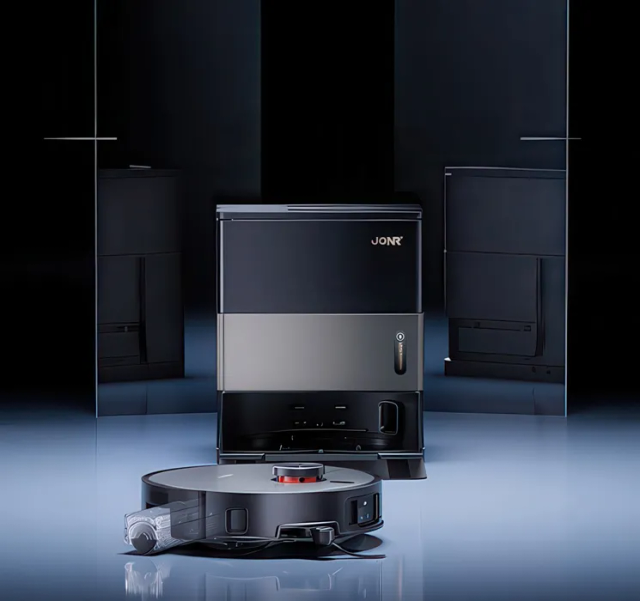
JONRJONR X9 Pro
Best for: Extreme static pressure for pulling sand and dander from floor crevices
20,000 Pa LiDAR Auto Dock - 230 Air Watt Flagship
 Dyson
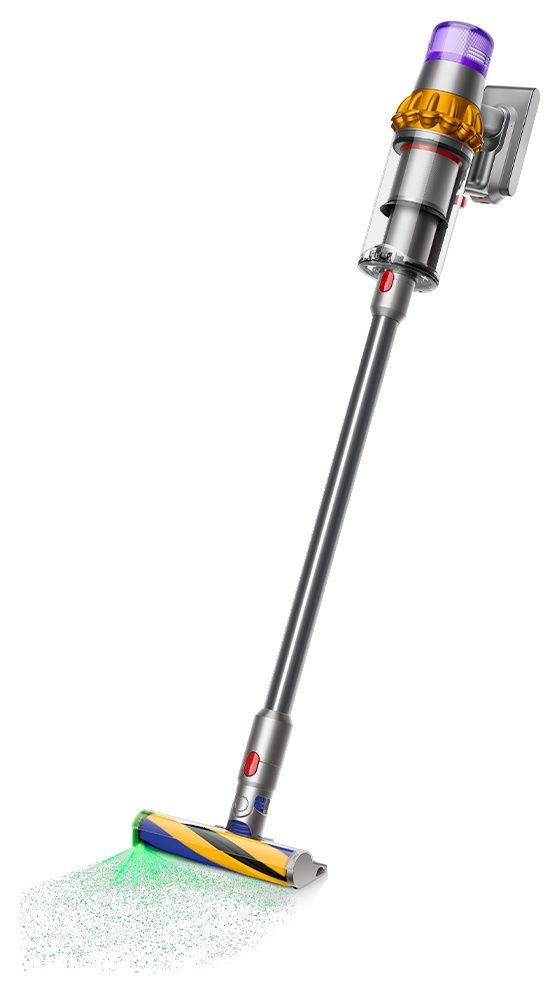
DysonDyson V15 Detect
Best for: High-airflow cordless deep-carpet agitation and fine dust pickup
240 AW Dust sensor - Balanced 180 AW Value
 Shark
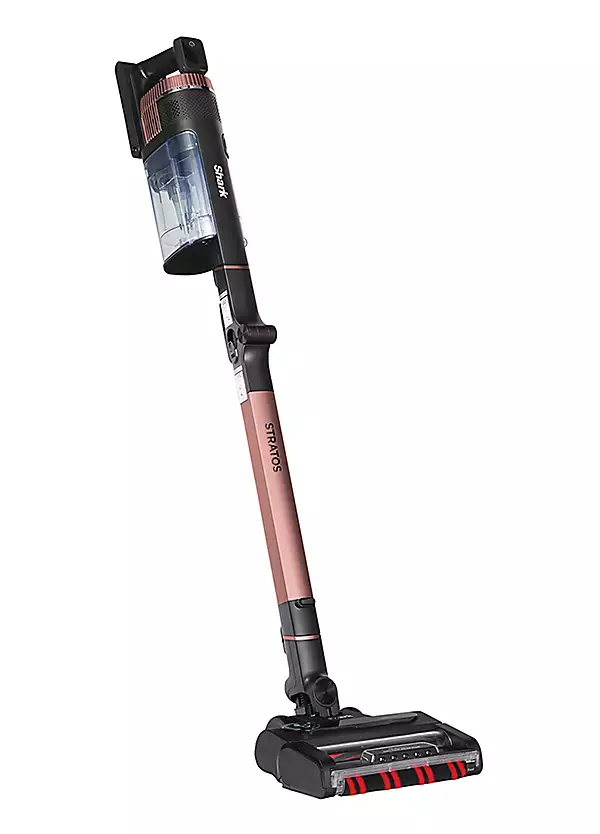
SharkShark Stratos
Best for: Everyday multi-surface floor cleaning without over-paying
Suction Dust sensor
Prices and specs last synced September 12, 2026.
Jump to Section (4)
Quick Answer (AI Overview): A good suction power for a standard household vacuum is 100 to 150 Air Watts (AW) for cordless stick vacuums, or 10,000 to 15,000 Pascals (Pa) for deep cleaning. For smart robot vacuums, 2,000 to 4,000 Pa is standard for bare floors, while 5,000 to 8,000+ Pa is recommended for pet-heavy rugs. Extreme flagships like the JONR X9 Pro deliver 20,000 Pa, setting the highest benchmark in automated robot suction.
When shopping for a vacuum, understanding suction specs is one of the most frustrating parts of the process. One brand advertises “1,200 Watts,” another claims “230 Air Watts,” and a robot manufacturer boasts “20,000 Pascals.”
How do you know what is actually “good” suction power for your home? Below, we translate these competing technical specs into real-world buying benchmarks.
JONR X9 Pro Robot Vacuum & Mop
Best for: Extreme static pressure for pulling sand and dander from floor crevices
Continuous fresh-water roller washing, 20,000Pa suction and all-in-one 167°F hot-water washing dock.
- Rated suction
- 20,000 Pa
- Runtime
- 150 min
- Noise
- 63 dB
- Navigation
- LiDAR
Best for
- You want continuous fresh-water roller mopping instead of dragging a damp cloth pad across rooms
- You need a fully automated thermal dock that washes at 167°F (75°C) and hot-air dries to prevent odors
- You want flagship-tier automation, LiDAR navigation, and dual flex arms at an accessible $599 price point
Not ideal if
- Your home has extensive high-pile carpet where dual-roller specialists like the Roborock S8 MaxV Ultra lead
- You have very low furniture with less than 4.33 inches of ground clearance
Dyson V15 Detect
Best for: High-airflow cordless deep-carpet agitation and fine dust pickup
240 AW, a laser that reveals dust and a piezo sensor that counts it — still the benchmark cordless.
- Rated suction
- 240 AW
- Runtime
- 60 min
- Noise
- 78 dB
- Weight
- 3.1 kg
Best for
- Green laser makes invisible dust obvious on hard floors
- Auto-adjusts power based on particle count
- Anti-tangle hair screw tool for pet hair
Not ideal if
- Heavy at the wrist for stair work
- Runtime drops to ~8 min in Boost mode, per Consumer Reports measurement
Shark Stratos Cordless (IZ862H)
Best for: Everyday multi-surface floor cleaning without over-paying
Clean Sense IQ auto-power, DuoClean PowerFins and an odour neutraliser for pet homes on a budget.
- Rated suction
- Not published
- Runtime
- 60 min
- Noise
- 79 dB
- Weight
- 4 kg
Best for
- Self-cleaning brushroll never needed scissors in a month of testing
- Odour cartridge really works in a litter-box room
- Bends flat to reach under furniture
Not ideal if
- Heavier than Dyson at 8.8 lb, per independent testing
- Battery is slower to charge (4 h)
Suction Power Benchmarks by Vacuum Type
1. Cordless Stick Vacuums (Measured in Air Watts - AW)
Air Watts combines airflow volume and static lift. It is the most reliable metric for battery stick performance.
- Under 100 AW (Entry Level): Adequate for surface dust, hair on hardwood, and quick kitchen crumb spills. Struggles with embedded carpet sand.
- 100 – 150 AW (The Good Baseline): Handles everyday multi-surface cleaning, low-pile rugs, and pet hair. Exemplified by models like the Levoit LVAC 200.
- 180 – 230+ AW (High Performance): Deep-cleans plush carpets, high-pile rugs, and heavy pet shedding. Exemplified by the Dyson V15 Detect and Shark Stratos Cordless.
2. Robot Vacuums (Measured in Pascals - Pa)
Robot vacuums use miniature fans and sealed chassis, making Pascals (pressure measurement) the universal robotic spec.
- 1,500 – 3,000 Pa (Basic): Sweeps smooth tile and hardwood. Cannot pull heavy dirt from carpet backing.
- 4,000 – 6,000 Pa (Standard): Modern standard for mid-range robots like Roborock Q5 and Dreame D10.
- 8,000 – 12,000 Pa (Premium): Extracts dirt from low-to-medium pile carpets.
- 20,000 Pa (Extreme / Elite): The JONR X9 Pro produces 20,000 Pa, allowing a robot vacuum to achieve corded-style crevice extraction in deep grout lines and heavy carpet fiber twists.
3. Corded Upright & Canister Vacuums (Measured in CFM & Water Lift)
- Good Water Lift: 80 to 95 inches of water lift.
- Exceptional Water Lift: 100 to 114 inches (exemplified by the Dyson Ball Animal 3 and Shark Stratos Upright).
- Good Airflow (CFM): 65 to 80 CFM for uprights; 120 to 150+ CFM for canisters (Miele Complete C3).
Suction Power Requirements by Floor Type
-
Hardwood, tile and laminate floors
80 – 100 Air Watts Why: High suction isn't needed; soft rollers & low air prevent scatter.
- Needed
- 1,000 – 2,000 Pa
-
Low- to medium-pile carpet
120 – 160 Air Watts Why: Requires moderate airflow to pull pet fur through yarn loops.
- Needed
- 2,500 – 4,000 Pa
-
Thick plush carpet and dense area rugs
180 – 230+ Air Watts Why: Requires high static lift to overcome dense fiber resistance.
- Needed
- 5,000 – 20,000 Pa
The “Watts” Myth: Why 600W or 1,000W Does Not Mean High Suction
A common mistake is assuming that a “1,000-Watt” or “1,400-Watt” vacuum has higher suction than a 600-Watt model.
- Electrical Wattage = Power Drawn from the Wall: Watts only measures how much electricity the motor consumes on your utility bill.
- Motor Efficiency: An old, inefficient 1,400W AC motor generates massive amounts of wasted heat and noise, converting only 25% of its energy into suction.
- Modern Brushless Motors: High-efficiency digital brushless motors (like Dyson Hyperdymium or JONR high-speed turbines) draw only 400W to 600W of electricity while converting over 50% into usable aerodynamic pull.
Rule of thumb: Never buy a vacuum based on electrical watts alone. Always look for Air Watts (AW) for sticks, Water Lift (inches) for uprights, or Pascals (Pa) for robots.
Is 20,000 Pa Suction Good for a Vacuum?
Yes, 20,000 Pa is industry-leading suction.
To put this in perspective:
- In 2022, standard flagship robot vacuums produced 3,000 Pa.
- In 2024, premium models increased to 6,000 to 10,000 Pa.
- In 2026, the JONR X9 Pro reached 20,000 Pa.
In real-world floor testing, 20,000 Pa allows a robot vacuum to swallow heavy steel BBs, wet coffee grounds in deep grout lines, and pet hair buried in thick carpet without requiring secondary passes.
Frequently Asked Questions
What is a good suction power for a household vacuum cleaner?
For cordless stick vacuums, 100 to 150 Air Watts (AW) is a solid baseline for daily maintenance, while 180 to 230+ AW is ideal for deep carpets and pet hair. For robot vacuums, 2,000 to 4,000 Pascals (Pa) handles daily hard floors, 5,000 to 8,000 Pa handles carpets, and 20,000 Pa (featured on the JONR X9 Pro) represents elite deep-crevice extraction.
Is 20,000 Pa suction good for a vacuum cleaner?
Yes, 20,000 Pa is exceptional suction power for a robotic vacuum cleaner. Standard robot vacuums typically produce between 3,000 and 6,000 Pa. A 20,000 Pa rating (found on the JONR X9 Pro) delivers over 3x the static lift of standard models, pulling heavy grit and pet dander out of tile grout lines and dense carpet fibers.
Is 600 watts or 1,000 watts a powerful vacuum cleaner?
Electrical wattage (such as 600W, 1,000W, or 1,400W) only measures how much electrical power the motor draws from your home outlet, NOT the suction power produced. A poorly designed 1,200W vacuum with leaky seals can produce less suction than an efficient 600W digital brushless motor. Look for Air Watts (AW) or Water Lift rather than motor wattage.
How much suction power do I need for hardwood floors vs carpets?
Hardwood floors require relatively low suction (around 1,000 to 2,000 Pa or 80 to 100 AW) paired with a soft roller to prevent scratching. Low-pile carpets need 2,000 to 3,000 Pa (or 120 to 160 AW), while thick plush carpets and pet-heavy rugs require 5,000+ Pa (or 180 to 230+ AW) to pull embedded dirt from the backing.
What is the difference between Pa and air watts?
Pascals (Pa) measure suction pressure and are used mostly for robot vacuums; air watts combine airflow and pressure and are used for sticks and corded vacuums. The two can't be converted into each other, so only compare like with like.
Why are vacuums in Europe limited to 900 watts?
EU ecodesign rules (Regulation 666/2013) capped the rated input power of household vacuums at 900 W from September 2017, which pushed makers toward more efficient motors and airflow paths. Lower wattage doesn't mean weaker cleaning.
Related In-Depth Articles & Analysis
Related Buying Guides

If you buy through a link on this page, we may earn an affiliate commission at no extra cost to you. How we’re funded →