Why Does My Vacuum Smell Bad? Causes & 5 Fixes (2026)
Why does your vacuum smell like wet dog, mildew or burning rubber? Match the smell to its cause, then follow five step-by-step fixes to make it smell clean.
Jump to Section (6)
Quick answer: A smelly vacuum almost always has something dirty or damp trapped inside it: a filter that went back in wet, pet hair rotting in the bin, or debris stuck in the hose. Empty and wash the bin, wash or replace the filter, clear the brushroll and hose, and let everything dry for at least 24 hours. A burning smell is different: switch off and unplug the vacuum before you do anything else.
You rarely need a new vacuum to fix a bad smell. Most odors come from parts you can clean at home with water, scissors and a day of drying time.
Start by naming the smell. It tells you where to look.
Identify the Smell
-
Stop now
Burning rubber
- Likely cause
- On vacuums with a drive belt, a brushroll jammed with hair or carpet fibre makes the belt slip and overheat.
- What to do
- Switch off and unplug. Clear the brushroll, and replace the belt if it looks stretched, glazed or cracked.
-
Stop now
Hot plastic, electrical or smoke
- Likely cause
- The motor or wiring is overheating, often because airflow is blocked or a component has failed.
- What to do
- Unplug it and let it cool. If the smell returns after you clear blockages, stop using it and contact the manufacturer.
-
Wet dog or musky
- Likely cause
- Pet hair and dander, which carry skin oils, coating the bin, filter and hose.
- What to do
- Wash the bin and filter, then clean the hose.
-
Sour, mildew or damp
- Likely cause
- A washable filter went back in before it was completely dry, or the vacuum picked up something wet.
- What to do
- Wash the filter again and let it dry for at least 24 hours.
-
Rotten or spoiled food
- Likely cause
- Food or wet debris is decaying in the bin, bag or hose.
- What to do
- Empty and wash the bin, replace the bag, and flush the hose.
-
Stale dust
- Likely cause
- A clogged or worn-out filter, an overfull bag, or a seal that lets dust escape.
- What to do
- Replace the filter or bag and check the rubber seals around the bin.
When a Smell Means Stop
Any burning smell, smoke or sparks means you should switch the vacuum off and unplug it immediately. Then:
- Let it cool until it’s cool to the touch before you handle the brushroll or motor area.
- Check for a jam. Turn the vacuum over and look for hair, string or carpet fibre wound around the brushroll. Clear it as described in step 3, or see brush roll not spinning.
- Inspect the belt, if your vacuum has one. Many corded uprights do; most cordless sticks drive the brushroll with a small motor instead. A stretched, glazed or cracked belt needs replacing.
- Check for blockages in the hose and filter. Restricted airflow makes the motor run hot.
- Stop using it if an electrical or hot-plastic smell returns after these checks. Contact the manufacturer or an authorized repair shop rather than running it again.
How to Fix a Smelly Vacuum in 5 Steps
Work through these in order with the vacuum unplugged, or the battery removed on a cordless model. Steps 1 to 4 remove the source of the smell. Step 5 stops it from coming straight back.
Step 1: Empty and Wash the Dustbin
Dust and pet hair leave an oily film on the bin walls, and that film holds odor even after you empty it.
- Empty the bin into an outdoor trash can, or replace the bag on a bagged vacuum.
- Detach the bin and wash it in warm, soapy water, unless your manual says otherwise.
- Wipe parts that contain electronics, or a cyclone assembly your manual says not to submerge, with a damp cloth instead.
- Scrub any mesh screen gently with an old toothbrush.
Step 2: Wash or Replace the Filters
Filters trap the finest dust. When they stay damp, they’re the most common source of a sour, mildew smell.
- Check the label. Wash only filters marked washable. Replace the rest, including most HEPA filters.
- Rinse washable filters under cold running water until the water runs clear. Don’t use soap or detergent unless your manual allows it.
- Tap out the excess water gently. Don’t wring or twist the filter.
- Leave it to air-dry for at least 24 hours, out of direct heat. Never put it in a dryer, oven or microwave.
For brand-specific instructions, see how to clean and wash vacuum filters.
Step 3: Clear the Brushroll
Hair wrapped around the brushroll traps odor, and on belt-driven vacuums it can jam the roller and burn the belt.
- Remove the brushroll. Many floorheads use a coin-slot latch or a release button.
- Cut along the roller’s groove with scissors or a seam ripper, then pull the loose hair away.
- Pull off the end caps, if they come off, and clear the hair wound around the axle underneath.
- Spin the roller by hand. It should turn freely without catching.
Step 4: Clean the Hose and Attachments
Hoses have ridges inside that catch damp dust, hair and crumbs, which rot out of sight.
- Detach the hose and check for blockages by dropping a coin through it. For stubborn clogs, see how to unclog a vacuum hose.
- Wash it only if it has no wiring. Powered hoses that carry electricity, such as those on some canister vacuums, should be wiped, never soaked.
- Flush a non-electric hose with warm water and a splash of white vinegar, then rinse with clean water.
- Wash crevice tools and brushes the same way.
Step 5: Dry Everything Before You Reassemble
Putting damp parts back in is the main reason a smell returns within days.
- Hang the hose so water can drain from both ends.
- Let every washed part dry for at least 24 hours in a well-ventilated room.
- Reassemble only when each part feels completely dry to the touch, then run the vacuum for a minute to confirm the smell is gone.
Keep the Smell from Coming Back
- Empty the bin after every use, especially after picking up pet hair.
- Never vacuum anything wet with a dry vacuum. Use a wet-dry floor cleaner for spills instead.
- Wash or replace filters on schedule. Your manual lists the interval, and pet homes need it more often.
- Store the vacuum somewhere dry, not in a damp garage or basement.
- Follow a routine. Our vacuum maintenance checklist covers what to clean and when.
- Skip fine powders such as baking soda unless your manual allows them, because they can clog filters. A scented cotton ball in the bag or bin is a gentler freshener.
- Consider a model with an odor neutralizer if you have pets. The Shark Stratos Cordless, for example, has one built in.
Robot or Wet-Dry Vacuum Smells?
These machines smell for different reasons, usually dirty water or a damp mop and roller, so they have their own guides:
If your vacuum has also lost power, the same clogs are often to blame. See why your vacuum is losing suction.
Replacing Your Vacuum?
Most smelly vacuums only need a thorough clean. If yours is old, damaged or still smells after every step above, these two models make odor easier to manage:
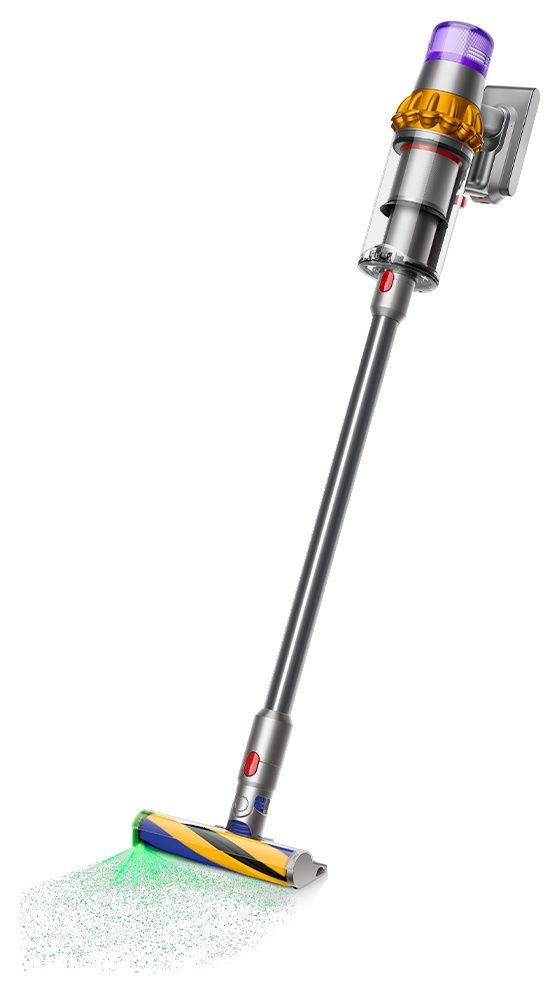
Dyson V15 Detect
Best for: Washable filters and a see-through bin that shows when it needs emptying
240 AW, a laser that reveals dust and a piezo sensor that counts it — still the benchmark cordless.
- Rated suction
- 240 AW
- Runtime
- 60 min
- Noise
- 78 dB
- Weight
- 3.1 kg
Best for
- Green laser makes invisible dust obvious on hard floors
- Auto-adjusts power based on particle count
- Anti-tangle hair screw tool for pet hair
Not ideal if
- Heavy at the wrist for stair work
- Runtime drops to ~8 min in Boost mode, per Consumer Reports measurement
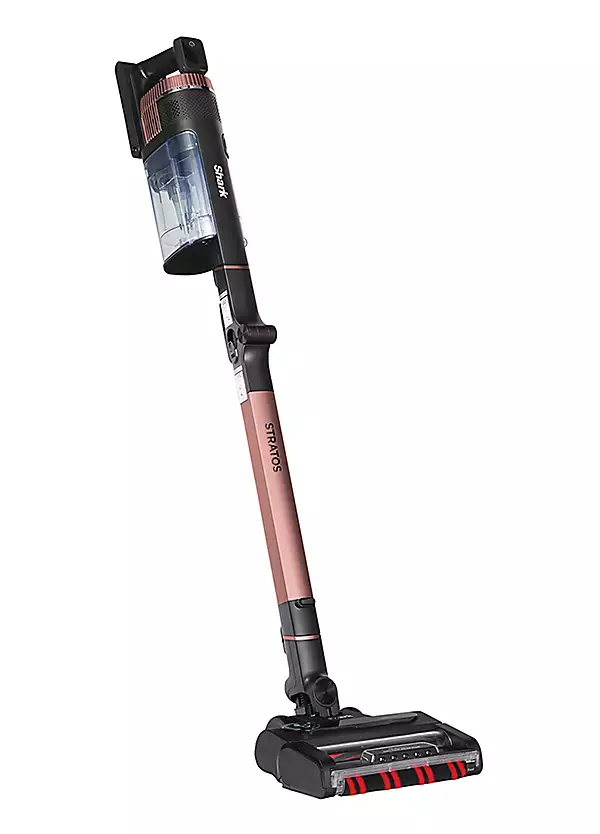
Shark Stratos Cordless (IZ862H)
Best for: Pet homes that want an odor-neutralizer cartridge built in
Clean Sense IQ auto-power, DuoClean PowerFins and an odour neutraliser for pet homes on a budget.
- Rated suction
- Not published
- Runtime
- 60 min
- Noise
- 79 dB
- Weight
- 4 kg
Best for
- Self-cleaning brushroll never needed scissors in a month of testing
- Odour cartridge really works in a litter-box room
- Bends flat to reach under furniture
Not ideal if
- Heavier than Dyson at 8.8 lb, per independent testing
- Battery is slower to charge (4 h)
Frequently Asked Questions
Why does my vacuum smell bad when I turn it on?
Usually because something inside it is dirty or damp: a filter that was put back before it dried, pet hair and food rotting in the bin, or debris stuck in the hose. Warm air from the motor blows that smell into the room. Empty and wash the bin, wash or replace the filter, and let everything dry for at least 24 hours.
Why does my vacuum smell like a wet dog?
Pet hair and dander carry skin oils. They collect on the bin, filter and hose, and warm exhaust air spreads the smell. Empty the bin after every pet-hair session and wash the filter more often than the manual's minimum.
Is a burning smell from a vacuum dangerous?
It can be. Switch the vacuum off and unplug it straight away. On vacuums with a drive belt, a jammed brushroll can make the belt slip and smell of burning rubber; clearing the jam and replacing a damaged belt usually fixes it. A hot electrical or plastic smell, smoke or sparks point to the motor or wiring: stop using the vacuum and contact the manufacturer.
Can I put baking soda or essential oils in my vacuum?
Check your manual first. Fine powders such as baking soda can clog filters, so many owners avoid vacuuming them. A gentler option is to clean the vacuum properly, then place a scented cotton ball or a manufacturer-approved freshener in the bag or bin.
How often should I wash my vacuum filter?
Follow the schedule in your manual. Many washable filters need rinsing about once a month, and more often in homes with pets. Filters that aren't marked washable, including most HEPA filters, should be replaced rather than washed.
Related In-Depth Articles & Analysis
Related Buying Guides

If you buy through a link on this page, we may earn an affiliate commission at no extra cost to you. How we’re funded →