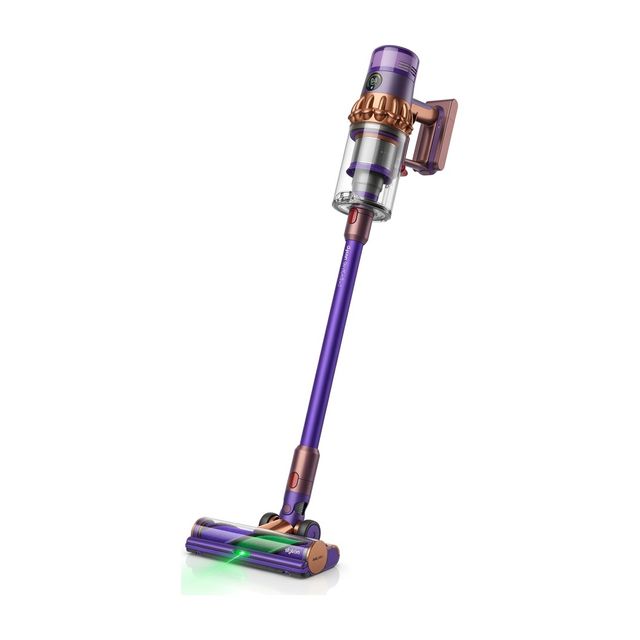
By design, a wet-dry floor washer collects dirty organic slurry and soaks its cleaning roller. If that roller sits sealed inside a dark plastic dock without rapid drying, mildew and bacteria bloom within 12 hours, giving off a sour "rotten mop" smell. Here is the guaranteed protocol to keep it smelling factory-fresh.
Interactive Symptom Path Finder
Select what your vacuum is doing right now to jump straight to the exact step:
Empty and Rinse the Dirty Water Tank Immediately
Key Action: Never let dirty water sit in the tank after a cleaning run
Dirty water contains food crumbs, grease, and pet hair. Left at room temperature, it turns foul within hours.
Action Checklist:
- Dump the dirty water tank immediately when finishing your floors.
- Rinse the float assembly and wipe the internal canister with warm water.
Run the Automated Self-Clean Cycle Promptly
Key Action: Flush the internal suction neck before grime dries
Always dock the vacuum immediately after cleaning and press the "Self-Clean" button to flush high-speed clean water through the roller and suction tube.
Action Checklist:
- Ensure the clean water tank has sufficient water before starting.
- Let the cycle run to 100% completion.
Enable Hot-Air Drying or Air-Dry on Storage Stand
Key Action: Guarantee zero residual moisture in the microfibre nap
A self-clean cycle only washes the roller—it still leaves it soaked. If your dock lacks hot-air drying, you must dry the roller manually.
Action Checklist:
- If your dock has hot-air drying, verify it runs for at least 2 to 3 hours.
- If no heated drying, pop the roller out and stand it upright on the included drying tray in a sunny, ventilated area.
Never Store the Roller Damp Inside the Machine
Key Action: Prevent mold growth in dark enclosed crevices
Sealing a damp roller under the plastic splash hood creates a terrarium for anaerobic bacteria.
Action Checklist:
- Always pop the roller out to dry if you will not be using the vacuum again within 24 hours.
Wipe the Cleaner Head and Squeegee Chamber
Key Action: Scrub trapped hair sludge from the underside cavity
Wet pet hair and gunk accumulate in the narrow suction throat directly behind the roller, which the self-clean cycle cannot fully dislodge.
Action Checklist:
- Remove the roller and wipe down the interior plastic walls and squeegee blade with a damp paper towel.
Refresh the Clean Water Tank Weekly
Key Action: Avoid stagnant water buildup in the supply reservoir
Water sitting in the clean tank for over two weeks can develop musty algae or biofilm.
Action Checklist:
- Dump and refill with fresh tap water weekly.
FAQ Troubleshooting Answers
Frequently Asked Questions
Does hot-air drying completely prevent wet-dry vacuum smells?
Yes! Bacteria cannot multiply without moisture. Docks that dry the roller with 50 °C hot air completely eliminate the sour mop smell.
Can I use vinegar in my wet-dry vacuum clean water tank?
Avoid regular vinegar. Acidity damages the silicone rubber seals inside the water pump and valve assembly.
Is It Time to Upgrade Instead of Repair?
If your vacuum cleaner is more than 5 years old, has recurrent motor loss, or replacement parts exceed 40% of its value, modern replacements deliver dramatically higher suction, tangle-free brushrolls, and sealed HEPA filtration.