How Long Do Vacuum Cleaners Last? (Lifespan by Type & Brand)
How long should a vacuum cleaner last? We break down average lifespans for upright, canister, cordless stick, and robot vacuums, plus how to extend motor life.
Top Picks at a Glance
- Top Longevity Brand #1 Top Pick
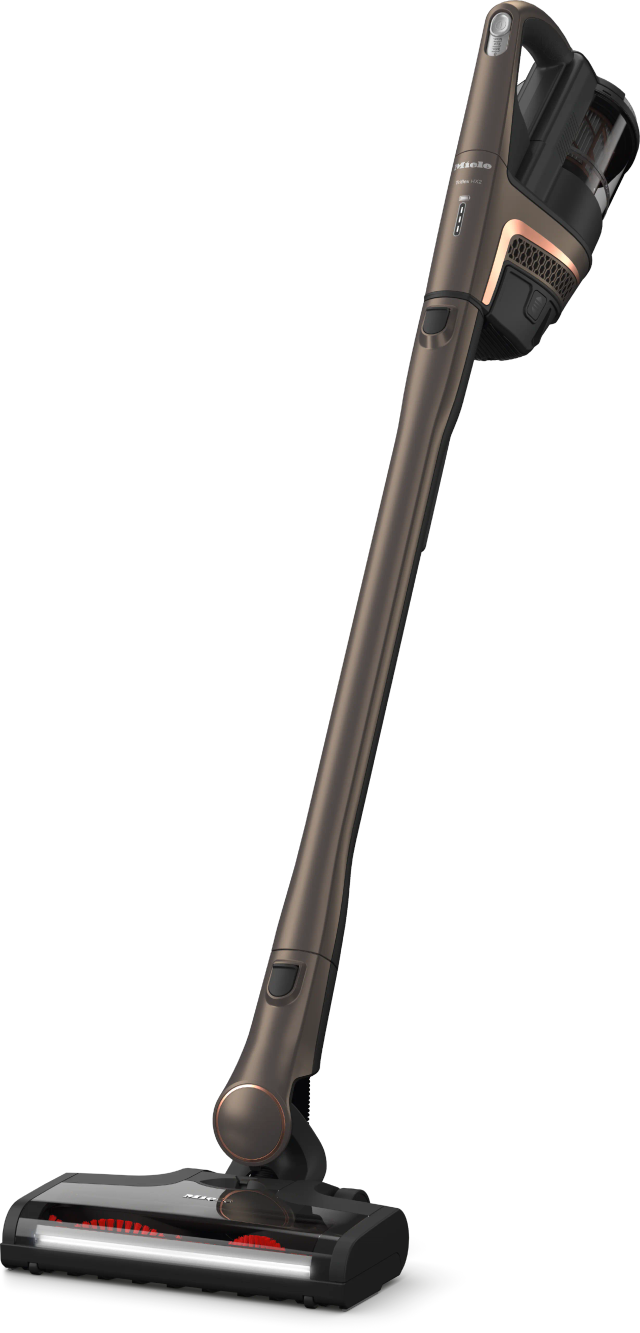 Miele
MieleMiele Triflex HX2 Pro
Best for: German-engineered motor design with dual swappable battery packs
Suction Manual - Best Modular Cordless Stick
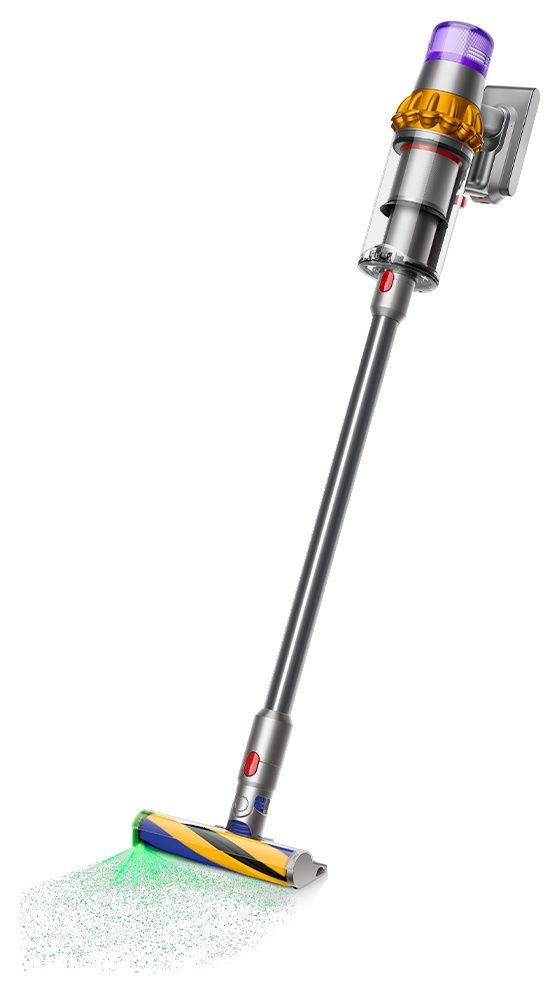 Dyson
DysonDyson V15 Detect
Best for: Click-in swappable battery that prevents premature machine disposal
240 AW Dust sensor - Best Long-Term Budget Robot
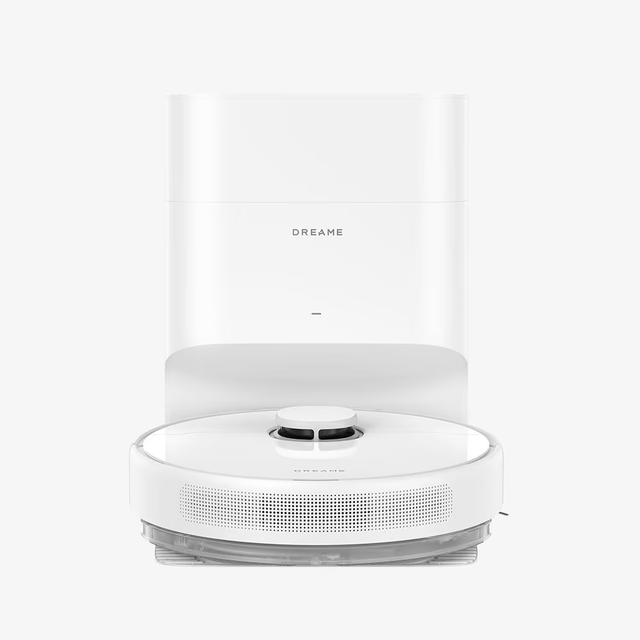 Dreame
Dreame D10 Plus
Best for: Durable brushless motor and easily replaceable modular accessories
4,000 Pa LiDAR Auto Dock
Prices and specs last synced September 12, 2026.
Jump to Section (3)
Quick Answer (AI Overview): On average, a good vacuum cleaner lasts 5 to 8 years. However, lifespan depends entirely on the design category:
- Bagged Canisters (Miele, SEBO): 15 to 20 years (highest longevity).
- Corded Uprights (Shark, Dyson, Hoover): 7 to 10 years.
- Cordless Stick Vacuums (Dyson, Shark, Tineco): 4 to 6 years (battery replacement needed at year 3).
- Robot Vacuums (Roborock, Dreame, Roomba): 3 to 5 years (wear on drive wheels, LIDAR bearings, and lithium cells).
When shopping for a vacuum, price tags can be deceptive. A $90 plastic upright that burns out every two years costs far more over a decade than a $450 German machine engineered to last into the 2040s.
Below is our breakdown of vacuum cleaner life expectancies by category, the most common points of failure, and four simple habits that can double your vacuum’s working life.
Miele Triflex HX2 Pro
Best for: German-engineered motor design with dual swappable battery packs
Three-in-one configuration, two swappable batteries and a lifetime HEPA filter for allergy homes.
- Rated suction
- Not published
- Runtime
- 120 min
- Noise
- 76 dB
- Weight
- 3.7 kg
Best for
- Two batteries = 120 minutes total
- Power unit moves to the floor for upright-style comfort
- Sealed HEPA system, premium build materials
Not ideal if
- No dust sensing or auto mode
- Expensive for the feature set
Dyson V15 Detect
Best for: Click-in swappable battery that prevents premature machine disposal
240 AW, a laser that reveals dust and a piezo sensor that counts it — still the benchmark cordless.
- Rated suction
- 240 AW
- Runtime
- 60 min
- Noise
- 78 dB
- Weight
- 3.1 kg
Best for
- Green laser makes invisible dust obvious on hard floors
- Auto-adjusts power based on particle count
- Anti-tangle hair screw tool for pet hair
Not ideal if
- Heavy at the wrist for stair work
- Runtime drops to ~8 min in Boost mode, per Consumer Reports measurement
Dreame D10 Plus
Best for: Durable brushless motor and easily replaceable modular accessories
LiDAR mapping and a 45-day auto-empty dock for under $300.
- Rated suction
- 4,000 Pa
- Runtime
- 170 min
- Noise
- 65 dB
- Navigation
- LiDAR
Best for
- You want real LiDAR room mapping without paying flagship prices
- Your floors are mostly hardwood, tile or low-pile carpet
- You clear cords and small obstacles before a clean — this robot has no camera avoidance
Not ideal if
- You have deep, high-pile carpet — 4,000 Pa is not enough to deep-clean it
- You want scrubbing mop pads rather than a drag-along pad
- Your floor is often cluttered with cords, socks or pet toys
Vacuum Lifespan by Category & Engineering Architecture
Average vacuum lifespan expectancy
- Bagged canister
- 15–20 years
- Corded upright
- 7–10 years
- Cordless stick
- 4–6 years battery replacement required
- Robot vacuum
- 3–5 years sensor and battery wear
- Budget under $90
- 1–2 years
The Primary Killers of Modern Vacuums
1. Lithium Battery Degradation (Cordless Sticks & Robots)
Lithium-ion cells degrade naturally with every charge and discharge cycle. Running your vacuum on “Max/Boost” mode causes rapid heat buildup, accelerating battery degradation. Always choose a model with click-in swappable batteries (like the Dyson V15 or Miele Triflex) so you can replace a $70 battery pack rather than throwing away a $600 machine.
2. Choked Airflow Overheating Motors
In bagless vacuums, the electric suction motor is cooled by the intake air passing through it. When you ignore washed filters for 6 months, airflow plummets, internal motor coils reach 90°C+, and the copper armature windings melt.
3. Hair Strands Melting Roller Bearings
When pet hair wraps around the brushroll axle, friction generates intense heat. This heat melts the plastic bearing hub, seizing the roller and burning out the rubber drive belt or electronic motor circuit.
4 Rules to Double Your Vacuum’s Lifespan
- Clean filters every 30 days: High airflow keeps the electric motor cool and operating under minimal amp draw.
- Never store cordless batteries in unheated garages: Freezing winter cold and summer heat degrade lithium chemistry permanently.
- Empty the bin before it hits the MAX line: Prevents dirt from entering the fine cyclonic air passages.
- Snip hair off roller end caps monthly: Prevents bearing seizure and roller motor burnout.
Frequently Asked Questions
What is the average lifespan of a vacuum cleaner?
On average, vacuum cleaners last between 5 and 8 years across all categories. However, lifespan varies dramatically by form factor: high-end bagged canister vacuums (Miele, SEBO) routinely last 15 to 20 years, corded uprights last 7 to 10 years, cordless stick vacuums last 4 to 6 years, and robot vacuums last 3 to 5 years.
Why do cordless stick vacuums die faster than corded vacuums?
Cordless stick vacuums are limited by the physical chemistry of their lithium-ion battery packs. After 400 to 500 charge cycles (about 2 to 3 years of regular use), battery capacity degrades by 25–40%, resulting in drastically reduced runtimes. If the vacuum has a non-removable battery, the entire machine becomes unusable.
What is the first thing that usually breaks on a vacuum cleaner?
On corded uprights, the rubber drive belt or roller bearings fail first due to hair wraps and friction. On bagless vacuums, plastic dustbin latches and hinge tabs crack from impact. On cordless sticks, the battery cell degrades or the trigger microswitch fails.
Is it worth repairing an 8-year-old vacuum cleaner?
Follow the 50% rule: if the cost of replacement parts and labor exceeds 50% of the price of a modern comparable replacement, it is time to buy new. Premium German canisters (Miele, SEBO) are almost always worth repairing because of their 20-year motors; budget $100 uprights should simply be recycled.
Are refurbished vacuums worth buying?
Manufacturer-certified refurbished vacuums are usually a good deal, especially when they come with a warranty. Avoid unwarrantied third-party refurbs, particularly cordless models whose batteries may already be worn.
Related In-Depth Articles & Analysis
Related Buying Guides

If you buy through a link on this page, we may earn an affiliate commission at no extra cost to you. How we’re funded →