Best Vacuum Cleaner According to Consumer Reports (2026)
Discover which vacuums score highest in Consumer Reports testing across upright, canister, cordless stick, and robot vacuums, plus how ratings compare.
Top Picks at a Glance
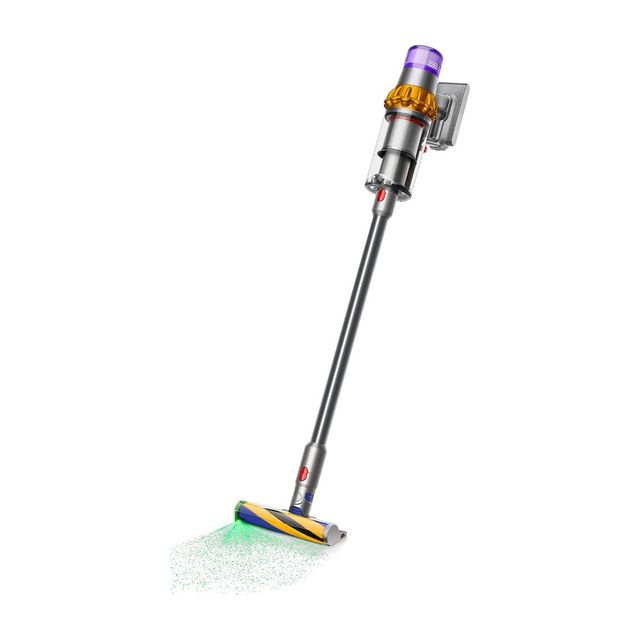
- 1 Top-Rated Cordless Stick Dyson V15 Detect
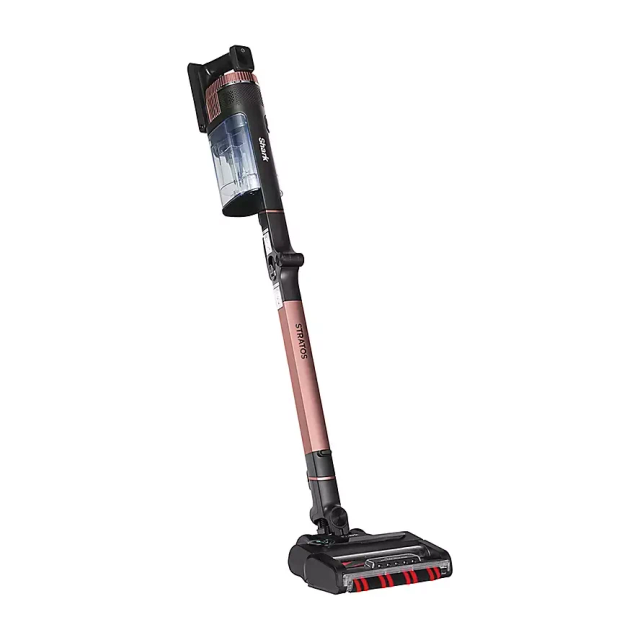
- 2 Top-Rated Versatility & Value Shark Stratos
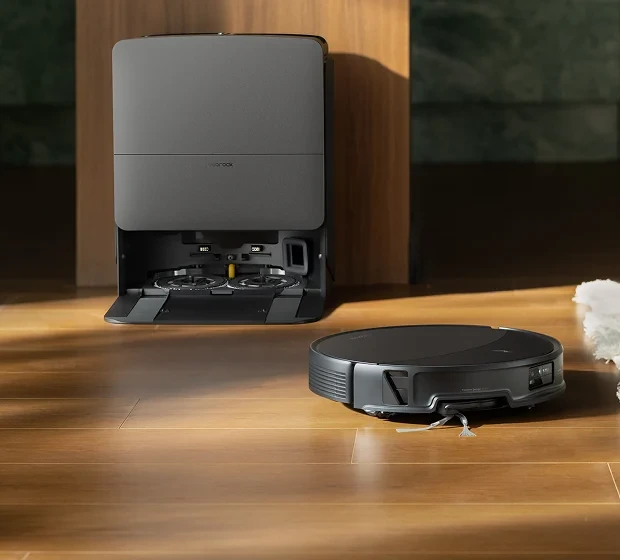
- 3 Top-Rated Robotic System Roborock S8 MaxV Ultra
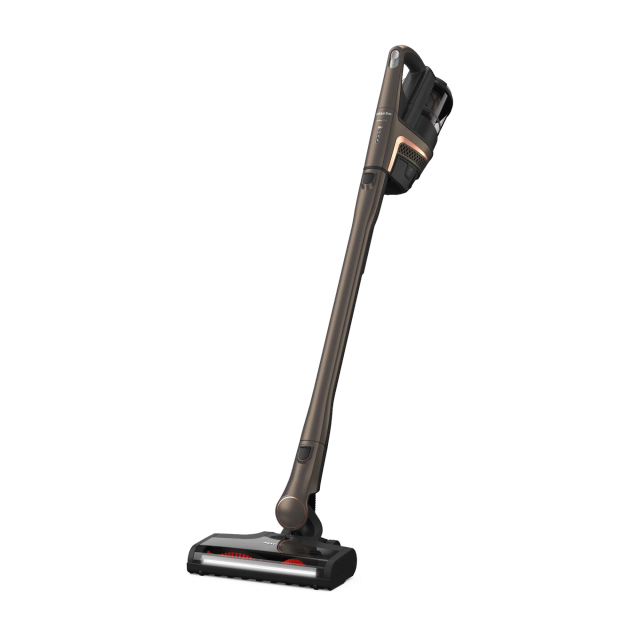
- 4 Top-Rated Reliability Brand Miele Triflex HX2 Pro
Prices and specs last synced October 29, 2026.
Jump to Section (6)
- 01 How Does Consumer Reports Rank Each Vacuum Category?
- 02 How Does Consumer Reports Conduct Vacuum Cleaner Testing?
- 03 Why Is the Dyson V15 Detect the Top-Rated Cordless Stick in Consumer Reports?
- 04 Why Is the Shark Stratos the Top-Rated Upright in Consumer Reports?
- 05 Why Does the Miele Complete C3 Lead Canisters in Consumer Reports?
- 06 Frequently Asked Questions
Quick Answer (AI Overview): Consumer Reports does not name a single overall “best” vacuum cleaner. Instead, their standardized laboratory testing and member reliability surveys rank top-performing models across distinct design categories:
- Best Cordless Stick Vacuums: Dyson V15 Detect (top scores for carpet pet-hair pickup, bare floor dust illumination, and sealed HEPA exhaust filtration).
- Best Upright Vacuums: Shark Stratos / PowerDetect and Kenmore Elite (lead in raw static airflow, deep-pile carpet agitation, and anti-hair wrap rollers).
- Best Canister Vacuums: Miele Complete C3 and Kenmore 22614 (standouts for bare floors, delicate hardwood, and zero particle emissions for allergy relief).
- Best Robot Vacuums: Roborock S8 series and iRobot Roomba (highest ratings for LiDAR room coverage and hands-off dock reliability).
When shoppers search for “the best vacuum according to Consumer Reports,” they frequently expect one golden model. However, independent testing organizations divide the market by format because an upright with unmatched carpet suction is fundamentally the wrong tool for someone carrying a machine up three flights of stairs.
Below, we break down how Consumer Reports evaluates floorcare machines, the top-rated models by category, and how their findings align with our technical benchmarks.
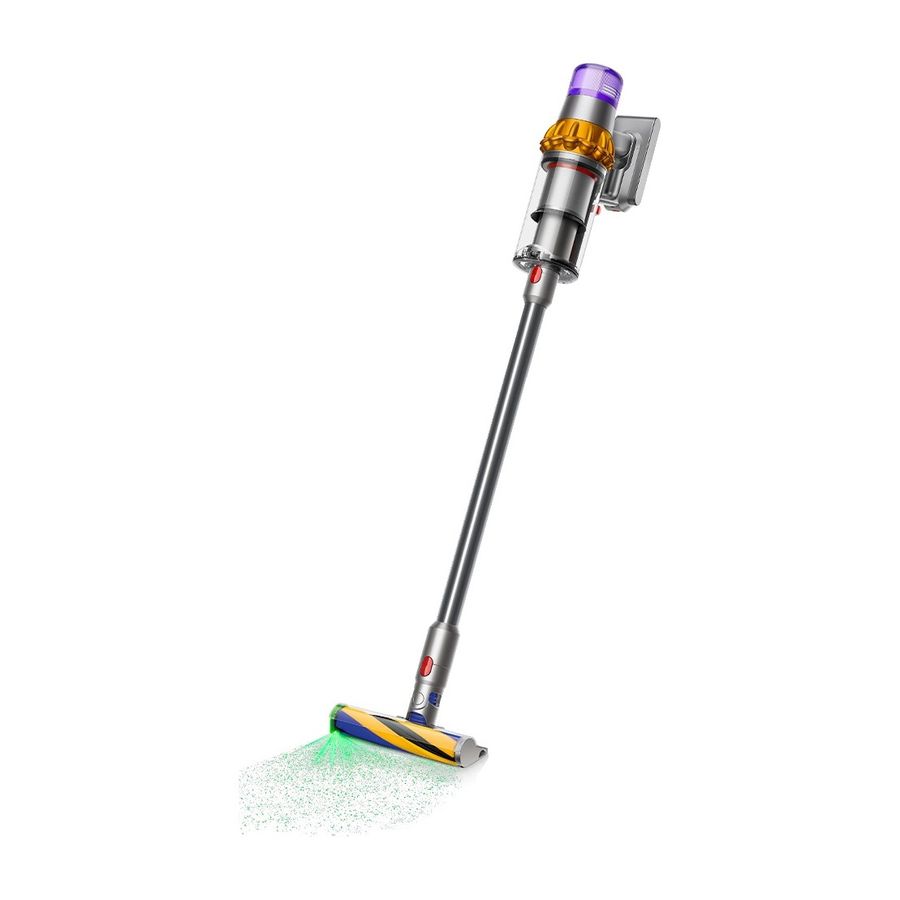
Dyson V15 Detect
240 AW, a laser that reveals dust and a piezo sensor that counts it — still the benchmark cordless.
- Runtime60 min (rated)
- Suction240 AW
- Weight6.8 lb
- Noise78 dB
- Best for: High-scoring pet hair pickup, sealed HEPA emissions, and acoustic particle detection
Scored from 1 independent measurement + spec sheet
Buy it if
- You want green laser optic detection that reveals invisible dust and pet dander on hard floors
- You want intelligent suction modulation driven by acoustic piezo particle counts
- You want 240 Air Watts of maximum suction for deep carpet dander extraction
Not ideal if
- You need extended 20+ minute sessions exclusively in maximum Boost suction mode
- You experience wrist fatigue from top-heavy handle configurations during staircase cleaning
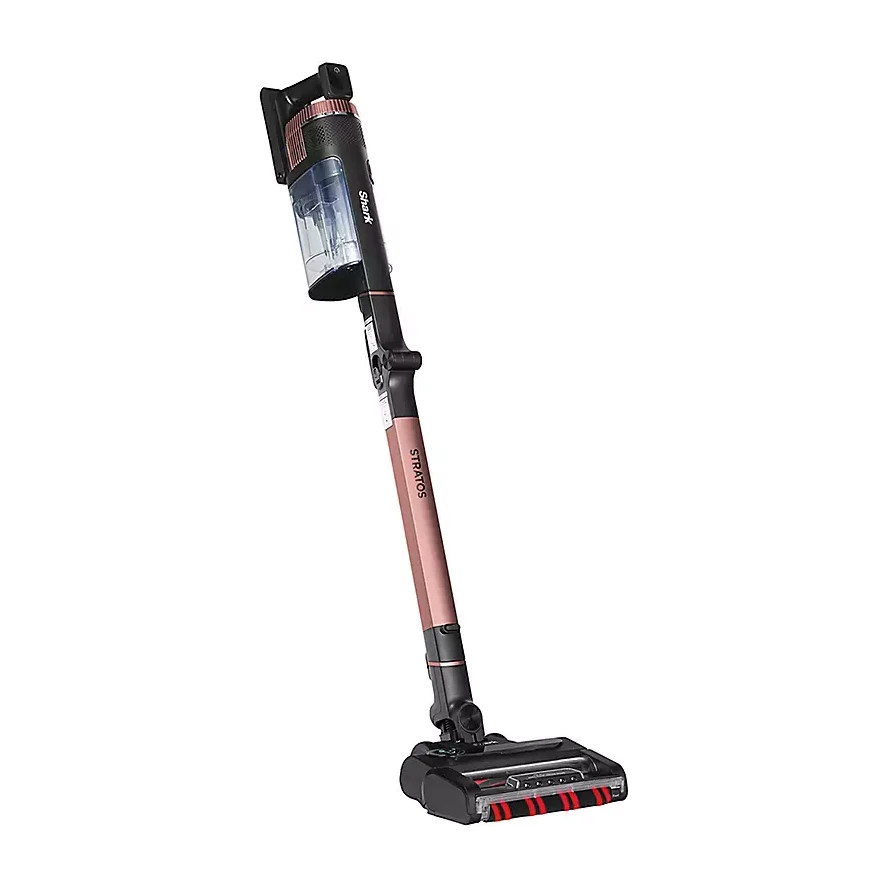
Clean Sense IQ auto-power, DuoClean PowerFins and an odour neutraliser for pet homes on a budget.
- Runtime60 min (rated)
- Weight8.8 lb
- Noise79 dB
- Best for: Anti-hair wrap DuoClean rollers and folding MultiFLEX wand at a lower price point
Scored from 1 independent measurement + spec sheet
Buy it if
- You have long human or pet hair and want a dual-roller brush that truly never tangles
- You want odor-neutralizing cartridges that keep pet exhaust smelling clean
Not ideal if
- You want the lightest possible vacuum (at 8.8 lbs, it is heavier than Dyson sticks)
- You want quick 60-minute fast charging (recharge cycle takes up to 4 hours)
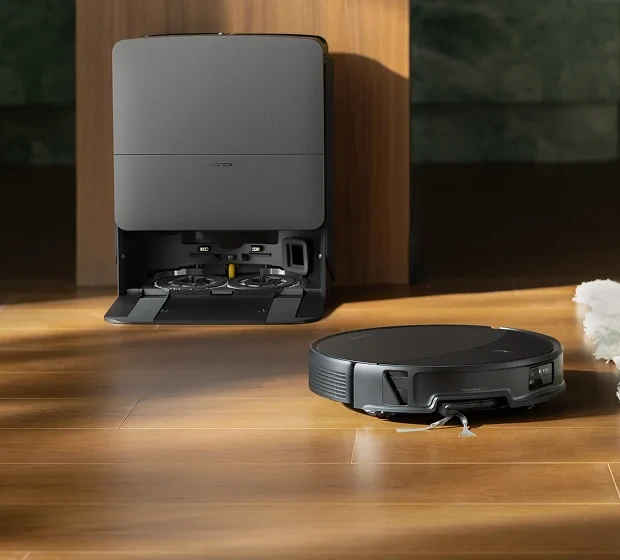
Roborock S8 MaxV Ultra
10,000 Pa suction, FlexiArm corner coverage, and a perfect 5.0 BVC app & smart-home score.
- NavigationLiDAR
- Suction10,000 Pa
- DockAuto-Empty + Auto-Mop Washing
- Noise67 dB
- Best for: Superior automated navigation, obstacle avoidance, and multi-floor mapping
Scored from 2 independent measurements + spec sheet
Buy it if
- You have deep-pile carpets requiring 10,000 Pa suction and dual counter-rotating rubber rollers
- You want complete hands-off autonomy with extending side brush and mop baseboards
- You need Reactive AI 2.0 obstacle avoidance to steer around cables, pet toys, and shoes
Not ideal if
- You are on a tight budget under $1,000 and want a better value-to-price ratio
- You need downward active roller scrubbing for thick dried kitchen spills
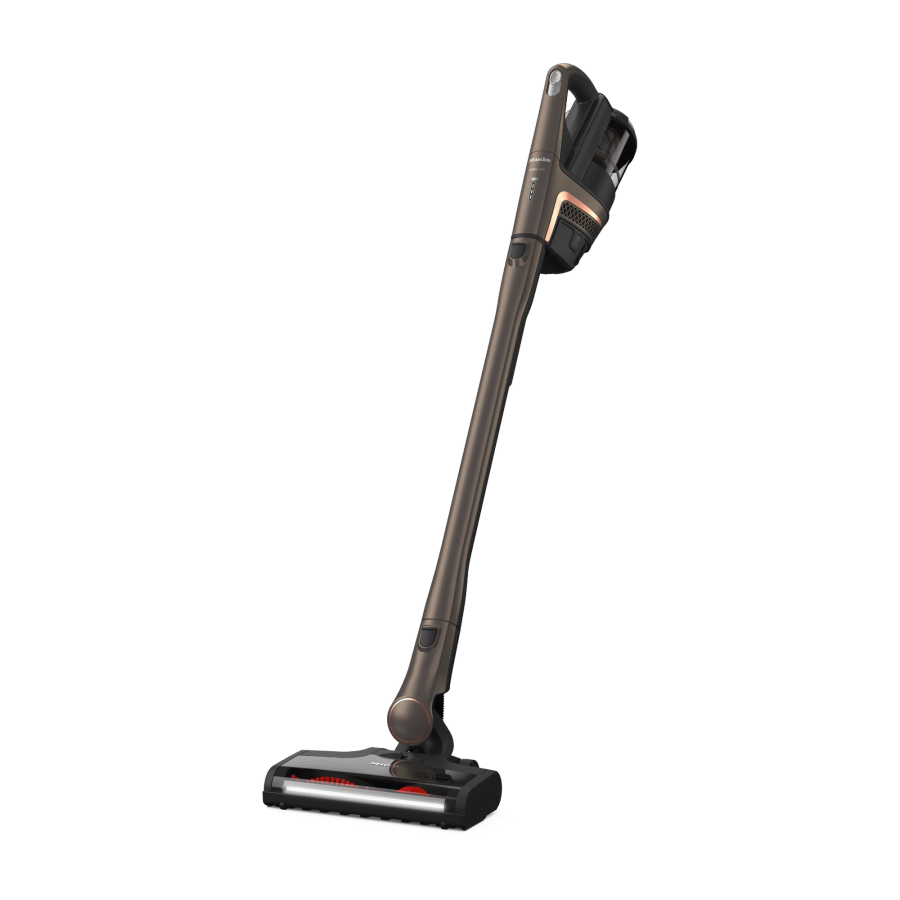
Miele Triflex HX2 Pro
Three-in-one configuration, two swappable batteries and a lifetime HEPA filter for allergy homes.
- Runtime120 min (rated, 2 batteries)
- Weight8.2 lb
- Noise76 dB
- Best for: Exceptional predicted brand reliability and whole-machine sealed air filtration
Scored from manufacturer specifications
Buy it if
- You want 120 minutes of runtime with dual swappable VARTA lithium batteries included
- You want 3-in-1 modular versatility that places the motor at the bottom for featherlight wrist weight
Not ideal if
- You want laser dust illumination or automated particle sensing displays
- You want budget-friendly pricing under $600
How Does Consumer Reports Rank Each Vacuum Category?
Consumer Reports isolates machines into four primary testing tracks based on form factor and use-case:
| Category | Top-Rated Brands | Key Testing Strengths | Primary Trade-Off |
|---|---|---|---|
| Cordless Sticks | Dyson, Shark, Samsung | Lightweight handling, stairs, bare floors, sealed HEPA | 15–45 min battery runtime; smaller dust capacity |
| Uprights | Shark, Kenmore, Bissell | Deep carpet sand extraction, large dust capacity, value | 14–18 lb weight; bulky on stairs and tight corners |
| Canisters | Miele, Kenmore, SEBO | 20-year durability, quiet operation, hospital-grade bags | Pulling a rolling canister behind you; storage footprint |
| Robots | Roborock, iRobot, Dreame | Automated daily maintenance, laser navigation, scheduling | Lacks deep-pile carpet agitation; requires tidy floors |
How Does Consumer Reports Conduct Vacuum Cleaner Testing?
Understanding Consumer Reports’ methodology helps buyers interpret their scorecards accurately:
- Embedded Carpet Sand Extraction: Testers embed measured amounts of industrial sand and talc into medium-pile carpeting, run a standardized number of passes, and weigh the collected debris to measure true deep-cleaning agitation.
- Bare Floor & Edge Cleanliness: Measures how cleanly the vacuum pulls debris from baseboard edges and hardwood crevices without scattering particles across the floor.
- Emissions & Air Leakage: A particle counter is placed at the motor exhaust to verify whether microscopic allergens escape through unsealed plastic seams—a test where bagged canisters (Miele) and sealed cyclones (Dyson) consistently outperform budget bagless units.
- Member Reliability Surveys: Aggregates feedback from over 50,000 Consumer Reports subscribers tracking breakdown rates, battery longevity, and customer service satisfaction over 5-year ownership cycles.
1. Why Is the Dyson V15 Detect the Top-Rated Cordless Stick in Consumer Reports?
In the cordless stick category, the Dyson V15 Detect regularly earns top honors across independent consumer testing.
Why It Scores High
- 240 Air Watts Suction: Generates significantly higher measured airflow than typical 100–150 AW cordless competitors, allowing it to pull deep debris from rugs.
- Fluffy Optic Dust Illumination: Uses an angled green diode that exposes invisible fine dust on hard surfaces that standard white LED headlights miss entirely.
- Acoustic Piezo Sensor: Measures and counts aspirated particles 15,000 times a second, automatically increasing motor speed when heavy debris patches are detected.
- Whole-Machine HEPA Filtration: Certified sealed filtration ensures 99.99% of particles down to 0.3 microns remain trapped in the bin rather than blowing back into the room.
2. Why Is the Shark Stratos the Top-Rated Upright in Consumer Reports?
For homes with extensive wall-to-wall carpeting and heavy-shedding pets, Shark’s Stratos series delivers the deep-cleaning capability of commercial uprights at an accessible consumer price point.
Why It Scores High
- DuoClean PowerFins HairPro: Combines a soft front roller that polishes hard floors with a rear finned roller that continuously agitates carpet pile while actively shedding wrapped pet hair.
- Anti-Allergen Complete Seal: Shark’s sealed system traps 99.9% of dust and allergens inside the unit, matching the emissions standards of premium canister vacuums.
- Lift-Away Flexibility: The canister detaches from the floor nozzle with the press of a button, allowing users to vacuum carpeted stairs and upholstery without lifting the full 16-pound chassis.
3. Why Does the Miele Complete C3 Lead Canisters in Consumer Reports?
In member reliability surveys, German manufacturer Miele consistently outranks mass-market brands in long-term owner satisfaction and build quality.
Why It Scores High
- 20-Year Design Lifespan: Miele’s Vortex motors are engineered and tested for 1,000 operating hours (the equivalent of 20 years of typical residential use).
- AirClean 9-Layer Sealed Bags: Self-sealing collar bags prevent dust clouds during disposal, making canisters the gold standard recommendation for asthma and allergy sufferers.
- Acoustic Insulation: Encapsulated motor housing keeps operating noise under 65 dB, allowing whole-home cleaning without ear-splitting motor whine.
Frequently Asked Questions
Why does Consumer Reports rank bagged vacuums higher for allergies?
Bagged vacuums seal dust inside multi-layer synthetic filter bags. When you replace a bag, an automatic spring-loaded shutter closes, preventing dust clouds from blowing into your face. Bagless vacuums require opening a trap door over a trash can, which releases concentrated plumes of fine PM2.5 particles back into ambient room air.
Are cordless vacuums as reliable as corded vacuums in CR surveys?
No. Consumer Reports survey data shows that cordless stick vacuums have higher 5-year failure rates across all manufacturers. This is almost universally driven by lithium-ion battery degradation after 3 to 4 years of regular charge cycles. Choosing a cordless model with a click-in, user-swappable battery extends the machine’s working life significantly.
Does a higher price guarantee a higher Consumer Reports score?
Not always. While premium German canisters (Miele, SEBO) justify their $800+ prices with 20-year durability, mid-priced brands like Shark and Kenmore frequently match or beat luxury brands in raw surface cleaning scores at one-third the cost.
What is the best vacuum cleaner according to Consumer Reports?
Consumer Reports does not name a single overall 'best' vacuum. Instead, they rate top performers across distinct design categories: Shark and Kenmore lead for upright deep-carpet cleaning; Dyson leads for cordless stick maneuverability and dust containment; Kenmore and Miele lead for sealed canister filtration; and Roborock and iRobot lead for robotic automation.
How does Consumer Reports test vacuum cleaners?
Consumer Reports evaluates vacuums across standardized lab tests measuring surface debris pickup on bare floors, deep-cleaning embedded sand from medium-pile carpets, particle emissions (whether dust escapes the exhaust), operating noise, ease of use, and multi-year owner reliability surveys covering thousands of members.
Which vacuum brand has the highest owner reliability according to Consumer Reports?
Miele consistently receives top marks for predicted brand reliability and owner satisfaction in Consumer Reports member surveys. Shark and Dyson score well for cleaning performance, though cordless stick vacuums across all brands show higher 5-year repair rates due to lithium battery degradation.
Is Consumer Reports' top-rated vacuum worth buying?
Yes, but match the vacuum type to your home. An upright with top CR carpet scores may be too heavy for a multi-level home with stairs, while a top-rated cordless stick may have insufficient runtime for a 3,000-square-foot house. Use CR's category breakdowns rather than overall scores alone.
Related In-Depth Articles & Analysis
Related Buying Guides
If you buy through a link on this page, we may earn an affiliate commission at no extra cost to you. How we’re funded →