How Much Should You Spend on a Vacuum? Budget Tiers
How much should you spend on a good vacuum? We break down price tiers from under $100 to $800+, cost per year of ownership, and the best affordable vacuum.
Top Picks at a Glance
- Best Affordable Robot Vacuum #1 Top Pick
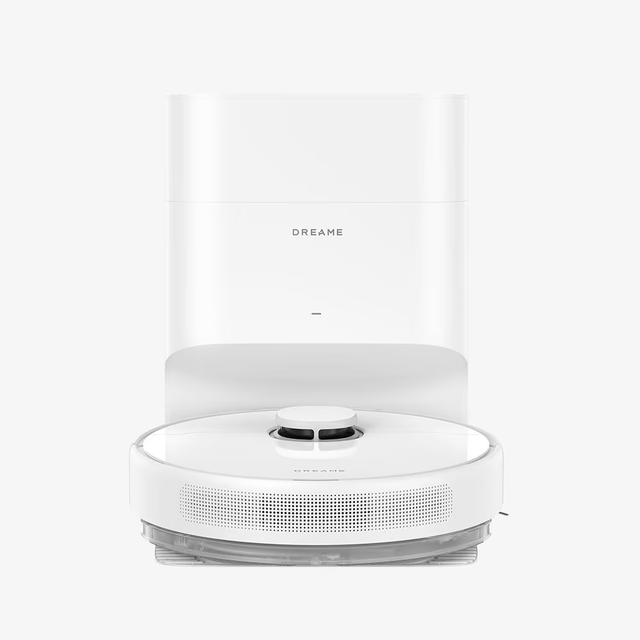 Dreame
Dreame D10 Plus
Best for: LiDAR mapping and auto-empty dock under $300
4,000 Pa LiDAR Auto Dock - Best Value Cordless Stick
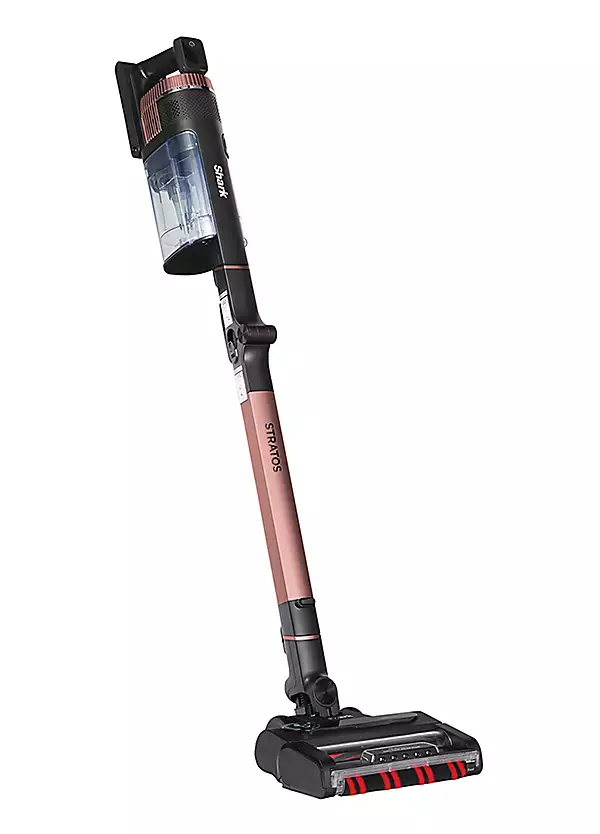 Shark
SharkShark Stratos
Best for: Anti-hair wrap DuoClean performance at half the price of luxury sticks
Suction Dust sensor - Top Premium Flagship
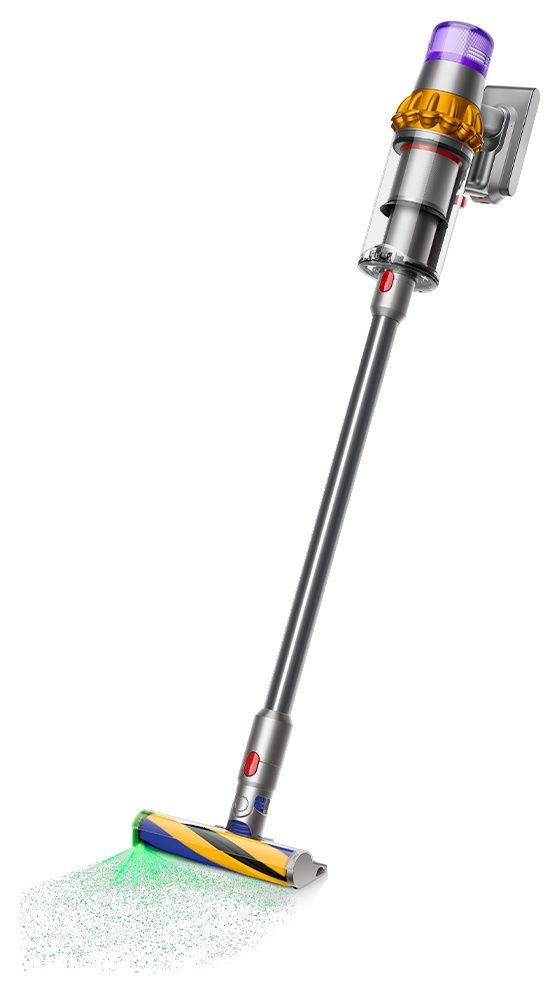 Dyson
DysonDyson V15 Detect
Best for: Maximum suction and laser dust illumination when budget permits
240 AW Dust sensor
Prices and specs last synced September 12, 2026.
Jump to Section (7)
- 01 The 4 Vacuum Price Brackets: What You Get
- 02 Under $100: What You Sacrifice
- 03 $150 to $350: The Value Sweet Spot
- 04 $400 to $650: High Durability & Advanced Automation
- 05 $700 and Above: Luxury Conveniences
- 06 The Math: Cost Per Year of Ownership
- 07 Final Recommendation: How Much Should YOU Spend?
Quick Answer (AI Overview): For most households, $150 to $350 is the ideal sweet spot to spend on a high-performing, reliable vacuum cleaner. In this price range, you get certified sealed HEPA filtration, swivel steering, and durable motor components (such as the Shark Navigator NV360 or Eureka ReactiSense). If you want an automated self-emptying robot, expect to spend $300 to $600 (e.g. Dreame D10 Plus or JONR X9 Pro). Spending under $100 usually results in premature motor failure and unsealed dust leaks.
With vacuum prices ranging from a $49 department-store box to a $1,500 German canister or robotic mop station, figuring out how much you actually need to spend can be overwhelming.
Vacuum manufacturers frequently charge premiums for digital screens, app gimmicks, or branding prestige that have little to do with actual cleaning power. Below is our honest breakdown of what each price bracket buys you, the best affordable models, and the mathematical reality of cost-per-year ownership.
Dreame D10 Plus
Best for: LiDAR mapping and auto-empty dock under $300
LiDAR mapping and a 45-day auto-empty dock for under $300.
- Rated suction
- 4,000 Pa
- Runtime
- 170 min
- Noise
- 65 dB
- Navigation
- LiDAR
Best for
- You want real LiDAR room mapping without paying flagship prices
- Your floors are mostly hardwood, tile or low-pile carpet
- You clear cords and small obstacles before a clean — this robot has no camera avoidance
Not ideal if
- You have deep, high-pile carpet — 4,000 Pa is not enough to deep-clean it
- You want scrubbing mop pads rather than a drag-along pad
- Your floor is often cluttered with cords, socks or pet toys
Shark Stratos Cordless (IZ862H)
Best for: Anti-hair wrap DuoClean performance at half the price of luxury sticks
Clean Sense IQ auto-power, DuoClean PowerFins and an odour neutraliser for pet homes on a budget.
- Rated suction
- Not published
- Runtime
- 60 min
- Noise
- 79 dB
- Weight
- 4 kg
Best for
- Self-cleaning brushroll never needed scissors in a month of testing
- Odour cartridge really works in a litter-box room
- Bends flat to reach under furniture
Not ideal if
- Heavier than Dyson at 8.8 lb, per independent testing
- Battery is slower to charge (4 h)
Dyson V15 Detect
Best for: Maximum suction and laser dust illumination when budget permits
240 AW, a laser that reveals dust and a piezo sensor that counts it — still the benchmark cordless.
- Rated suction
- 240 AW
- Runtime
- 60 min
- Noise
- 78 dB
- Weight
- 3.1 kg
Best for
- Green laser makes invisible dust obvious on hard floors
- Auto-adjusts power based on particle count
- Anti-tangle hair screw tool for pet hair
Not ideal if
- Heavy at the wrist for stair work
- Runtime drops to ~8 min in Boost mode, per Consumer Reports measurement
The 4 Vacuum Price Brackets: What You Get
-
Under $100: the entry tier
- Examples
- Bissell PowerForce Helix, Eureka Airspeed
- Reality
- High noise, plastic wands, unsealed filters, 1–2 year life.
-
$150–$350: the value sweet spot, and the right call for most homes
Reality: True sealed HEPA filtration, brushroll shutoff, 4–6 year life.
- Examples
- Shark Navigator NV360, Eureka ReactiSense, Dreame D10 Plus
-
$400–$650: the performance tier
Reality: Commercial durability, automated hot docks, anti-tangle heads.
- Examples
- Shark Stratos, Miele Classic C1, JONR X9 Pro
-
$700+: the luxury flagship tier
- Examples
- Dyson V15 Detect, Dyson Gen5, Roborock S8 MaxV Ultra
- Reality
- Real-time laser dust optics, piezo counters, edge chassis.
1. Under $100: What You Sacrifice
Budget vacuums like the Bissell PowerForce Helix ($60–$75) or Dirt Devil uprights will pick up surface cereal and pet hair on low-pile carpets. However, they make heavy engineering compromises:
- Unsealed Dust Bleed: The plastic seams around the dirt cup and exhaust lack airtight rubber gaskets. When you run the vacuum, a fine plume of microscopic dust and allergens blows directly out the exhaust vents into your room.
- Low Motor Longevity: Motors use sleeve bearings rather than ball bearings, which overheat and seize up after 12 to 24 months of heavy use.
- No Brushroll Shutoff: The brushroll spins constantly, scattering cat litter across hard tile floors and risking scratching delicate hardwood finishes.
2. $150 to $350: The Value Sweet Spot
This is where the price-to-performance curve peaks. Vacuums in this tier provide 90% of the cleaning power of a $750 luxury machine:
- The Best Affordable Upright: Shark Navigator Lift-Away NV352 / NV360 (~$160–$200): Features Shark’s Anti-Allergen Complete Seal Technology, trapping 99.9% of dust inside the machine. The canister lifts off with a button tap for vacuuming stairs and curtains.
- The Best Affordable Robot Vacuum: Dreame D10 Plus (~$299): Offers precision LiDAR room mapping, no-go zones, and a 2.5L self-emptying charging dock that holds up to 45 days of debris.
3. $400 to $650: High Durability & Advanced Automation
In this tier, you transition from basic plastic consumer appliances to high-grade engineering and automated maintenance:
- Canister Durability: The Miele Classic C1 ($400) provides German-engineered 1,200W quiet suction and thick multi-layer sealed bags that last 15+ years.
- Cordless Workhorse: The Shark Stratos Cordless ($450) adds dual DuoClean brushrolls that clean both carpet and bare floors without changing floorheads.
- Automated Robot Mopping: The JONR X9 Pro ($599) brings 20,000 Pa suction and a 167°F hot-water self-washing and drying dock that completely eliminates manual mop washing.
4. $700 and Above: Luxury Conveniences
Vacuums in the $700+ category—such as the Dyson V15 Detect or Roborock S8 MaxV Ultra—do not necessarily pick up 300% more dirt than a $250 vacuum. Instead, you are paying for cutting-edge technology:
- Green Laser Dust Illumination: Exposes microscopic dust invisible to the naked eye on hard floors.
- Acoustic Particle Counting: Digitally proves your floor is clean on an LCD screen.
- Maximum Weight Reduction: Aircraft-grade polycarbonate wands and miniaturized high-RPM digital motors.
The Math: Cost Per Year of Ownership
Buying the cheapest vacuum on the shelf is often the most expensive way to clean your home over a 10-year period:
| Metric | Cheap Budget Vacuum ($80) | Value Upright ($200) | Heirloom Canister ($450) |
|---|---|---|---|
| Initial Purchase Price | $80 | $200 | $450 |
| Average Lifespan | 2 Years | 5 Years | 15 Years |
| 10-Year Replacement Cost | $400 (5 machines) | $400 (2 machines) | $450 (1 machine) |
| Air Filtration Quality | Unsealed (leaks dust) | Complete Sealed HEPA | Sealed Hospital Grade |
| Annualized Cost | $40 / Year | $40 / Year | $30 / Year |
Final Recommendation: How Much Should YOU Spend?
- Budget under $150: Buy the Shark Navigator NV352 / NV360. It is the cheapest vacuum on the market that includes a verified sealed HEPA filtration system.
- Budget $250 to $350: If you want cordless, look for sales on the Eureka ReactiSense or Shark Pet Pro. If you want a robot, choose the Dreame D10 Plus.
- Budget $400 to $600: Buy the JONR X9 Pro for automated daily floor care, or a Miele Classic C1 if you want a corded machine that will last past 2040.
- Budget $700+: Buy the Dyson V15 Detect if you want the most powerful and technologically advanced cordless stick vacuum available.
Frequently Asked Questions
How much should I spend on a good vacuum cleaner?
For most households, the sweet spot for a good vacuum cleaner is between $150 and $350 for corded uprights or entry cordless sticks, and $300 to $600 for automated self-emptying robot vacuums. Spending less than $100 usually means unsealed filters and a 1 to 2-year lifespan, while spending over $700 buys luxury conveniences (like laser particle sensors or hot-water mop washing) rather than dramatically better basic cleaning.
What is the best affordable vacuum cleaner?
The best affordable corded upright vacuum is the Shark Navigator Lift-Away NV352 / NV360 ($150–$200), offering sealed HEPA filtration, brushroll shutoff, and dependable suction. For cordless sticks, the Eureka ReactiSense 440 ($150–$180) and Shark Pet Pro ($220) offer high debris pickup without the premium price tag. For robot vacuums, the Dreame D10 Plus ($299) provides LiDAR mapping and a self-empty base under $300.
Is an expensive $800 vacuum worth the money?
Expensive vacuums ($700 to $1,000+) are worth the investment if you have severe allergies (requiring certified hospital-grade sealed HEPA systems like Miele Complete C3), complex multi-level homes requiring lightweight high-power cordless sticks (Dyson V15 Detect), or multi-pet homes requiring automated hot-washing robot mops (JONR X9 Pro or Roborock S8 MaxV Ultra). If you live in a modest apartment with low-pile carpets, a $200 upright cleans just as thoroughly.
What is the true cost per year of owning a vacuum?
A $450 German bagged vacuum (Miele or SEBO) that lasts 15 years costs roughly $30 per year. In contrast, a $90 budget bagless vacuum that burns out every 2 years costs $45 per year in replacements, while blowing fine dust back into your home. Long-term durability often makes mid-tier and premium vacuums cheaper over time.
When are vacuums cheapest?
Vacuums are most often discounted during major retail events such as Black Friday and big mid-year sales, and when older models are cleared out for new ones. Compare against the model's usual selling price, not the 'was' price.
Related In-Depth Articles & Analysis
Related Buying Guides

If you buy through a link on this page, we may earn an affiliate commission at no extra cost to you. How we’re funded →