Cordless sticks · Guide
Dyson’s 140,000 rpm micro motor, explained
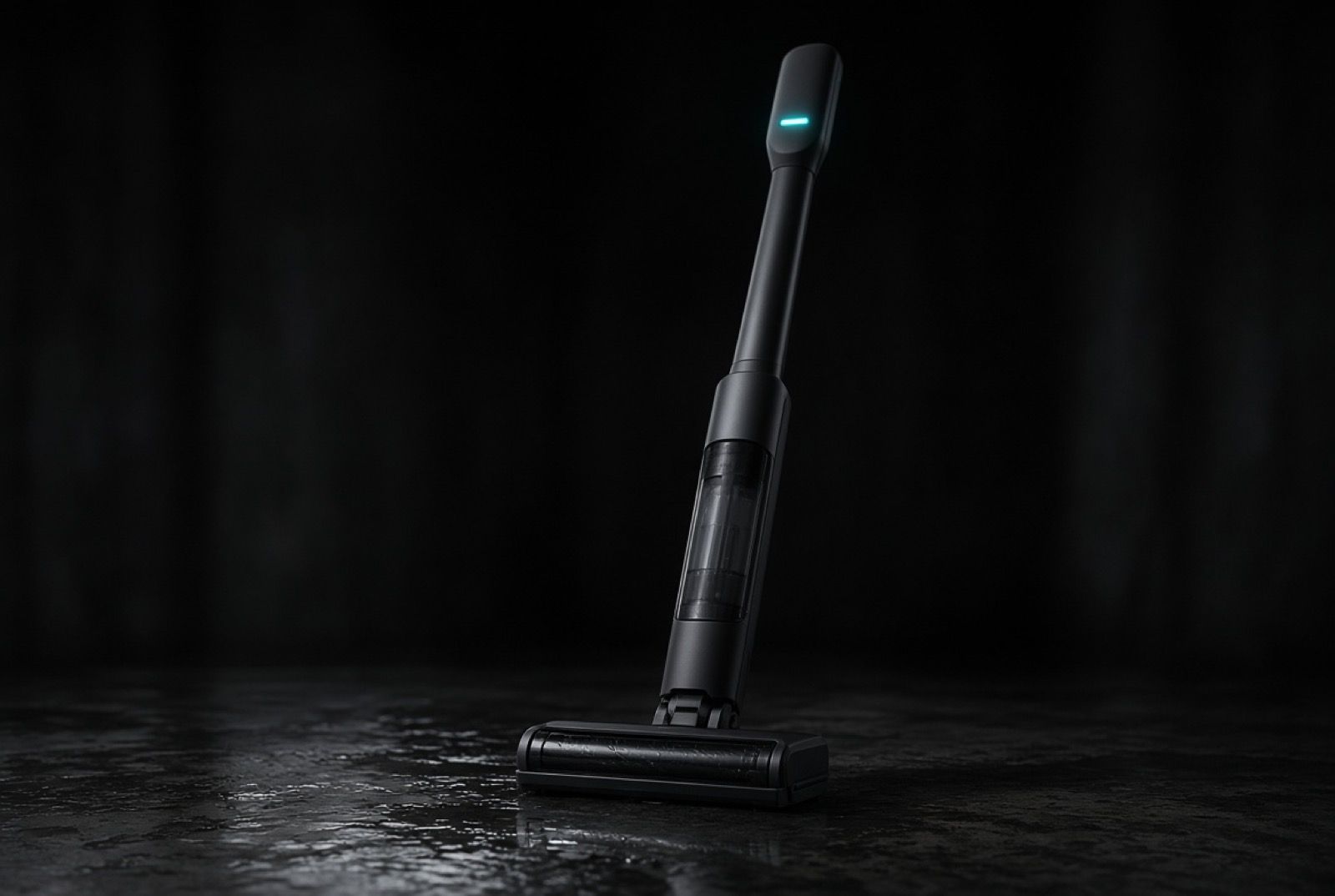
Dyson’s Hyperdymium 140k spins at 140,000 rpm inside the 38 mm PencilVac and makes 55 air watts. It is a shipped motor, not a 300 air-watt prototype.
Top Picks at a Glance
- Cordless stick in our rankings #1 Top Pick
 Dyson
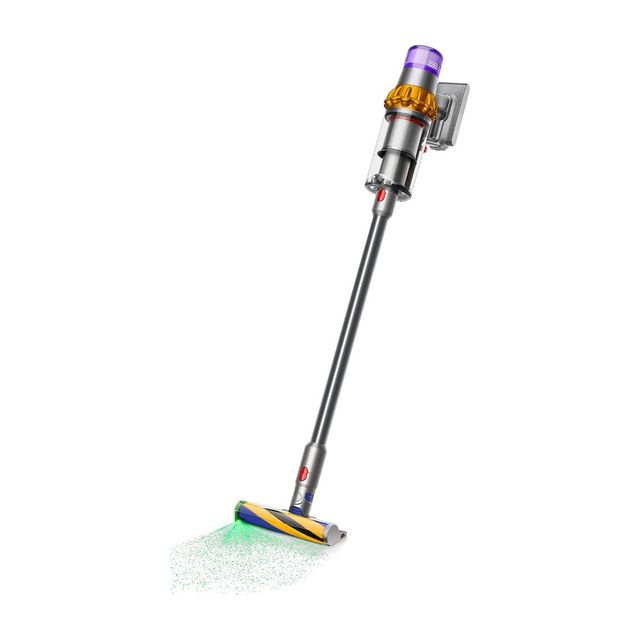
Dyson V15 Detect
Best for: Whole-home cleaning where a full-size stick still makes sense
240 AW Dust sensor
Prices and specs last synced October 29, 2026.
Jump to Section (6)
- 01 What Is the Penn Micro Motor Designed For?
- 02 How Does the Micro Motor Compare with Full-Size Stick Vacuums?
- 03 What Do Motor Speed and Air Watts Actually Tell You?
- 04 Who Is a 55 Air Watt Stick Actually For?
- 05 What Should You Check Before You Buy a Slim Stick?
- 06 Why Was This News Coverage Corrected and Updated?
Dyson has not published a vacuum motor called Penn, and it has not shown a 150,000 rpm prototype rated past 300 air watts. The micro motor it has actually put in a vacuum is the Hyperdymium 140k, inside the PencilVac.
Dyson announced that machine in May 2025. The body is 38 mm across. The motor is 28 mm across, which Dyson says is small enough to sit inside that handle, and it spins at up to 140,000 rpm to produce 55 air watts. Dyson also says the motor is 34% more power-dense than the motor it replaces. Those figures are Dyson’s, from the PencilVac launch note.
What Is the Penn Micro Motor Designed For?
The PencilVac is a hard-floor stick, not a carpet machine. The motor’s job is to make suction inside a tube about as wide as a hair-dryer handle. Dyson pairs it with a linear dust separator and, on the Fluffycones version, four conical brush bars that are meant to pull hair off the roller. James Dyson described the same 28 mm, 140,000 rpm motor at the company’s Berlin event, in Dyson’s own write-up.
Fifty-five air watts is a modest suction figure next to a full-size cordless stick. The gain Dyson is selling is size and weight, not a new suction record.
How Does the Micro Motor Compare with Full-Size Stick Vacuums?
The Dyson V15 Detect in our rankings is a different class of machine. Dyson rates it at 240 air watts, from a Hyperdymium motor that spins at 125,000 rpm. The Gen5detect is rated at 262 air watts, from a 135,000 rpm motor. Both numbers are manufacturer specifications, stored on those review pages.
A later Dyson stick, the V16 Piston Animal, uses yet another motor. Retail listings describe a Hyperdymium 900 W motor and about 315 air watts. That is a full-size stick claim. It is not the 28 mm PencilVac motor, and it is not evidence for a secret “Penn” prototype.
What Do Motor Speed and Air Watts Actually Tell You?
Rpm is how fast the motor spins. Air watts is a rating of the suction the machine makes at the other end. A higher rpm does not mean a stronger vacuum. The PencilVac motor spins faster than the V15 Detect’s motor, at 140,000 rpm against 125,000 rpm, and Dyson rates it at less than a quarter of the air watts, 55 against 240.
A motor that is 28 mm across has to spin fast to move a useful amount of air through a 38 mm body. That is what the 140,000 rpm figure describes. It is a packaging achievement, in line with Dyson’s own power-density claim.
So when a headline leads with rpm, look for the air-watt rating next to it, and check who published it. Every motor figure in this article is a manufacturer rating. None of them is a pickup result on a floor. Our guide to what counts as good suction power explains how the common suction units differ.
Who Is a 55 Air Watt Stick Actually For?
The PencilVac Fluffycones suits a home that is mostly hard floor. TechRadar describes it as about 4 lb with a 38 mm wand and very maneuverable, and reports one-pass pickup of tea, couscous and oat debris on tile, even in Eco mode. T3 calls it a great addition to the cordless line-up for mostly hard-floored homes.
The same two reviews set out the limits. TechRadar found fine tea left behind on mid-pile carpet after several passes, and says the angled floorhead cannot sit flush against walls. T3 says it cannot be used as a handheld. Both quote a runtime of about 30 minutes per charge.
Two typical homes show the split:
- A one-bedroom flat with wood or tile floors and a flat doormat. There is little carpet to clean and not much floor to cover. A slim hard-floor stick fits this home.
- A three-bedroom house with carpeted bedrooms and stairs. This is full-size stick territory. Dyson rates the V15 Detect at 240 air watts and 60 minutes of runtime, and Consumer Reports rates it Excellent for carpet, bare-floor and pet-hair pickup.
What Should You Check Before You Buy a Slim Stick?
- Your floors. Count the rooms with carpet or thick rugs. If there is more than a mat or two, a 55 air-watt hard-floor machine is the wrong main vacuum.
- Runtime against floor area. About 30 minutes is a different budget from the 60 minutes Dyson rates for the V15 Detect or the 70 minutes it rates for the Gen5detect.
- Edges. If most of the dust in your home sits along skirting boards, note TechRadar’s point about the angled floorhead.
- Handheld jobs. Stairs, car seats and sofas need a machine that converts to a handheld. T3 says the PencilVac does not.
- The battery. T3 reports a swappable click-in battery, which matters for how long any cordless machine stays useful.
- Weight in the hand. Dyson lists the V15 Detect at 3.1 kg and the Gen5detect at 3.5 kg. TechRadar puts the PencilVac at about 1.8 kg. That difference is what the small motor buys.
For hard-floor homes that want more options, see the best cordless sticks for hardwood floors.
Why Was This News Coverage Corrected and Updated?
An earlier version of this article mixed those ideas together. It described ceramic bearings, a 22% lighter motor, a 16-vane acoustic diffuser, and a 2027 product that would pass 300 air watts. Dyson has not published those details for a motor under this name. Treat them as withdrawn.
If you want a cordless stick for carpet and a whole house, start with the V15 review above, or the cordless buying guide. The PencilVac is the one to read about when the priority is a very slim hard-floor cleaner.
Frequently Asked Questions
Did Dyson announce a Penn micro motor?
No. Dyson’s published micro motor for a vacuum is the Hyperdymium 140k, used in the PencilVac. It is 28 mm across, spins at up to 140,000 rpm, and Dyson rates it at 55 air watts.
Is the PencilVac motor more powerful than a Dyson V15?
No. Dyson rates the PencilVac motor at 55 air watts. The V15 Detect in our rankings is rated at 240 air watts. The smaller motor is built to fit a 38 mm body, not to out-pull a full-size stick.
Related In-Depth Articles & Analysis
Related Buying Guides
If you buy through a link on this page, we may earn an affiliate commission at no extra cost to you. How we’re funded →