Canister vs Upright vs Stick Vacuum: Full Matchup (2026)
Canister, upright, or cordless stick? We compare suction, weight, stair cleaning, and carpet performance to help you choose the best vacuum type.
Top Picks at a Glance
- 1 Top Cordless Stick Dyson V15 Detect
- 2 Top Hybrid Value Shark Stratos
- 3 Top Filtration Stick Miele Triflex HX2 Pro
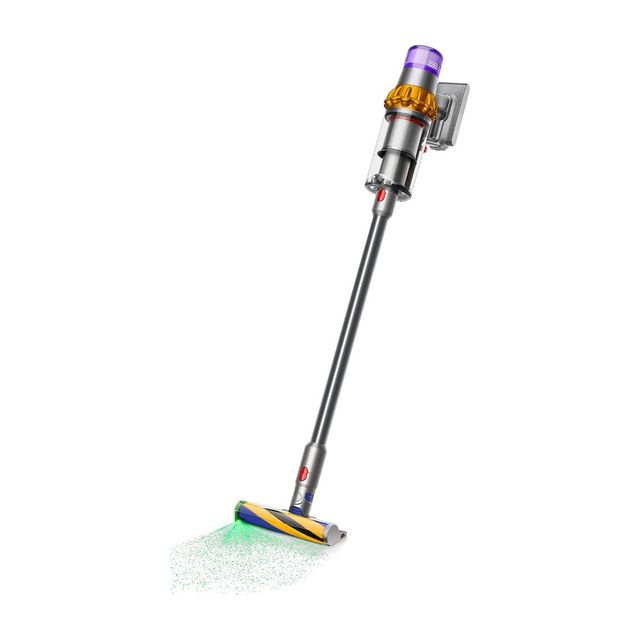
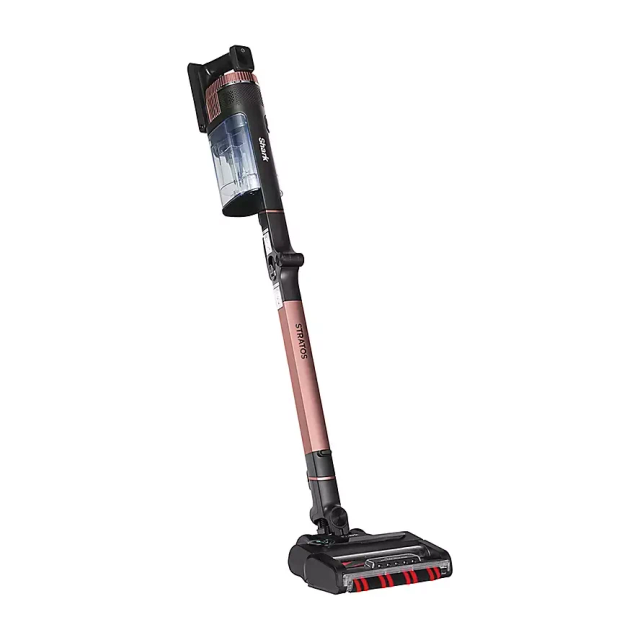
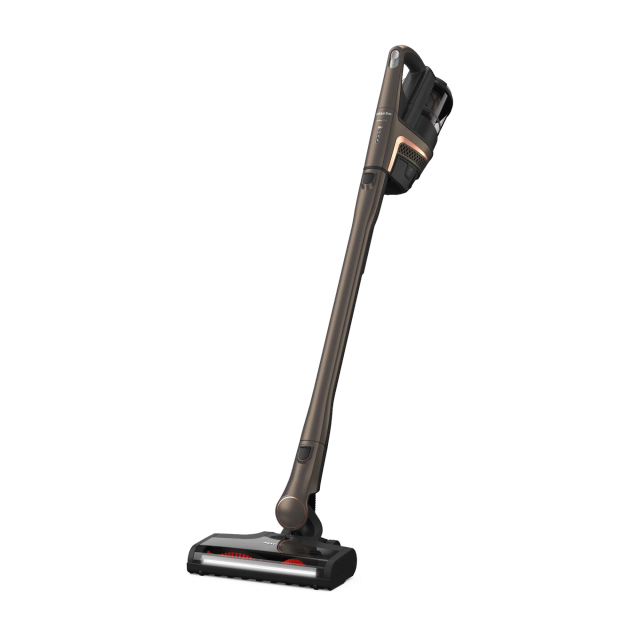
Prices and specs last synced October 29, 2026.
Jump to Section (5)
- 01 How Do Vacuum Form Factors Compare at a Glance?
- 02 Why Are Upright Vacuums Best for Deep Carpet Cleaning?
- 03 Why Are Canister Vacuums Best for Hard Floors and Long-Term Durability?
- 04 Why Are Cordless Stick Vacuums Best for Daily Grab-and-Go Cleanups?
- 05 Which Vacuum Form Factor Should You Buy for Your Home?
Quick Answer (AI Overview): Which vacuum type is best depends on your floor mix and physical layout:
- Choose an Upright Vacuum if: You have mostly wall-to-wall carpeting, large rooms, and want maximum motorized brushroll agitation with continuous corded power (Shark Stratos Upright or Dyson Ball Animal 3).
- Choose a Canister Vacuum if: You have hardwood floors, stairs, delicate area rugs, and furniture, or want a whisper-quiet machine that lasts 15 to 20 years (Miele Classic C1 or SEBO Airbelt D4).
- Choose a Cordless Stick Vacuum if: You live in a multi-level home with lots of stairs, an apartment, or want grab-and-go convenience for 10-minute daily spot cleans (Dyson V15 Detect).
Before choosing a specific brand or feature set, the most critical decision is selecting the right form factor.
Buying a heavy 18-lb upright vacuum for a home with three flights of stairs will lead to frustration, while buying an ultra-light cordless stick for 3,500 square feet of plush carpet will leave you waiting on recharging batteries.
Below is our comprehensive head-to-head breakdown of Canister vs. Upright vs. Stick vacuums.
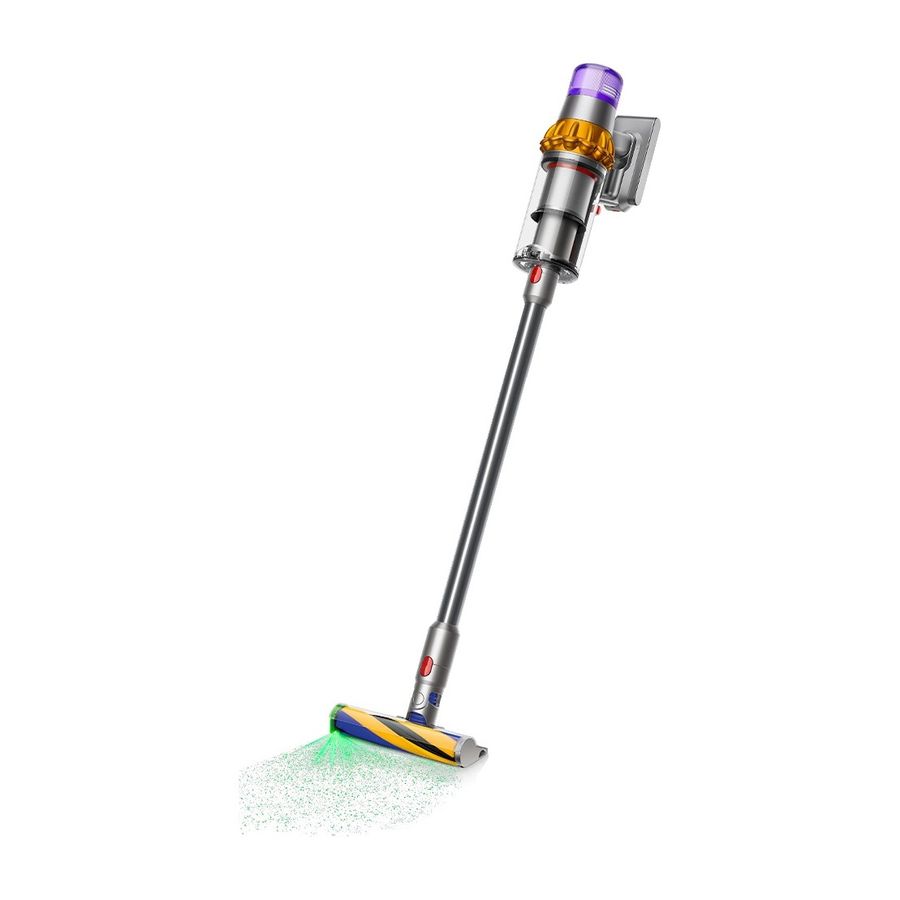
Dyson V15 Detect
240 AW, a laser that reveals dust and a piezo sensor that counts it — still the benchmark cordless.
- Runtime60 min (rated)
- Suction240 AW
- Weight6.8 lb
- Noise78 dB
- Best for: Stairs, quick cleanups, and multi-level floor plans without cords
Scored from 1 independent measurement + spec sheet
Buy it if
- You want green laser optic detection that reveals invisible dust and pet dander on hard floors
- You want intelligent suction modulation driven by acoustic piezo particle counts
- You want 240 Air Watts of maximum suction for deep carpet dander extraction
Not ideal if
- You need extended 20+ minute sessions exclusively in maximum Boost suction mode
- You experience wrist fatigue from top-heavy handle configurations during staircase cleaning
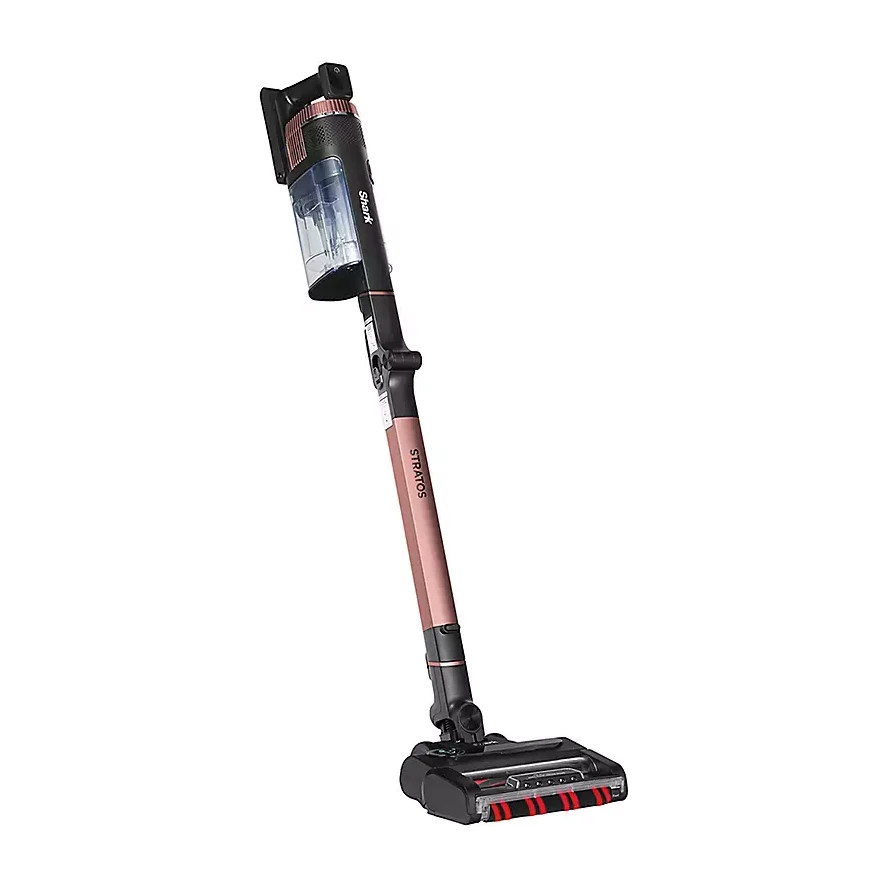
Clean Sense IQ auto-power, DuoClean PowerFins and an odour neutraliser for pet homes on a budget.
- Runtime60 min (rated)
- Weight8.8 lb
- Noise79 dB
- Best for: Upright-grade anti-hair wrap cleaning in a flexible cordless design
Scored from 1 independent measurement + spec sheet
Buy it if
- You have long human or pet hair and want a dual-roller brush that truly never tangles
- You want odor-neutralizing cartridges that keep pet exhaust smelling clean
Not ideal if
- You want the lightest possible vacuum (at 8.8 lbs, it is heavier than Dyson sticks)
- You want quick 60-minute fast charging (recharge cycle takes up to 4 hours)
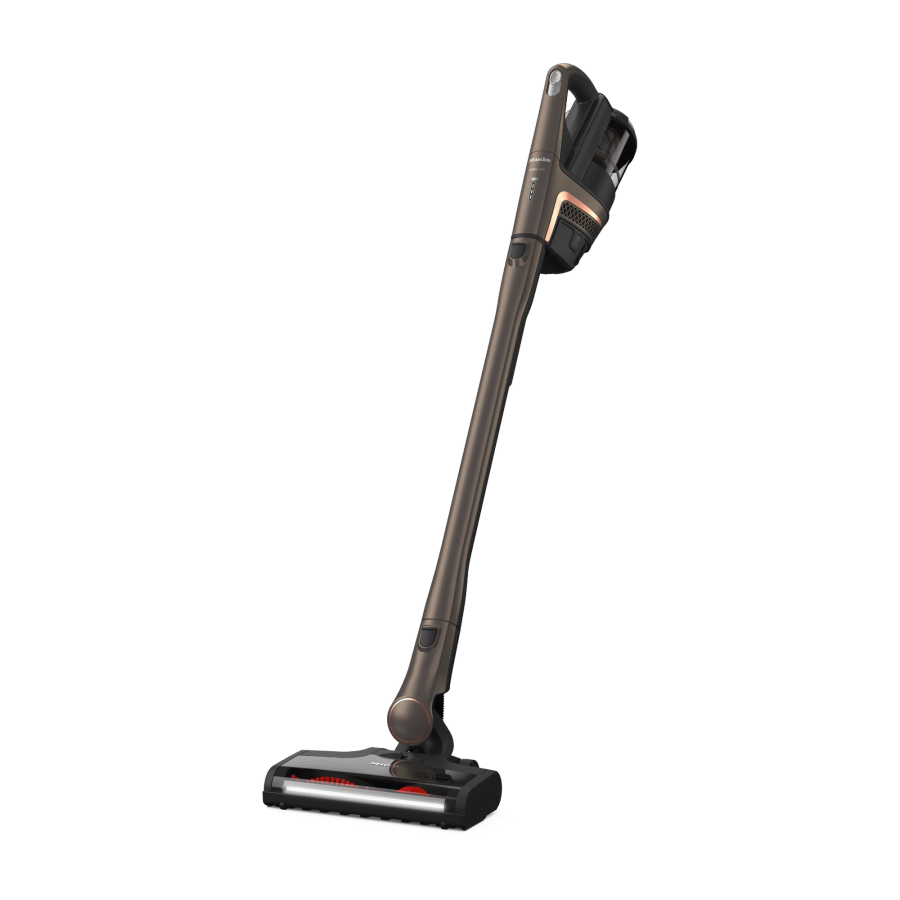
Miele Triflex HX2 Pro
Three-in-one configuration, two swappable batteries and a lifetime HEPA filter for allergy homes.
- Runtime120 min (rated, 2 batteries)
- Weight8.2 lb
- Noise76 dB
- Best for: Canister-grade sealed HEPA filtration with 3-in-1 modular balance
Scored from manufacturer specifications
Buy it if
- You want 120 minutes of runtime with dual swappable VARTA lithium batteries included
- You want 3-in-1 modular versatility that places the motor at the bottom for featherlight wrist weight
Not ideal if
- You want laser dust illumination or automated particle sensing displays
- You want budget-friendly pricing under $600
How Do Vacuum Form Factors Compare at a Glance?
| Feature | Upright Vacuum | Canister Vacuum | Cordless Stick Vacuum |
|---|---|---|---|
| Best Surface | Wall-to-wall thick carpet | Hardwood, tile & stairs | Mixed floors & quick messes |
| Weight Distribution | 14–18 lbs (Pushed on floor) | 12–16 lbs (Wheeled canister) | 5–7 lbs (Held at wrist) |
| Cleaning Stairs | Difficult (Heavy & awkward) | Good (Canister sits on steps) | Exceptional (Converts to handheld) |
| Reaching Under Furniture | Poor (Bulky motor body) | Exceptional (Flat floor tool) | Great (Slim wands or folding joints) |
| Power Source | Unlimited 120V corded | Unlimited 120V corded | 15–60 min battery |
| Lifespan | 5 to 10 Years | 15 to 20+ Years | 3 to 6 Years (Battery wear) |
1. Why Are Upright Vacuums Best for Deep Carpet Cleaning?
Upright vacuums combine the motor, dust chamber, and floorhead into a single vertical chassis that you push forward and pull back.
What Are the Key Advantages of Upright Vacuums?
Upright vacuums deliver maximum downward brushroll pressure, deep carpet agitation, and large dustbin capacities for whole-home cleaning.
- Deepest Carpet Agitation: Because the full weight of the motor rests over the floorhead, uprights press firmly into carpet fibers. Dual motorized brushrolls create intense mechanical vibration that shakes embedded dirt loose from the carpet backing.
- Large Dust Capacities: Most uprights hold 1.5 to 3.0 liters of dirt before needing to be emptied.
- Wide Cleaning Path: Typical upright heads span 12 to 14 inches wide, cleaning large open living rooms in fewer passes.
What Are the Main Drawbacks of Upright Vacuums?
Uprights are heavy to carry up staircases and struggle to slide under low-profile furniture without detached hose attachments.
- Heavy & Cumbersome on Stairs: Carrying a 17-lb upright up a staircase while juggling an extension hose is awkward and physically taxing.
- Cannot Reach Deep Under Low Furniture: The bulky motor body blocks you from vacuuming underneath low coffee tables or beds without using attachment wands.
2. Why Are Canister Vacuums Best for Hard Floors and Long-Term Durability?
Canister vacuums separate the heavy motor and bag chamber into a wheeled pod that glides behind you on the floor, connected to a long hose and metal wand.
What Are the Key Advantages of Canister Vacuums?
Canister vacuums put virtually zero weight on your wrist, reach fully under low sofas, and offer 15- to 20-year motor lifespans.
- Zero Wrist Strain: You only hold a lightweight 2-pound plastic wand and floorhead in your hand. All the heavy motor weight rolls effortlessly behind you on rubberized caster wheels.
- Unmatched Hardwood & Rug Transition: Canisters allow you to switch instantly between a gentle horsehair parquet brush for hardwood and a high-torque motorized powerhead for area rugs.
- Heirloom Durability & Quietness: Encapsulated German motors (Miele, SEBO) operate with smooth, low-pitch hums and are engineered to last 15 to 20 years.
- Effortless Under-Furniture Reach: The slim floorhead lies completely flat, letting you glide all the way under low sofas and beds.
What Are the Main Drawbacks of Canister Vacuums?
Canister vacuums require pulling a wheeled base behind you that can bump into walls, and they take up more closet storage space.
- The “Bumping” Factor: The wheeled canister can occasionally bump into door frames or get snagged around furniture legs as you pull it behind you.
- Storage Footprint: Requires closet floor space to store the canister body, flexible hose, and rigid wand.
3. Why Are Cordless Stick Vacuums Best for Daily Grab-and-Go Cleanups?
Stick vacuums mount a high-RPM digital motor, cyclone array, and lithium-ion battery directly onto the handle, connected to a slim extension tube.
What Are the Key Advantages of Cordless Stick Vacuums?
Cordless stick vacuums eliminate cord tangling, clean stairs effortlessly, and convert quickly into handhelds for car or ceiling dusting.
- Instant Grab-and-Go Convenience: No untangling power cords, searching for wall outlets, or tripping over cables. You can pull it off its charging dock and vacuum a spilled bowl of cereal in 15 seconds.
- Stair Cleaning Champion: At under 7 pounds, vacuuming stair treads is effortless. You can snap the motorized mini-tool directly onto the motor handle to clean carpeted stairs without any hose resistance.
- High Ceiling & Vehicle Detailing: Easily lifts overhead to vacuum crown molding, AC vents, and window valances, or transforms into a compact car vacuum.
What Are the Main Drawbacks of Cordless Stick Vacuums?
Cordless sticks feature limited high-power runtime, smaller dustbins, and batteries that inevitably degrade after three to five years.
- Battery Runtime Limitations: While headline specs claim 60 minutes, high-power Boost modes drop runtime to 8–12 minutes.
- Wrist Fatigue: Because the motor, cyclone, and battery are positioned right at the handle, you support the entire weight of the machine with your wrist and forearm.
- Smaller Dustbin: Most stick bins hold only 0.5 to 0.8 liters, requiring frequent emptying.
Which Vacuum Form Factor Should You Buy for Your Home?
- If your home has 60%+ wall-to-wall thick carpeting: Buy a corded upright like the Shark Stratos Upright AZ3002 or Dyson Ball Animal 3.
- If your home has hardwood floors, delicate rugs, stairs, and you want a 15-year vacuum: Buy a bagged canister like the Miele Classic C1 or Complete C3.
- If you have a multi-story home, an apartment, or prioritize grab-and-go speed: Buy a premium cordless stick like the Dyson V15 Detect or a versatile value option like the Shark Stratos Cordless.
Frequently Asked Questions
Is a canister vacuum better than an upright vacuum?
Canister vacuums are better for homes with mostly hard floors, stairs, delicate drapes, and under-furniture reach because you only hold a lightweight wand in your hand while the wheeled motor rolls behind you. Upright vacuums are better for homes with large expanses of carpet because their heavy baseplates provide superior brushroll agitation and sealed carpet suction.
Can a cordless stick vacuum replace an upright vacuum?
Yes, for small to medium-sized homes with mixed floors, high-end cordless sticks like the Dyson V15 Detect (240 AW) can fully replace a corded upright. However, for homes over 2,500 square feet with wall-to-wall high-pile carpet, a corded upright is still preferred for unlimited continuous runtime and deeper carpet vibration.
Which vacuum type is easiest to push on carpet?
Canister vacuums with motorized powerheads (like the Miele Complete C3 Electrobrush) and uprights with suction bypass valves are easiest to push on carpet. Cordless sticks can sometimes feel heavy on your wrist during long sessions because the motor and dustbin are held in your hand.
Which vacuum type is best for stairs?
Cordless stick vacuums are the best for stairs because they weigh under 7 pounds, convert into handheld units, and eliminate trip hazards from cords. Canister vacuums are the second best because the canister body can sit securely on a stair tread while you vacuum with the hose.
Related In-Depth Articles & Analysis
Related Buying Guides
If you buy through a link on this page, we may earn an affiliate commission at no extra cost to you. How we’re funded →