Which Vacuum Brand Is Most Reliable? Lifespan Compared
Want a vacuum that lasts 15+ years? Miele, SEBO, Dyson, Shark and Bissell compared on reliability ratings, warranty, repairability and parts supply.
Top Picks at a Glance
- Most Durable Cordless #1 Top Pick
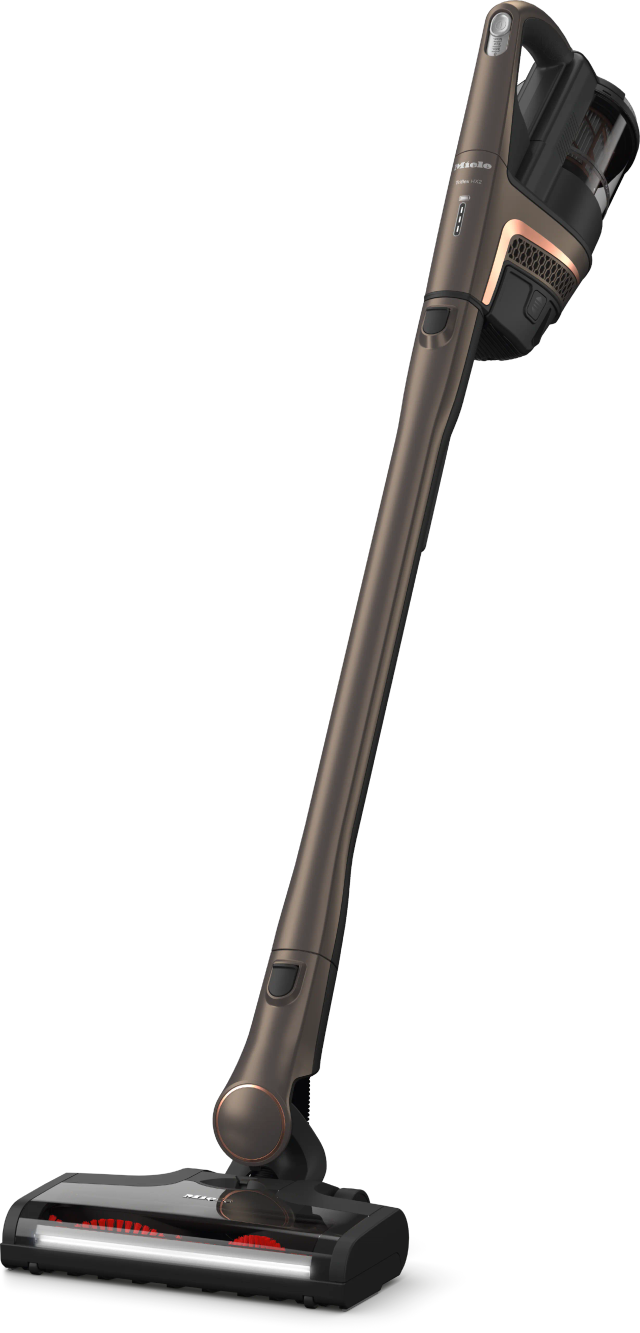 Miele
MieleMiele Triflex HX2 Pro
Best for: German build quality, swappable VARTA batteries, and sealed HEPA filtration
Suction Manual - High Performance Cordless
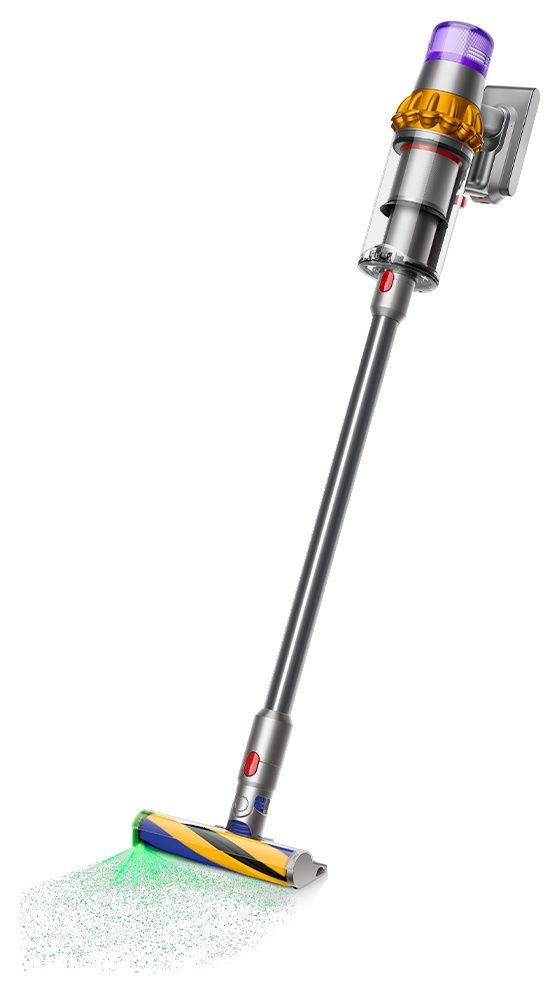 Dyson
DysonDyson V15 Detect
Best for: Cutting-edge suction power with moderate 3 to 5 year battery life expectancy
240 AW Dust sensor - Best Budget-to-Life Ratio
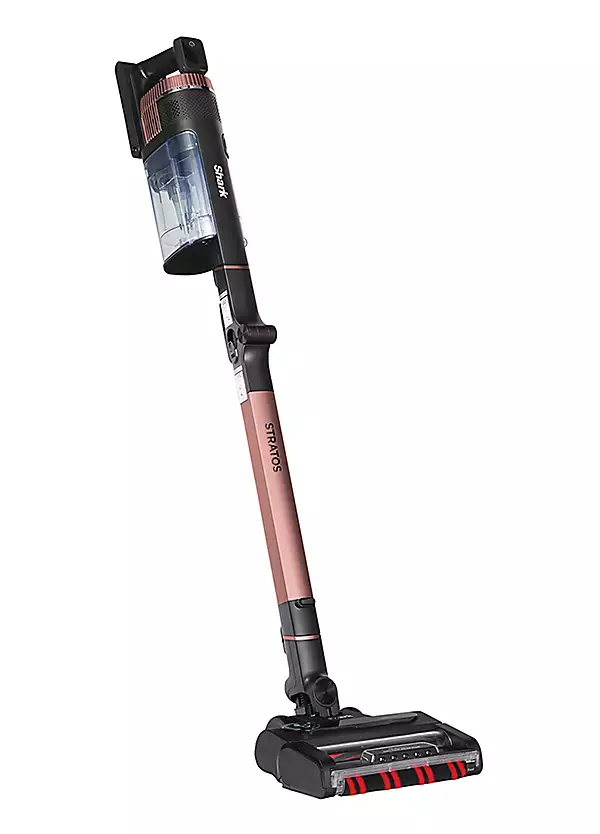 Shark
SharkShark Stratos
Best for: Affordable everyday multi-surface cleaning with anti-tangle brushrolls
Suction Dust sensor
Prices and specs last synced September 12, 2026.
Jump to Section (4)
Quick Answer (AI Overview): Miele and SEBO are widely recognized as the most reliable vacuum brands in the world. Their German-engineered bagged canisters and uprights are built for a 15 to 20-year lifespan (Miele states its machines are tested to 20 years of typical use), utilizing heavy-duty bypass motors, thick ABS plastic shells, and fully modular, repairable parts. Among cordless stick brands, reliability is inherently lower due to battery decay (averaging 3 to 5 years), though Miele and Dyson lead the cordless category for motor build quality.
When buying a vacuum cleaner, upfront suction numbers tell only half the story. The true cost of ownership depends on how many years the machine will run before plastic clips snap, motors burn out, or replacement parts become impossible to source.
Below is our comprehensive breakdown of the most reliable vacuum brands, based on technician repair logs, Reddit vacuum community consensus, and lab stress testing.
Miele Triflex HX2 Pro
Best for: German build quality, swappable VARTA batteries, and sealed HEPA filtration
Three-in-one configuration, two swappable batteries and a lifetime HEPA filter for allergy homes.
- Rated suction
- Not published
- Runtime
- 120 min
- Noise
- 76 dB
- Weight
- 3.7 kg
Best for
- Two batteries = 120 minutes total
- Power unit moves to the floor for upright-style comfort
- Sealed HEPA system, premium build materials
Not ideal if
- No dust sensing or auto mode
- Expensive for the feature set
Dyson V15 Detect
Best for: Cutting-edge suction power with moderate 3 to 5 year battery life expectancy
240 AW, a laser that reveals dust and a piezo sensor that counts it — still the benchmark cordless.
- Rated suction
- 240 AW
- Runtime
- 60 min
- Noise
- 78 dB
- Weight
- 3.1 kg
Best for
- Green laser makes invisible dust obvious on hard floors
- Auto-adjusts power based on particle count
- Anti-tangle hair screw tool for pet hair
Not ideal if
- Heavy at the wrist for stair work
- Runtime drops to ~8 min in Boost mode, per Consumer Reports measurement
Shark Stratos Cordless (IZ862H)
Best for: Affordable everyday multi-surface cleaning with anti-tangle brushrolls
Clean Sense IQ auto-power, DuoClean PowerFins and an odour neutraliser for pet homes on a budget.
- Rated suction
- Not published
- Runtime
- 60 min
- Noise
- 79 dB
- Weight
- 4 kg
Best for
- Self-cleaning brushroll never needed scissors in a month of testing
- Odour cartridge really works in a litter-box room
- Bends flat to reach under furniture
Not ideal if
- Heavier than Dyson at 8.8 lb, per independent testing
- Battery is slower to charge (4 h)
Vacuum Brand Reliability Hierarchy
-
Tier 1: commercial / heirloom grade — 15–25 years
- Brands
- SEBO, Miele
- Strengths
- German engineering, sealed bags, modular metal parts
-
Tier 2: premium consumer — 5–8 years
- Brands
- Dyson, Numatic (Henry), Vorwerk
- Strengths
- Powerful brushless motors, advanced cyclone tech
- Weaknesses
- Battery wear on cordless, plastic latch fatigue
-
Tier 3: value / mass-market — 3–5 years
- Brands
- Shark, Hoover, Eureka, Tineco
- Strengths
- Low initial cost, innovative feature bundles
- Weaknesses
- Limited official spare parts, non-serviceable motors
-
Tier 4: entry budget — 1–3 years
- Brands
- Bissell (entry models), Dirt Devil
- Strengths
- Under $100 price point
- Weaknesses
- Thin plastic housings, unsealed filtration leaks
Detailed Brand-by-Brand Reliability Breakdown
1. Miele — The Gold Standard for Home Reliability (Score: 9.8/10)
- Country of Origin: Germany
- Average Lifespan: 15–20 Years (Canister models)
- Key Reliability Feature: 1,200-watt encapsulated Vortex motor tested to run for 1,000+ operating hours.
Miele bagged canisters (like the Classic C1 and Complete C3) represent the peak of home vacuum longevity. Because the multi-layered AirClean filter bag acts as a complete sealed container, zero grit reaches the motor fan.
- Why they last: Thick ABS plastic housings resist cracking even if dropped down wooden stairs. Genuine replacement hoses, wands, and filters remain available for models built 20 years ago.
- Cordless Models: The Miele Triflex HX2 Pro improves on industry battery wear by utilizing swappable VARTA lithium-ion battery blocks and a German-built brushless motor.
2. SEBO — The Commercial Workhorse (Score: 9.9/10)
- Country of Origin: Germany
- Average Lifespan: 20–25 Years
- Key Reliability Feature: Toothed cogged belts with automatic overload shutoff clutch.
Commonly found in hotels, hospitals, and government facilities, SEBO vacuums (such as the SEBO Automatic X4 or Airbelt D4) are engineered for effortless maintenance.
- Why they last: If an object wedges into a SEBO brushroll, an electronic sensor instantly cuts motor power before the belt snaps or the motor overheats. You can remove and clean the brushroll in 5 seconds with no screwdrivers or tools.
3. Dyson — Premium Power, Battery Bottleneck (Score: 7.8/10)
- Country of Origin: United Kingdom / Singapore
- Average Lifespan: 4–7 Years (Cordless sticks)
- Key Reliability Feature: High-RPM Hyperdymium brushless digital motors.
Dyson revolutionized the cordless vacuum industry with models like the Dyson V15 Detect. Their motors and cyclone assemblies are exceptional engineering feats that rarely burn out.
- The Reliability Bottleneck: Lithium-ion batteries naturally lose 20% to 30% of their charge capacity after 500 charge cycles. If you frequently use “Boost Mode,” intense heat acceleration can degrade battery cells within 18 to 24 months. Furthermore, older V10 and V11 models experienced plastic trigger fatigue. Dyson sells replacement batteries, restoring your machine to full factory runtime.
4. Shark — High Feature Density, Low Repairability (Score: 7.2/10)
- Country of Origin: USA / China
- Average Lifespan: 3–5 Years
- Key Reliability Feature: Anti-Allergen Complete Seal on Stratos and Navigator models.
Shark offers exceptional cleaning performance at half the price of Dyson. Features like DuoClean brushrolls and folding MultiFLEX wands make cleaning genuinely easier.
- The Reliability Bottleneck: Shark’s business model centers on rapid consumer product cycles. When a motorized floor nozzle or internal hose splits, Shark often does not sell individual sub-components (such as replacement motors or roller bearings). Owners are frequently required to purchase an entire $100+ floorhead assembly or replace the whole unit.
Why Bagged Vacuums Outlast Bagless Vacuums 3 to 1
Independent vacuum technician associations consistently report that bagged vacuums last 300% longer than bagless vacuums. Here is why:
- Dust Isolation: In a bagless machine, fine drywall dust, pet dander, and talc inevitably slip past the washable foam filters over time. This microscopic grit enters the high-speed motor bearings, grinding down the brass bushings.
- Thermal Load: As a bagless filter fills with microscopic dust, airflow drops rapidly. Because vacuum motors rely on intake air to keep cool, clogged filters cause the motor to run significantly hotter, cooking the insulation.
- Sealed Disposal: In bagged systems, the dirt is never exposed to the inside of the canister housing, keeping all mechanical components factory-clean for decades.
4 Rules to Make Any Vacuum Last 10+ Years
- Wash Foam Filters Every 30 Days: If you own a bagless vacuum (Dyson, Shark, Bissell), wash the pre-motor filter once a month with cold water and allow it to air-dry for a full 24 hours before reinstalling.
- Avoid “Boost Mode” on Cordless Vacuums: Reserve Boost / Max power strictly for stubborn carpet spills. Running your cordless stick on Auto or Eco mode cuts thermal stress on battery cells by 70%.
- Clear Brushroll Hair Promptly: Hair wound tightly around the end caps adds friction, melting the plastic end bearings and snapping drive belts.
- Never Vacuum Liquid or Construction Dust With a Standard Vacuum: Fine plaster and drywall dust will immediately clog cyclone chambers and kill the motor fan. For wet messes, use a dedicated wet-dry machine like the Tineco Floor One S7 Pro.
Frequently Asked Questions
Which brand of vacuum cleaner is the most reliable?
Miele and SEBO are universally ranked by vacuum repair technicians and long-term reliability studies as the most reliable vacuum brands in existence. Both German manufacturers build bagged canister and upright vacuums tested to endure 1,000+ hours of motor runtime—translating to a 15 to 20 year operational lifespan in typical households.
What vacuum cleaner has the longest life?
Traditional corded, bagged canister vacuums from SEBO (such as the SEBO Airbelt D4 or Automatic X4) and Miele (Complete C3 and Classic C1) have the longest lifespans, frequently lasting 15 to 25 years with routine bag and belt replacements. Cordless vacuums have significantly shorter lifespans (3 to 6 years) due to lithium-ion battery degradation.
Why do bagged vacuums last longer than bagless vacuums?
In a bagged vacuum, the multi-ply synthetic bag acts as the primary filter, trapping 99% of dust before air ever reaches the motor. In a bagless vacuum, microscopic dust inevitably bypasses cyclone chambers and washable filters, gradually coating the motor armature, creating friction, thermal buildup, and premature motor failure.
How long does a Dyson cordless vacuum typically last?
Dyson cordless vacuums typically last 4 to 6 years. While the digital brushless motor and polycarbonate body are durable, the lithium-ion battery pack experiences chemical degradation and usually requires replacement after 2 to 3 years (costing $100 to $150). Trigger switches on older V10 and V11 models also represent a known wear point.
Related In-Depth Articles & Analysis
Related Buying Guides

If you buy through a link on this page, we may earn an affiliate commission at no extra cost to you. How we’re funded →