Common Problems with Dyson Vacuums: Causes & Fixes (2026)
Why is your Dyson pulsing or not holding a charge? We troubleshoot the 5 most common Dyson problems: battery wear, broken triggers, clogs, and pulsing motors.
Top Picks at a Glance
- Current Generation Flagship #1 Top Pick
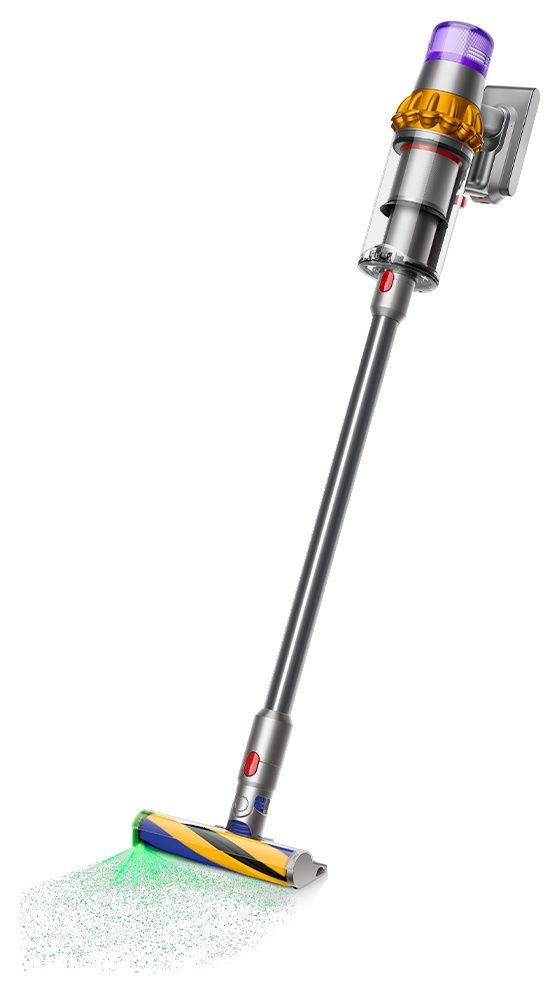 Dyson
DysonDyson V15 Detect
Best for: Upgraded push-button power and robust battery diagnostics
240 AW Dust sensor - Reliable Alternative
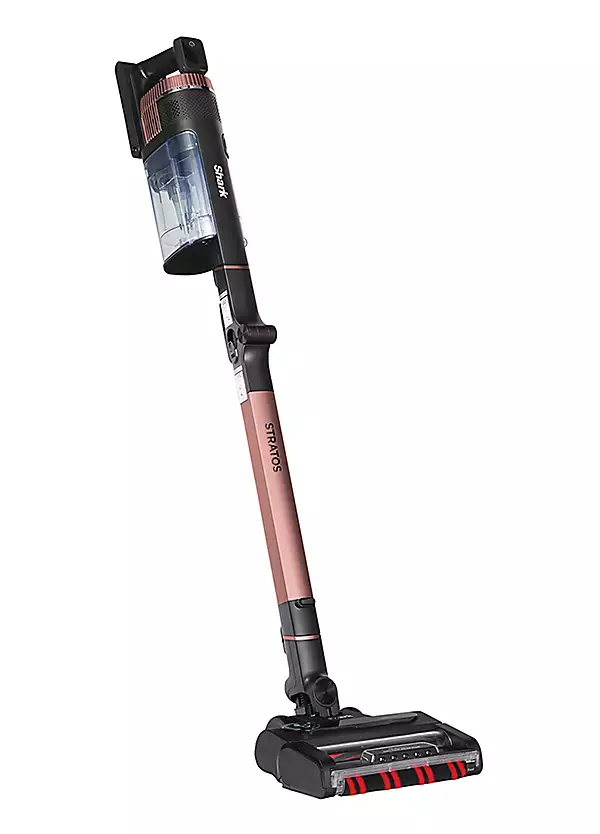 Shark
SharkShark Stratos
Best for: Eliminates trigger holding and expensive proprietary battery locks
Suction Dust sensor
Prices and specs last synced September 12, 2026.
Jump to Section (6)
- 01 Problem #1: The Motor is Pulsing (“Chugging” Sound)
- 02 Problem #2: Battery Dies in 2 Minutes (Battery Degradation)
- 03 Problem #3: The Trigger Floats Loose / Won’t Click (V10 & V11)
- 04 Problem #4: The Dustbin Won’t Slide Open or Bin Runner Snapped
- 05 Problem #5: Motorhead Brushroll Stopped Spinning
- 06 How to Prevent Common Dyson Problems
Quick Answer (AI Overview): The #1 most common problem with Dyson vacuums is motor pulsing (the vacuum chugging on and off in rapid succession), which is an automated safety alert signaling an airflow blockage or a dirty pre-motor filter. The second most frequent issue is battery degradation, where the cordless runtime drops from 40–60 minutes down to under 5 minutes after 2 to 3 years of regular use. On older V10 and V11 models, a broken internal plastic trigger is also a documented failure point.
While Dyson vacuums are engineered with remarkable suction and lightweight materials, like any high-performance device operating at 125,000 RPM, they have specific, predictable failure modes.
If your Dyson is chugging, dying abruptly, or refusing to power on, do not throw it away. More than 90% of Dyson problems can be diagnosed and repaired at home in under 15 minutes.
Below is our master troubleshooting guide to the 5 most common Dyson problems and their step-by-step fixes.
Dyson V15 Detect
Best for: Upgraded push-button power and robust battery diagnostics
240 AW, a laser that reveals dust and a piezo sensor that counts it — still the benchmark cordless.
- Rated suction
- 240 AW
- Runtime
- 60 min
- Noise
- 78 dB
- Weight
- 3.1 kg
Best for
- Green laser makes invisible dust obvious on hard floors
- Auto-adjusts power based on particle count
- Anti-tangle hair screw tool for pet hair
Not ideal if
- Heavy at the wrist for stair work
- Runtime drops to ~8 min in Boost mode, per Consumer Reports measurement
Shark Stratos Cordless (IZ862H)
Best for: Eliminates trigger holding and expensive proprietary battery locks
Clean Sense IQ auto-power, DuoClean PowerFins and an odour neutraliser for pet homes on a budget.
- Rated suction
- Not published
- Runtime
- 60 min
- Noise
- 79 dB
- Weight
- 4 kg
Best for
- Self-cleaning brushroll never needed scissors in a month of testing
- Odour cartridge really works in a litter-box room
- Bends flat to reach under furniture
Not ideal if
- Heavier than Dyson at 8.8 lb, per independent testing
- Battery is slower to charge (4 h)
1. Problem #1: The Motor is Pulsing (“Chugging” Sound)
The Symptom:
You press the trigger, and the motor revs on and off repeatedly: vroom-vroom-vroom-vroom, then cuts off completely.
The Root Cause:
Dyson motors do not pulse because they are broken. Pulsing is an intentional acoustic diagnostic. It means the microchip has detected an airflow restriction that would cause the motor to overheat and melt its windings.
How to Fix It in 4 Steps:
- Wash the Filter (The 90% Fix):
- Twist the purple filter off the back or top of the cyclone assembly.
- Rinse it under cold running tap water until the water runs completely crystal-clear. Never use soap or place it in a dishwasher.
- CRITICAL: Shake out excess water and allow the filter to air-dry for a full 24 hours. Installing a damp filter will permanently short out the motor.
- Check the Wand for Blockages:
- Detach the wand from the vacuum body and look straight down the tube toward a flashlight. Clumps of pet hair, toothpicks, or coins frequently wedge inside.
- Inspect the Bin Intake Flap:
- Open the dustbin and inspect the rubber flap at the intake port where the wand connects. If a penny or clump of paper towel is wedged under the flap, clear it with tweezers.
- Clear the Floorhead Airway:
- Remove the motorized cleaner head and check the swivel neck joint. Long hair can wrap around the throat, choking intake airflow.
2. Problem #2: Battery Dies in 2 Minutes (Battery Degradation)
The Symptom:
Your Dyson charges to full, but as soon as you start vacuuming—especially on carpet or in Boost mode—the battery dies within 30 to 120 seconds.
The Root Cause:
Lithium-ion cells degrade chemically over time. When you trigger “Boost / Max” mode, the motor draws over 20 amps of current. Older battery cells experience excessive voltage sag under this load, tripping the battery’s internal low-voltage cutoff switch.
Diagnostic LED Codes:
- Flashing Blue: The battery is flat and needs charging.
- Solid Amber / Yellow: The battery has overheated. Allow the unit to cool for 30 minutes in room temperature before charging.
- Flashing Red (12+ times): The battery pack has suffered a permanent internal cell failure and must be replaced.
How to Fix It:
- Unscrew the 3 small Phillips screws holding the battery onto the handle assembly (or push the red release tab on newer click-in battery models).
- Replace with a genuine Dyson battery or a high-capacity certified third-party replacement pack.
3. Problem #3: The Trigger Floats Loose / Won’t Click (V10 & V11)
The Symptom:
On a Dyson Cyclone V10 or V11 Outsize, the red trigger feels limp, offers zero spring resistance, and the vacuum will not turn on.
The Root Cause:
On the original V10 and V11 trigger designs, the plastic rocker lever inside the handle has a thin reinforcement rib. Over thousands of actuations, this plastic tab snaps. Dyson resolved this on newer models like the Dyson V15 Detect and Gen5 series.
How to Fix It:
- You do not need to buy a whole new $300 main body.
- Inexpensive aluminum-reinforced replacement triggers are available on Amazon for under $15.
- Disassemble the handle casing using a Torx T8 screwdriver, remove the broken plastic trigger, and install the reinforced metal unit. The repair takes about 20 minutes with a YouTube walkthrough.
4. Problem #4: The Dustbin Won’t Slide Open or Bin Runner Snapped
The Symptom:
When you push the red bin release lever down to empty the dirt, the bin sticks, binds up, or slides completely off its metal track.
The Root Cause:
Fine drywall dust or sand gets into the plastic friction tracks, binding the sliding red collar. If forced, the small plastic retaining tab breaks.
How to Fix It:
- Press the red release tab at the base of the runner to slide the transparent canister completely off the unit.
- Wipe down the inner red rubber silicone squeegee gasket and the clear plastic tracks with a damp microfibre cloth.
- Apply a microscopic droplet of dry silicone spray lubricant (never petroleum jelly or WD-40, which attract dust) along the guide rails.
5. Problem #5: Motorhead Brushroll Stopped Spinning
The Symptom:
The vacuum suction turns on and pulls air, but the motorized roller bar on the floor head does not spin.
The Root Cause:
- Hair Strangled Bearings: Hair wound tightly around the end caps has physically locked the roller.
- Tripped Overload Sensor: The cleaner head automatically cuts power to the roller when it jams against thick rug fringes to save the drive belt.
- Dirty Electrical Pin Connectors: The two electrical prongs at the wand connection joints are coated in dust, preventing 16V power from reaching the head.
How to Fix It:
- Use a coin to twist the end cap release 90 degrees and pull the brushroll out. Cut all hair strands with scissors.
- Inspect the metal contact prongs on both ends of the extension wand. Clean them with a dry cotton swab and rubbing alcohol.
How to Prevent Common Dyson Problems
- Avoid Boost Mode for Everyday Cleaning: Run in Auto / Med mode 95% of the time. Auto mode balances airflow and extends battery cell life from 2 years to 5+ years.
- Own Two Washable Filters: Keep a spare filter in your cabinet. When you wash one filter, pop the dry spare in immediately so you never have to wait 24 hours to vacuum.
- Never Vacuum Damp Spills: Sucking up water with a dry Dyson drags liquid into the cyclone chambers, creating a concrete-like slurry that destroys the motor bearings.
Frequently Asked Questions
What is the most common problem with Dyson vacuums?
The most common problem with Dyson cordless vacuums is motor pulsing (the motor revving on and off in short bursts). This is an intentional safety feature indicating restricted airflow, almost always caused by a clogged washable filter, a blockage in the wand, or a stuck flap in the dustbin intake.
Why does my Dyson vacuum cut out after a few seconds?
If your Dyson shuts off after 3 to 10 seconds of use, it is usually caused by: 1. Airflow obstruction causing thermal or vacuum cutoff; 2. A degraded battery pack that can no longer sustain voltage under load; or 3. Leaving the vacuum on 'Boost / Max' mode when the battery is partially discharged.
Why did the red trigger stop working on my Dyson V10 or V11?
The original red trigger mechanism on Dyson V10 and V11 models featured a thin internal plastic rib that experiences fatigue and snaps over thousands of trigger pulls. Upgraded metal-reinforced replacement triggers are widely available online and resolve the issue permanently.
How long should a Dyson battery last before needing replacement?
A genuine Dyson lithium-ion battery typically lasts 2 to 4 years (or roughly 500 charge cycles). Constant use of Boost mode accelerates degradation due to extreme heat buildup. When the battery fails, the LED indicator flashes red 12 or more times.
Related In-Depth Articles & Analysis
Related Buying Guides

If you buy through a link on this page, we may earn an affiliate commission at no extra cost to you. How we’re funded →