Best Vacuum for Tile Floors and Grout Lines (2026 Guide)
Dirt trapped in tile grout? Wet-dry floor washers, high-suction cordless sticks and robot mops compared for porcelain and ceramic tile floors.
Top Picks at a Glance
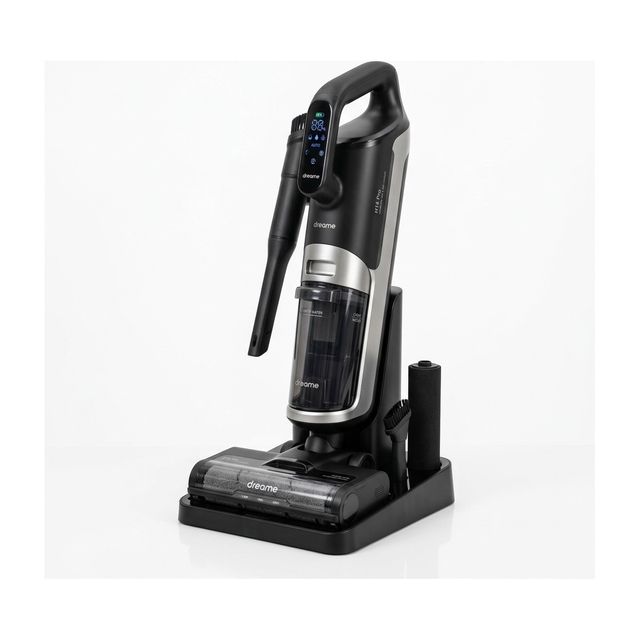
- 1 Best Overall for Tile & Grout Dreame H14 Pro
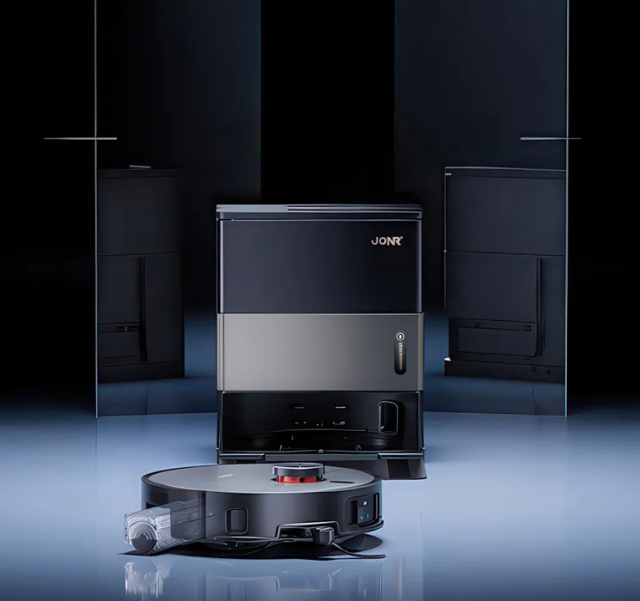
- 2 Best Robot for Tile JONR X9 Pro
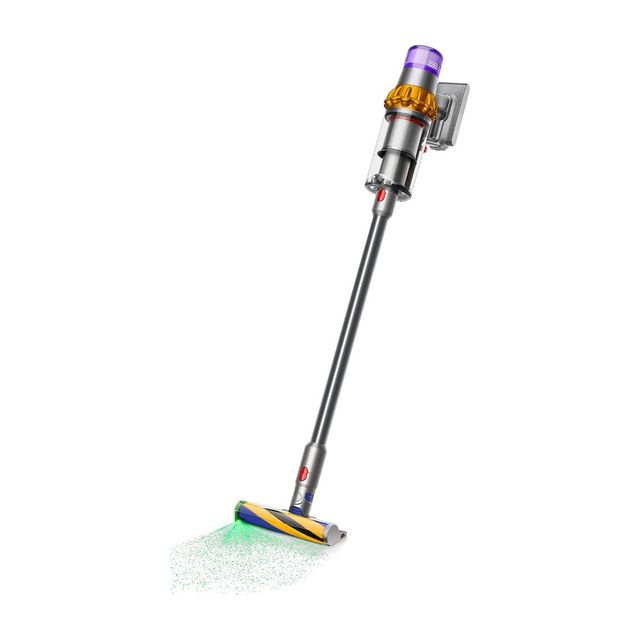
- 3 Best Dry Stick for Tile Dyson V15 Detect
Prices and specs last synced October 29, 2026.
Jump to Section (6)
- 01 Why Do Wet-Dry Vacuums Perform Best on Tile and Grout?
- 02 What Features Are Essential for Cleaning Tile Floors and Grout Lines?
- 03 How Do You Match a Tile Cleaner to Your Type of Tile?
- 04 What Does a Weekly Tile Routine Look Like in a Typical Home?
- 05 What Are the Common Mistakes When Cleaning Tile and Grout?
- 06 What Is the Final Buying Verdict for Tile Flooring?
Quick Answer (AI Overview): The best vacuum for tile floors is a motorized wet-dry vacuum cleaner that scrubs textured surfaces while extracting dirty water out of recessed grout lines. The Dreame H14 Pro is our top pick: its 18,000Pa suction pulls water and grit out of deep grout recesses, while its 60°C heated self-cleaning roller dissolves cooking grease. For daily autonomous tile maintenance, the JONR X9 Pro robot vacuum utilizes continuous fresh-water roller washing to prevent muddy mop water from drying in grout channels. For dry sweeping, the Dyson V15 Detect provides the high sealed suction needed for textured porcelain.
Ceramic, porcelain, and natural stone tile floors are durable and water-resistant, but they present a unique cleaning challenge: recessed grout lines and texture traps.
When you push a traditional dry vacuum or string mop across a tile floor:
- The Bridge Effect: The vacuum cleaner head rests on the high peaks of the tiles, bridging right over the lower grout channels where crumbs, pet dander, and dried liquids accumulate.
- The Dirty Grout Trap: Traditional wet mops push dirty mop water off the smooth tile face directly into the porous grout valleys, turning white or gray grout permanently discolored.
Below is our guide to the best vacuums and motorized floor washers engineered to scrub tile surfaces and extract deep grout dirt.
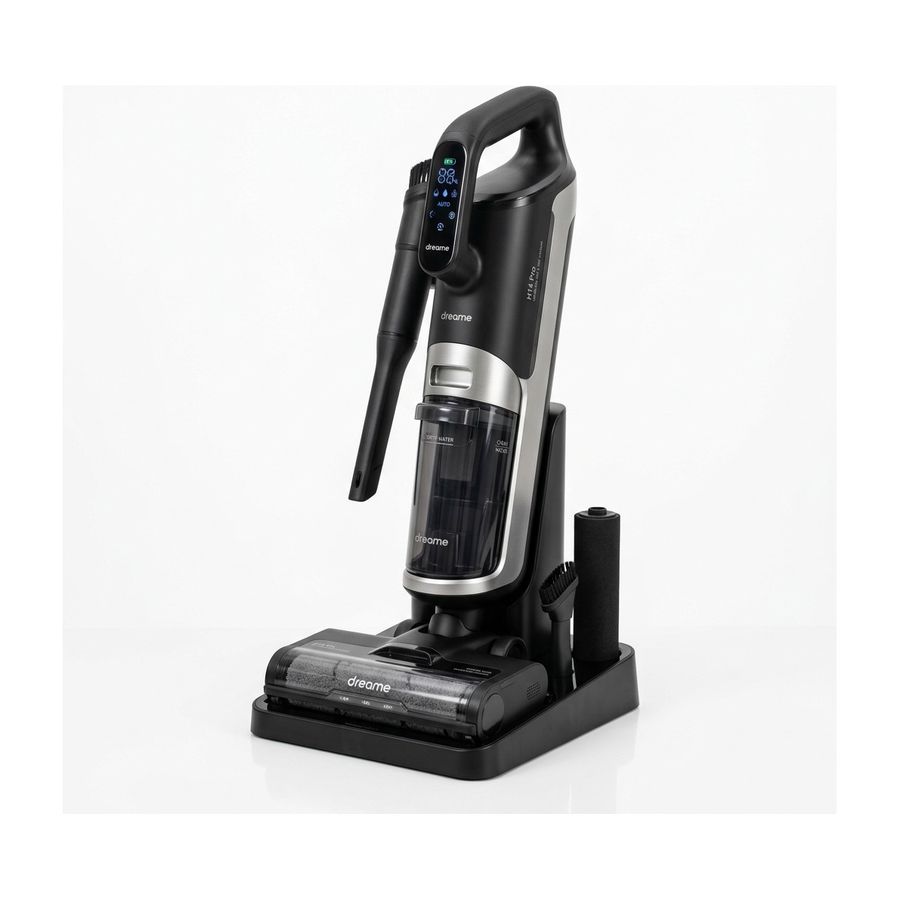
180° lie-flat liquid separation, 18,000Pa motor, 60°C hot-water roller wash, and 5-minute flash air drying.
- Runtime40 min (rated)
- Suction18,000 Pa
- Weight11.2 lb
- Noise72 dB
- Best for: 18,000Pa motor and 60°C hot-water roller that scrubs deep recessed grout lines
Scored from manufacturer specifications
Buy it if
- You have low-clearance sofas, beds, and tables that require combined wet-and-dry vacuum washing
- You want rapid 5-minute flash drying on the roller so the machine is ready whenever needed
Not ideal if
- You have wall-to-wall carpeting and need an all-surface dry upright vacuum
- You find a 5.1 kg machine too heavy to carry comfortably up multiple stair flights
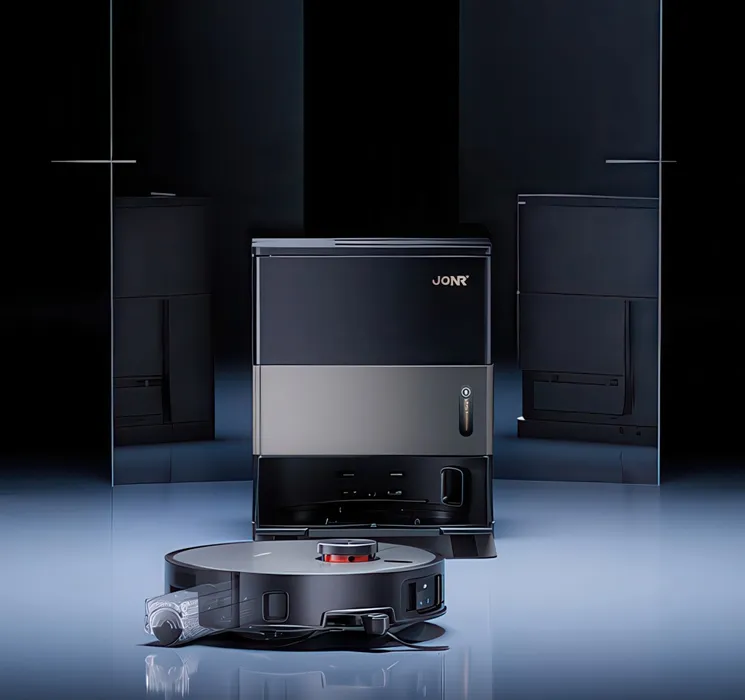
Continuous fresh-water roller washing, 20,000Pa suction and all-in-one 167°F hot-water washing dock.
- NavigationLiDAR
- Suction20,000 Pa
- DockAuto-Empty + 167°F (75°C) Hot Wash
- Noise63 dB
- Best for: Continuous fresh-water roller washing that breaks down kitchen tile grease
Scored from 1 independent measurement + spec sheet
Buy it if
- You want continuous fresh-water roller mopping instead of dragging a damp cloth pad across rooms
- You need a fully automated thermal dock that washes at 167°F (75°C) and hot-air dries to prevent odors
- You want flagship-tier automation, LiDAR navigation, and dual flex arms at the price JONR's official store listed on 2026-10-19
Not ideal if
- Your home has extensive high-pile carpet where dual-roller specialists like the Roborock S8 MaxV Ultra lead
- You have very low furniture with less than 4.33 inches of ground clearance
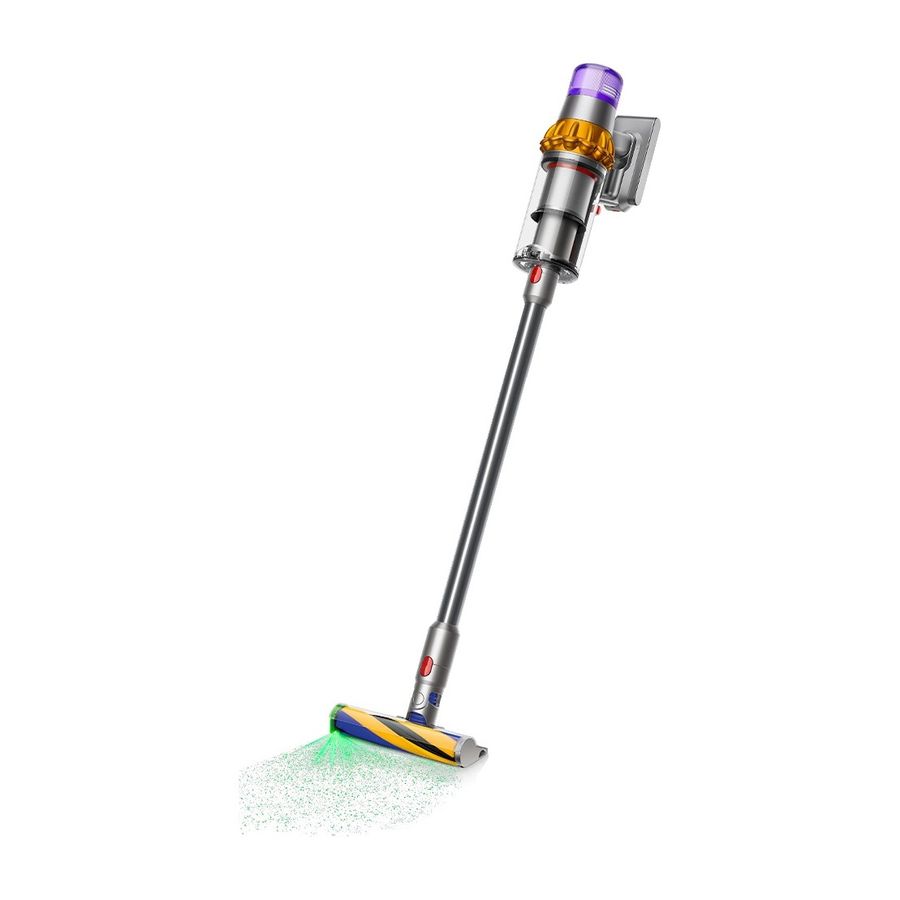
Dyson V15 Detect
240 AW, a laser that reveals dust and a piezo sensor that counts it — still the benchmark cordless.
- Runtime60 min (rated)
- Suction240 AW
- Weight6.8 lb
- Noise78 dB
- Best for: Fluffy Optic head with high crevice suction to extract grit from textured porcelain
Scored from 1 independent measurement + spec sheet
Buy it if
- You want green laser optic detection that reveals invisible dust and pet dander on hard floors
- You want intelligent suction modulation driven by acoustic piezo particle counts
- You want 240 Air Watts of maximum suction for deep carpet dander extraction
Not ideal if
- You need extended 20+ minute sessions exclusively in maximum Boost suction mode
- You experience wrist fatigue from top-heavy handle configurations during staircase cleaning
Why Do Wet-Dry Vacuums Perform Best on Tile and Grout?
Tile & Grout Extraction Mechanics
-
Traditional dry vacuum + string mop — flawed
- Dry vacuum rides high over recessed grout; misses deep crumbs
- Wet mop pushes dirty water INTO porous grout channels
- Result: Dingy, darkened, stained grout lines
-
Motorized Wet-dry Floor Washer (THE Modern Fix)
- Examples: Dreame H14 Pro, JONR X9 Pro
- Microfibre roller compresses 3mm down into recessed grout valleys
- Fresh water dissolves dried sauces and grease
- 18,000Pa vacuum immediately sucks dirty liquid into sealed tank
- Result: Pristine, dry tile and bright, stain-free grout
What Features Are Essential for Cleaning Tile Floors and Grout Lines?
- High Downward Roller Pressure: Recessed grout lines require flexible, plush microfiber rollers that physically compress into depressions rather than stiff bristle brushes that skim over them.
- Thermal Water Heating (60°C to 70°C): Kitchen tile floors collect fine cooking aerosol films. Cold water merely smears grease; hot-water wash cycles dissolve oils and leave tile squeaky clean.
- True Edge-to-Edge Cleaning: Both the Dreame H14 Pro and JONR S20 Pro feature zero-margin roller heads that reach right up against kitchen cabinet toe-kicks and refrigerator baseboards.
How Do You Match a Tile Cleaner to Your Type of Tile?
Not all tile behaves the same way. Check which of these you have before you choose a machine:
- Glazed ceramic and porcelain: The easiest surface. Any of the picks above suits it. Grease and grout are the only real problems, so prioritize a heated wash and a plush roller.
- Textured or matte porcelain: The fine surface texture holds dust like sandpaper holds chalk. A dry pass with strong suction first, then a wet-dry washer, gets both the grit and the film.
- Natural stone (slate, travertine, marble): Stone should be sealed before it is wet-washed, and it needs a pH-neutral cleaning solution. Check your stone supplier’s care guidance before using any detergent, and choose soft wheels.
- Wide or deep grout joints: Older floors and rustic tile have the deepest joints. This is where roller compression and suction matter most.
- Unsealed grout: Cement grout is porous. Sealing it once makes every later clean easier, whatever machine you use.
To identify your other floors as well, see what flooring do you have.
What Does a Weekly Tile Routine Look Like in a Typical Home?
Take a home with a tiled kitchen, two tiled bathrooms, and a tiled entry.
- Daily: A robot mop run, or a quick dry pass with a stick, lifts grit before shoes grind it into the grout.
- Weekly: One slow pass with the wet-dry washer. Work diagonally across the grout grid where you can, so the roller presses into joints running in both directions.
- Around the stove: Make two or three slow passes. Grease films need contact time with the water.
- Edges last: Run the head along cabinet toe-kicks and baseboards, where mop water used to collect.
- Straight after: Empty and rinse the dirty-water tank, then run the self-clean cycle.
Size the machine to the floor. Dreame rates the H14 Pro at 40 minutes of runtime with an 880 ml clean-water tank. JONR rates the lighter S20 Pro at 30 minutes with a 500 ml tank, which suits apartments and medium single-story homes and means a refill on larger floors.
What Are the Common Mistakes When Cleaning Tile and Grout?
- Using too much detergent: Extra solution does not clean better. It dries into a tacky film that grabs dirt and dulls the tile. Use the dose the maker specifies.
- Pouring bleach or vinegar into the tank: Harsh chemicals can damage seals and tanks, and acids etch natural stone. Stick to the solution the manual approves.
- Leaving dirty water in the tank: It sours quickly. Empty it after every run.
- Going back to a string mop for “deep cleans”: That reintroduces the dirty grout trap described above.
- Never sealing the grout: Unsealed grout absorbs every spill. Reseal on the schedule your grout maker recommends.
- Rushing: A wet-dry washer cleans at walking pace or slower. Fast passes leave water behind in the joints.
- Relying on a dry vacuum alone: It removes loose grit, not the film that discolors grout.
If you are comparing floor washers on budget, see the best wet-dry vacuums under $500.
What Is the Final Buying Verdict for Tile Flooring?
- Top Pick for Grout & Grease: The Dreame H14 Pro combines 18,000Pa suction, 180° lie-flat reach under kitchen islands, and 60°C hot-water roller washing to keep textured tile spotless.
- Best Hands-Off Robot Mop: The JONR X9 Pro autonomous robot continuously washes its roller with clean water while mopping, keeping dirty water from ever settling into grout joints.
- Best Dry Vacuum for Tile: The Dyson V15 Detect delivers unmatched crevice suction and green laser illumination that reveals salt crystals, cat litter, and fine dust on light tile surfaces.
Frequently Asked Questions
Can a regular dry vacuum clean dirt trapped in tile grout lines?
Standard dry vacuums frequently miss dirt in tile grout. Recessed grout lines sit 2 to 4 millimeters below the tile surface; wide vacuum nozzles glide across the tile crowns without forming an airtight seal over the grout valleys. To clean grout, you need a vacuum with high sealed suction, a narrow crevice nozzle, or a wet-dry floor washer with rotating microfibre rollers that compress into the recesses.
Why are wet-dry floor washers better for tile than traditional mops?
Traditional string or sponge mops push dirty wastewater across the tile, where it settles into porous grout lines, turning light grout brown and dingy over time. In contrast, wet-dry vacuums (like the Dreame H14 Pro) spray clean water, scrub with motorized rollers, and immediately suction the dirty liquid into an isolated wastewater tank.
Will vacuum wheels scratch glazed ceramic or slate tiles?
High-grade glazed ceramic and porcelain are hard and scratch-resistant, but natural slate, travertine, and marble can be scratched by hard plastic wheels with trapped grit. Look for vacuums with rubberized tread wheels or soft polyurethane casters.
How do you remove sticky kitchen grease from tile floors?
Use a wet-dry floor washer or robot mop with heated water. High-temperature water (58°C to 70°C, featured on machines like the JONR X9 Pro and Dreame H14 Pro) melts animal fats and vegetable cooking oils on contact, emulsifying grease so it extracts cleanly without slippery residues.
Related In-Depth Articles & Analysis
Related Buying Guides
If you buy through a link on this page, we may earn an affiliate commission at no extra cost to you. How we’re funded →